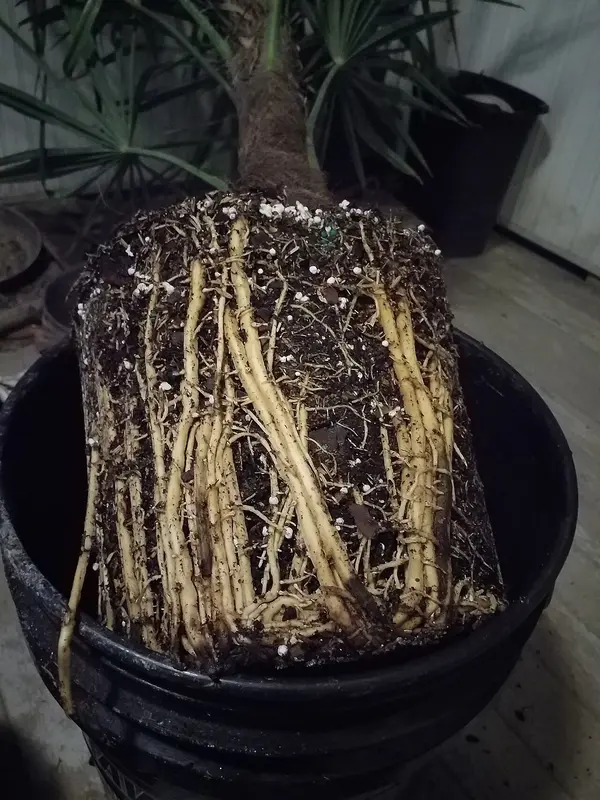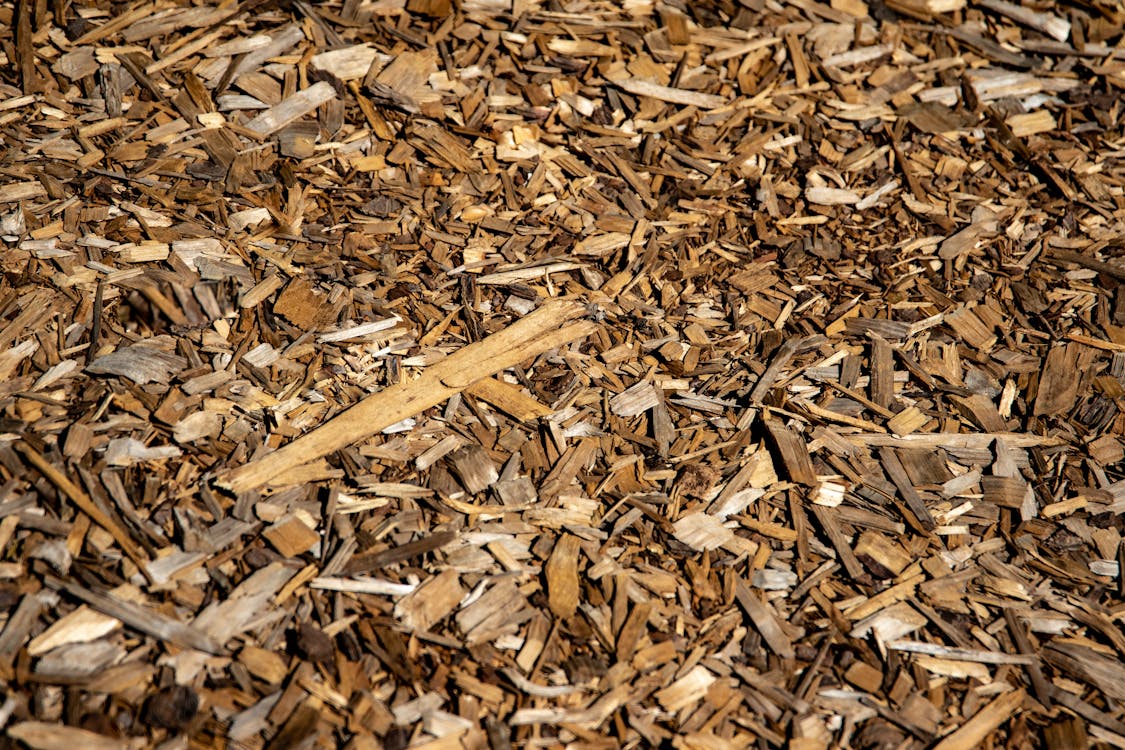
Mulching: The Cheapest Thing You Can Do for Your Trees
You've probably seen a mulch volcano and helped create one. Here's what that pile is doing to your tree, and how to mulch correctly for the soil under your feet.
Read more →⌘K to open · ↑↓ to navigate · Esc to close
In-depth plant profiles, disease identification, and pest management for Western Washington.
You've probably seen a mulch volcano and helped create one. Here's what that pile is doing to your tree, and how to mulch correctly for the soil under your feet.
Read more →
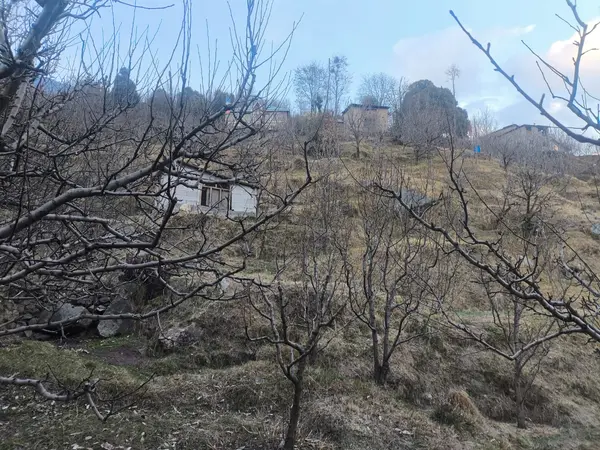
Copper fungicide is one of the few organic materials that works against both fungal and bacterial pathogens. Here is what it controls in the Puget Sound landscape, when to spray it, and the real constraints you need to respect.
Read more →
The most effective pest and disease treatments happen when your trees look dead. Here is what to spray, when to spray it, and why the timing window matters.
Read more →
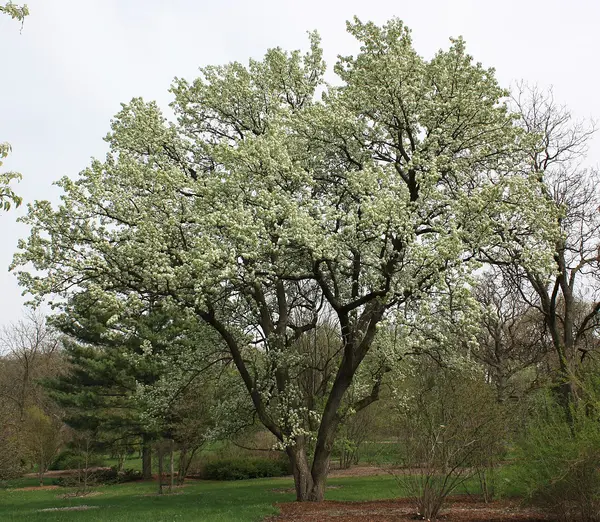
You already have one. That is the starting point for most conversations about Callery pear (Pyrus calleryana) in Western Washington. It sits in your front yard, lines your street, anchors the...
Read more →
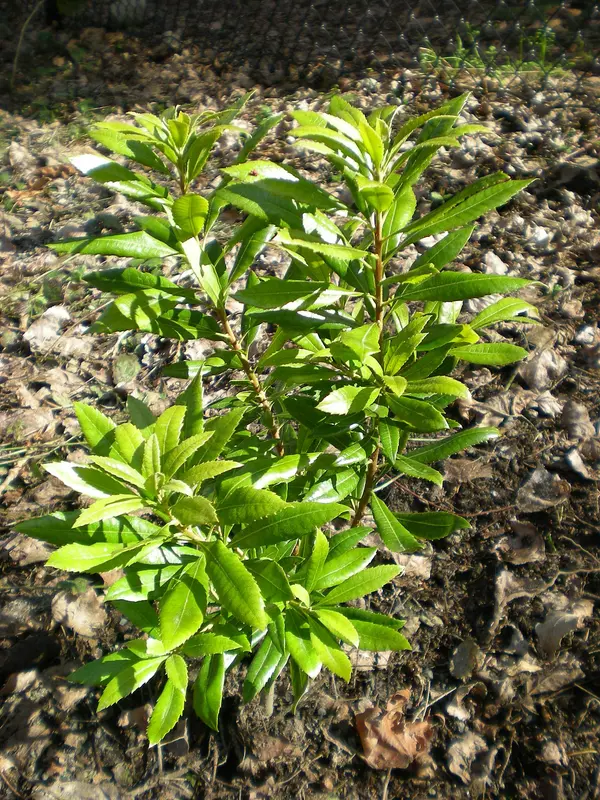
A native evergreen that screens, fixes nitrogen, and asks for almost nothing in return. Privacy, wind protection, and soil improvement in one fast-growing package.
Read more →
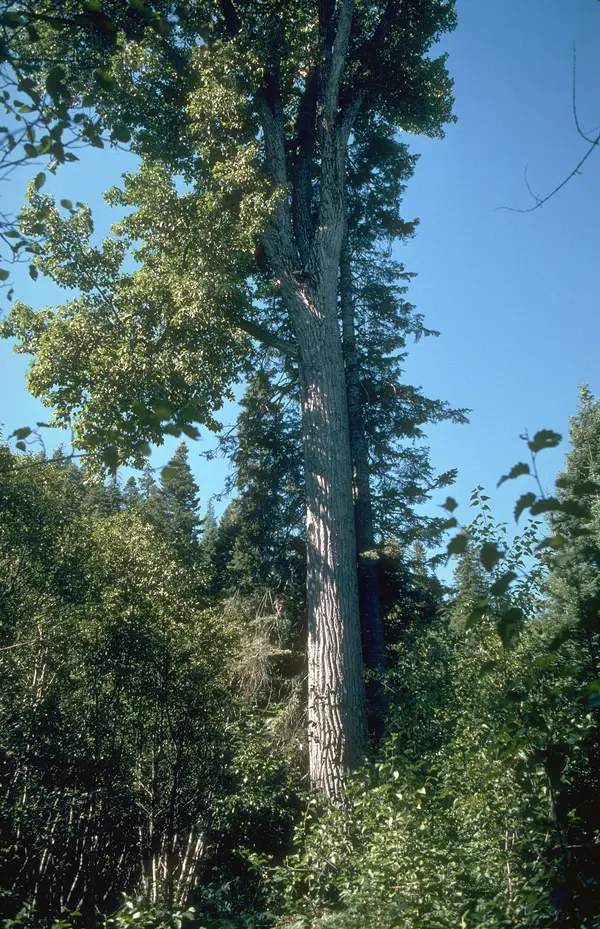
The tallest native hardwood in Western Washington, and why you need to understand it before you decide to keep or remove one.
Read more →
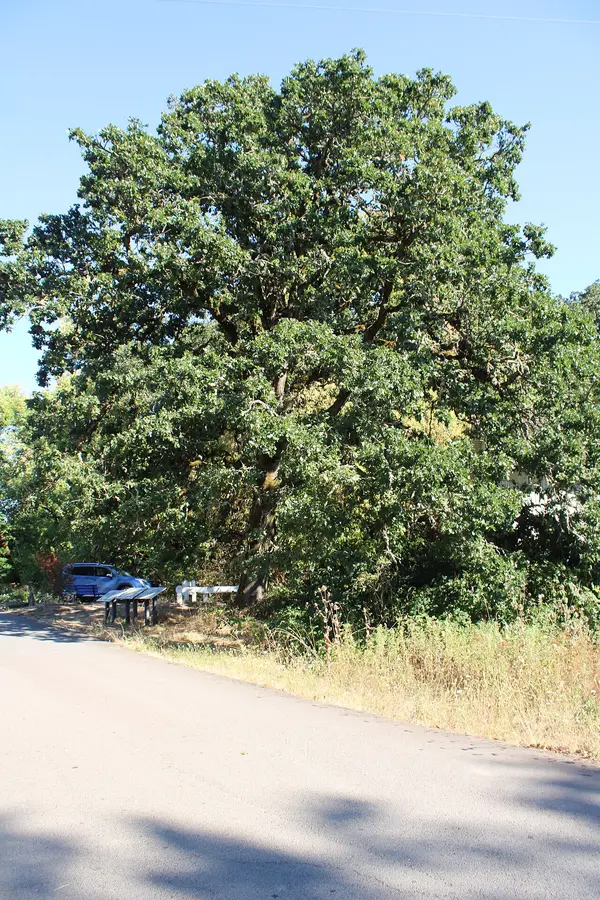
Washington's only native oak species carries the weight of an entire ecosystem. Learn how to recognize, protect, and restore Quercus garryana on your property and in your region.
Read more →
Why Western Washington's wet winters create perfect conditions for Phytophthora, and how to protect your landscape.
Read more →
Learn the difference between cosmetic leaf spot anthracnose and destructive dogwood canker disease. Regional strategy for the Pacific Northwest.
Read more →
Aphids are everywhere in our region's gardens. The best response is usually no response at all. Here is how to tell when that changes.
Read more →
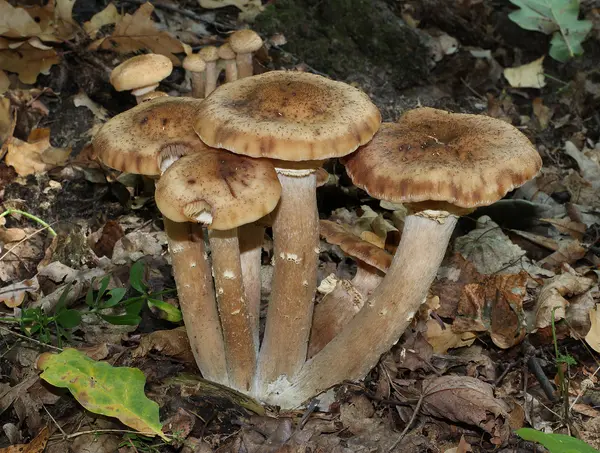
Armillaria root rot kills trees silently for years before symptoms appear. There is no cure. Learn what happens underground, why prevention is your only option, and how to protect your plantings.
Read more →
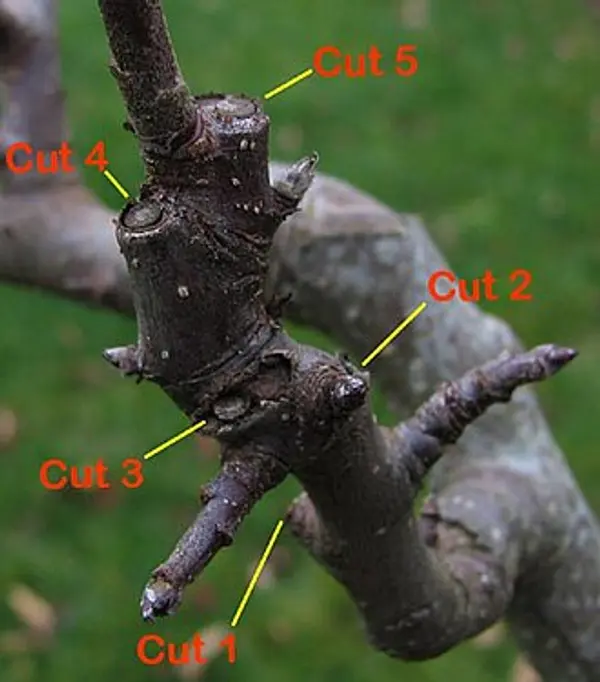
How to prune young trees for storm resistance, structural integrity, and decades of trouble-free growth in Western Washington.
Read more →
Walk through any Western Washington neighborhood in early spring, and you'll spot the evidence: trees that look like they've been given blunt haircuts, their canopies reduced to stumpy branches with...
Read more →
Two years ago, your contractor promised you the big Douglas-fir would be fine. The tree had shaded your house for forty years, and the remodel was necessary. You watched them work around it. No major...
Read more →
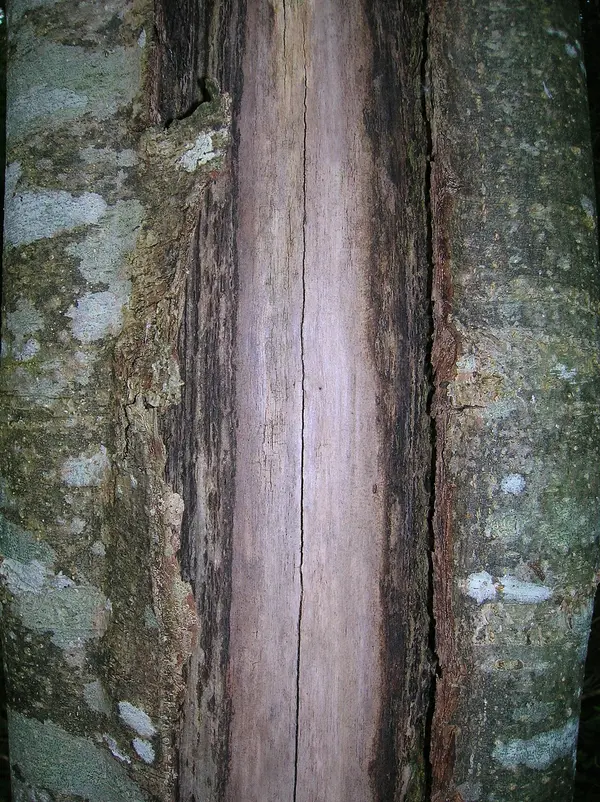
You step outside the morning after a cold snap in January and stop cold. A vertical crack runs down the trunk of your maple or cherry, splitting the bark from somewhere high up and descending several...
Read more →
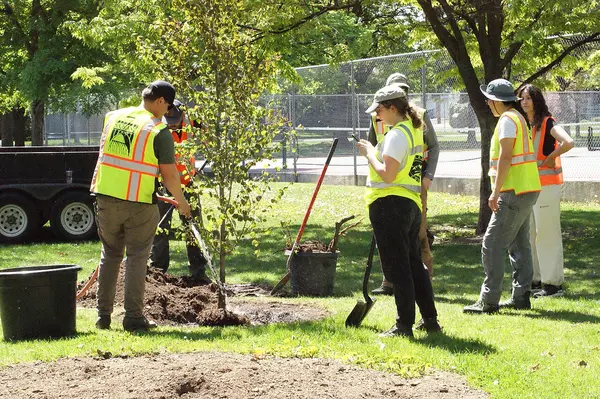
You walk into your local nursery in the Puget Sound region and find a 15-gallon Douglas-fir or Japanese maple. The tag reads "ready to plant." You load it into your truck, dig a hole in your yard,...
Read more →
You can eliminate most tree problems before you plant a single sapling. Match the tree to the site, and you won't spend the next twenty years fighting with dead branches, structural failure, or roots...
Read more →
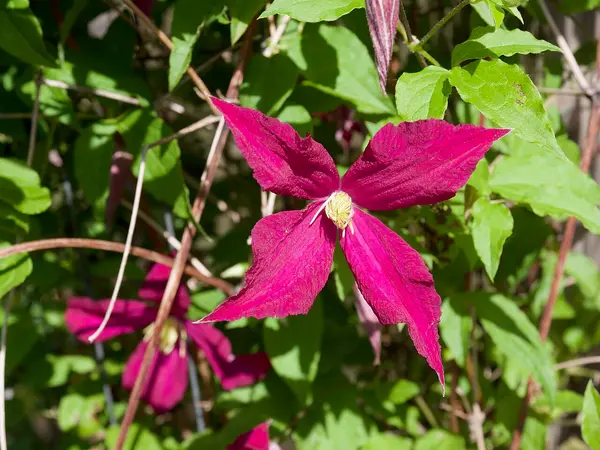
Clematis confusion starts the moment you bring one home. You've got a beautiful vine covered in flowers, and then someone tells you to prune it. Cut it back hard? Light prune? Wait until next year?...
Read more →
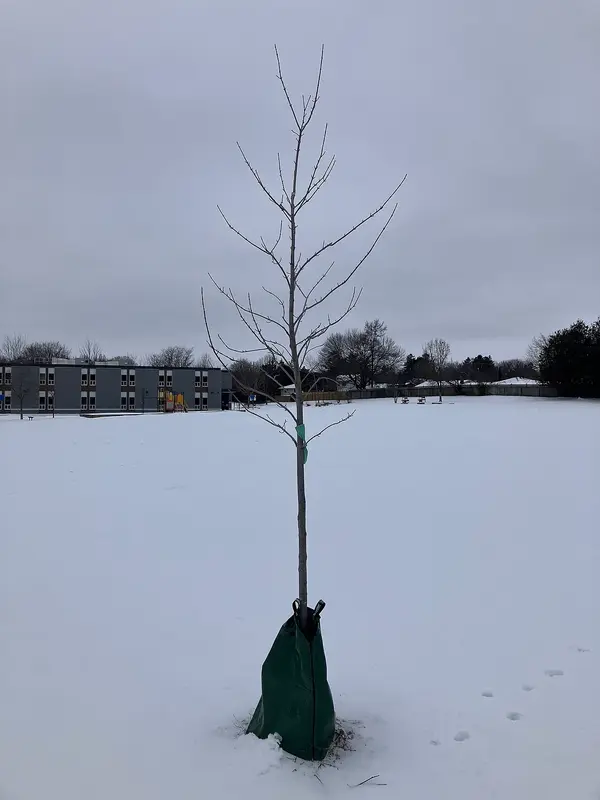
You plant a tree in October. The rain starts in November, and you think you're done. The soil stays wet through winter and spring. By June, you've forgotten about that tree entirely. Then July hits,...
Read more →
You've probably seen it: a perfectly good Japanese maple butchered into a sphere. No branches visible. No architecture. No grace. Just a dense green meatball. This is the #1 pruning mistake in...
Read more →
If you have ever wondered why your forsythia bloomed three weeks earlier than your neighbor's last year but only five days earlier this year, or why the extension service says to spray dormant oil...
Read more →
If you track four numbers through the year, you can predict when your fruit trees will break dormancy, when the soil is warm enough to plant, whether your season is running ahead or behind, and how much solar energy your landscape is actually receiving.
Read more →
Every fungal disease that hits your landscape needs the same thing you do: water. Understanding how water moves through your landscape, how much the atmosphere pulls back out, and when conditions favor the pathogens is the foundation of preventive plant health care.
Read more →