
June 3 Kent Area
Puget Sound Region
In-depth profiles, disease diagnostics, spray windows, and care schedules calibrated to this climate, this soil, and this growing season.
Featured Guide
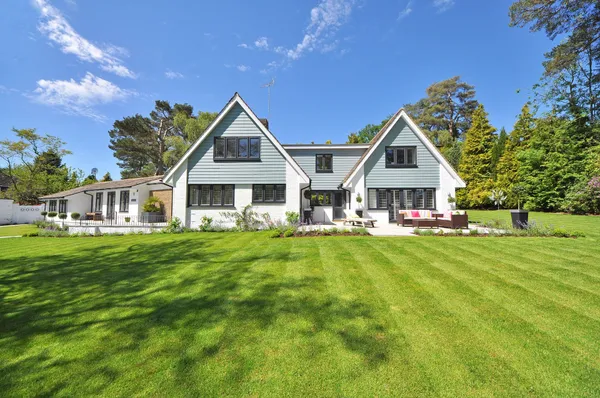
National summer lawn advice forces a binary: irrigate or go dormant. The Puget Sound lowlands offer a third path. Three strategies for getting your cool-season lawn through summer on clay soil.
What we're seeing right now across the Puget Sound region.


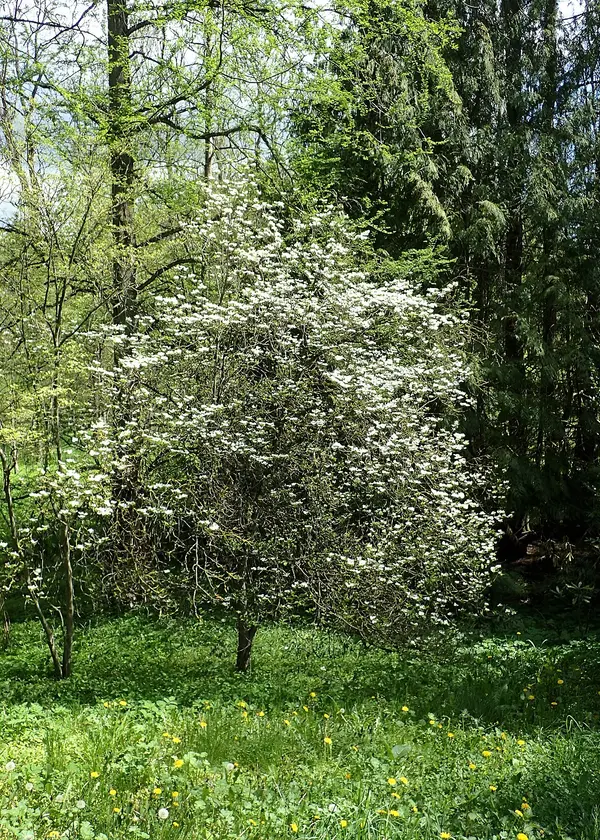
Why Pacific Dogwood is declining in the wild, why it can still thrive in cultivation, and how to choose between the native species and disease-resistant hybrids.
Read more →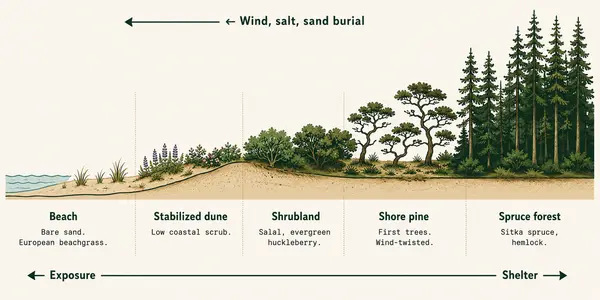
A coastal drive from the redwoods to Willapa Bay reveals how wind, salt, and fog shape plant communities, and why the invasive species you see on the Oregon coast are already in your Puget Sound neighborhood.
Read more →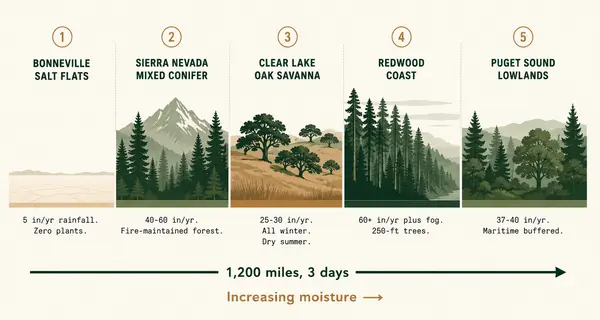
A 1,200-mile drive from the Bonneville Salt Flats to the redwood coast reveals how climate shapes plant communities, and how to read the same patterns in your Puget Sound garden.
Read more →Seasonal scouting notes, spray timing updates, and the regional detail that national guides leave out. Written for Western Washington gardeners and landscape professionals.
Seasonal scouting notes, timing updates, and the regional detail that national guides leave out. Delivered when it matters.
Species selection, siting, and care for this climate.
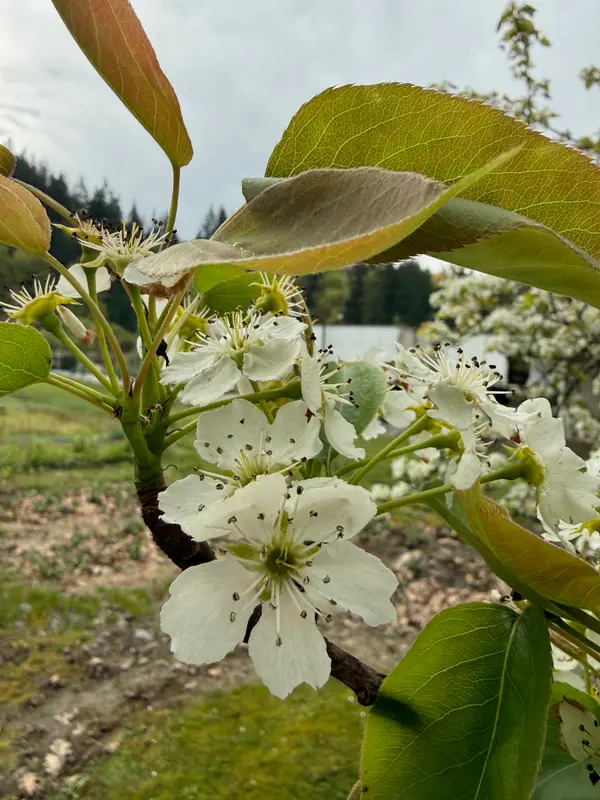


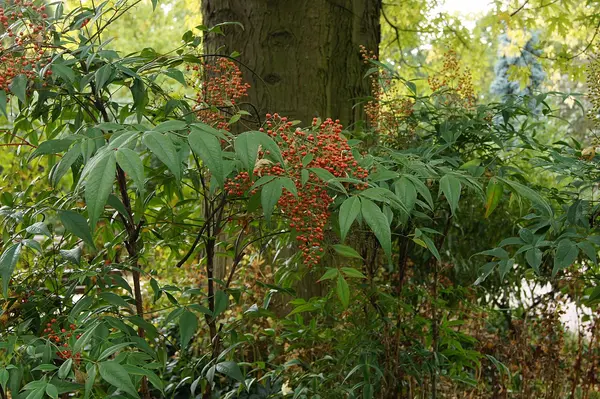
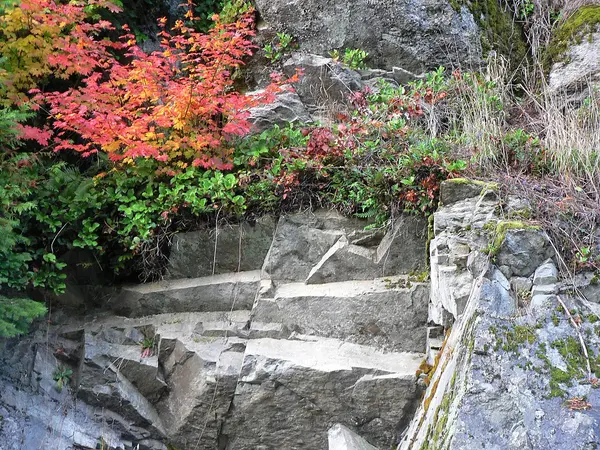
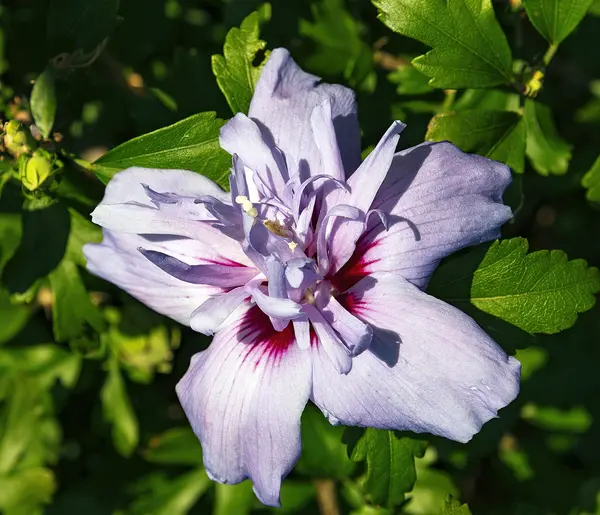
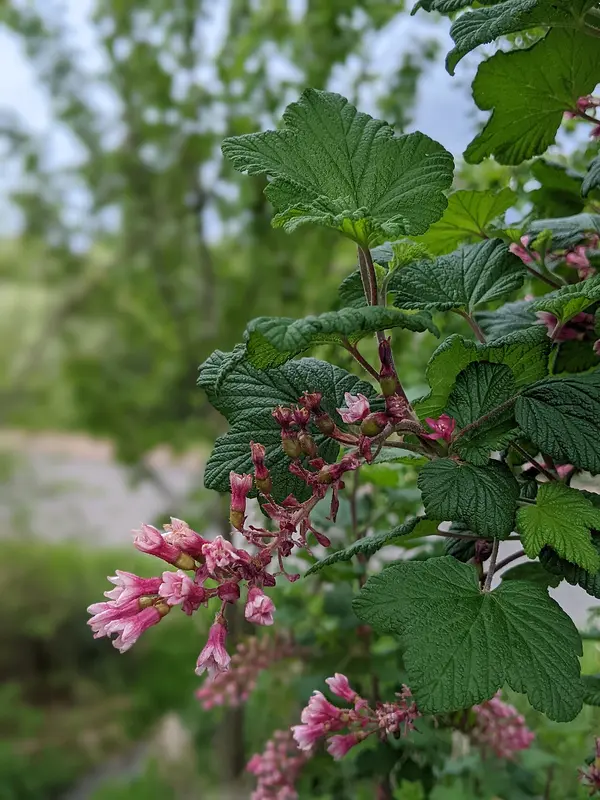
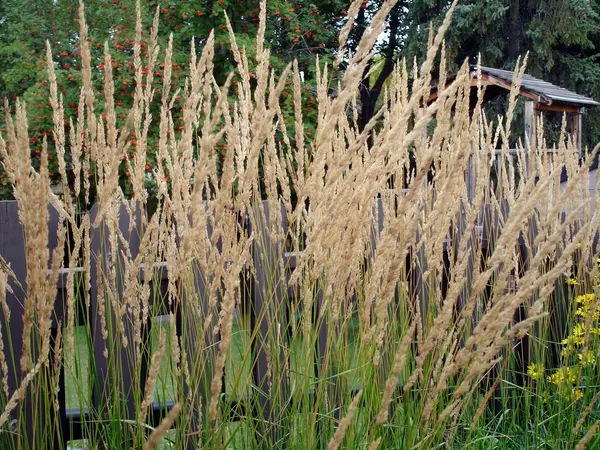
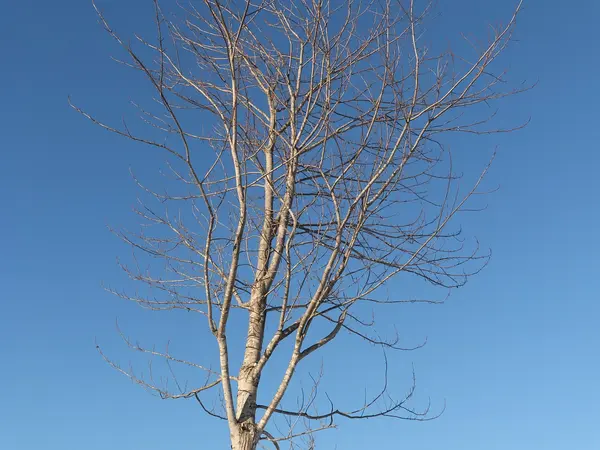

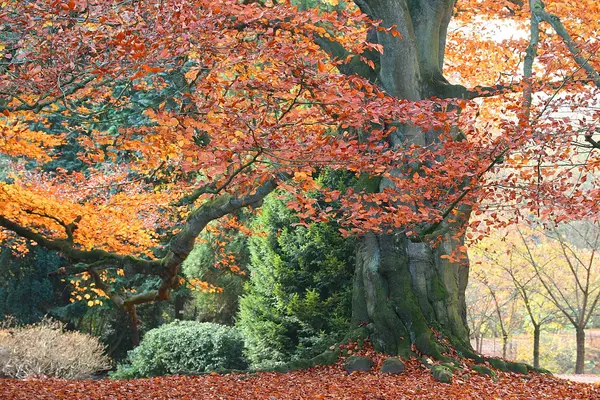
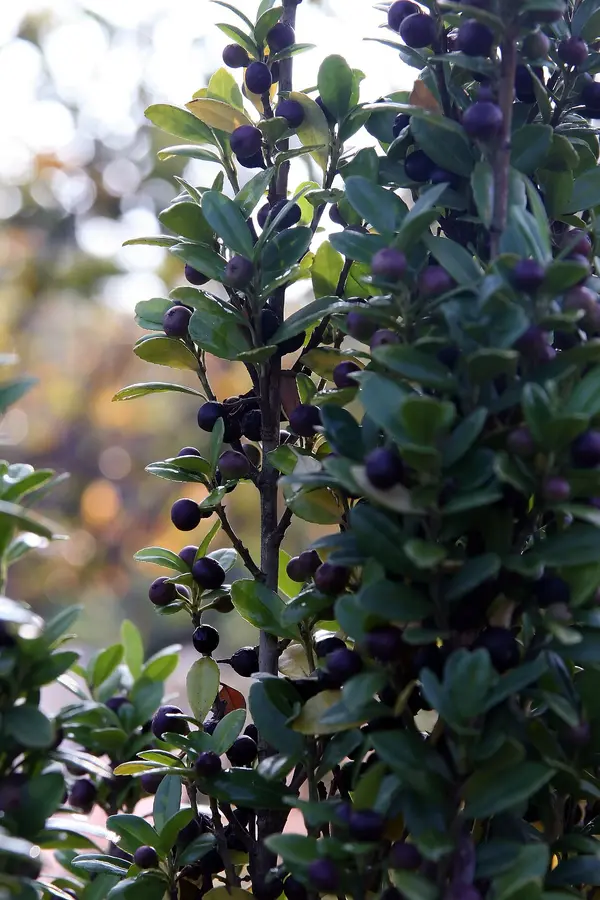



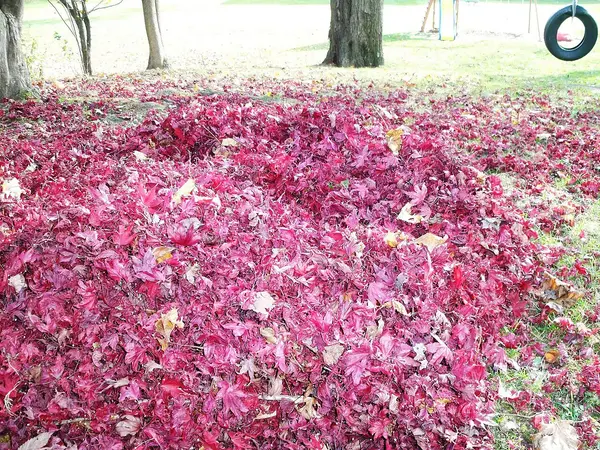
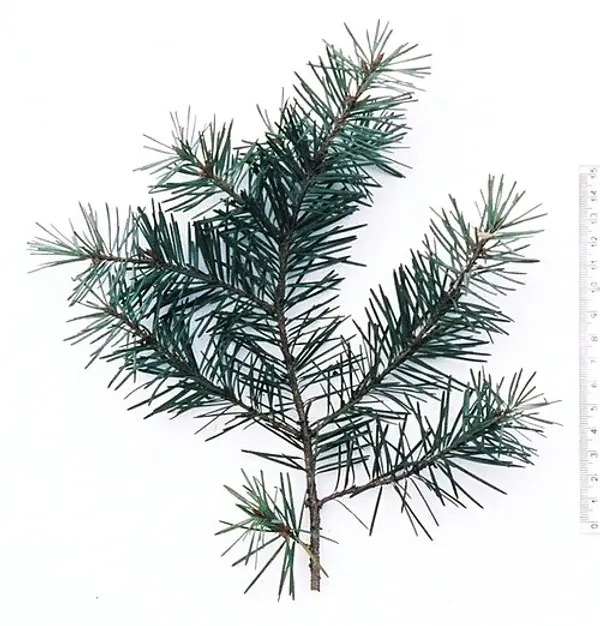
Identification, timing, and management grounded in regional extension data.
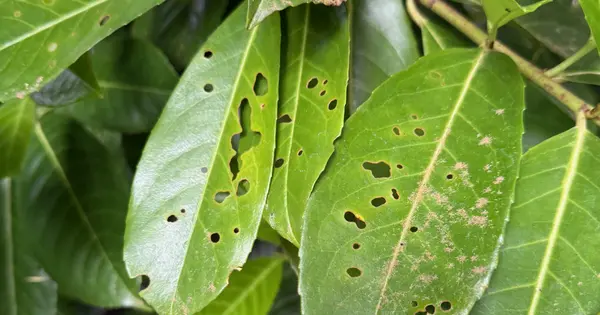
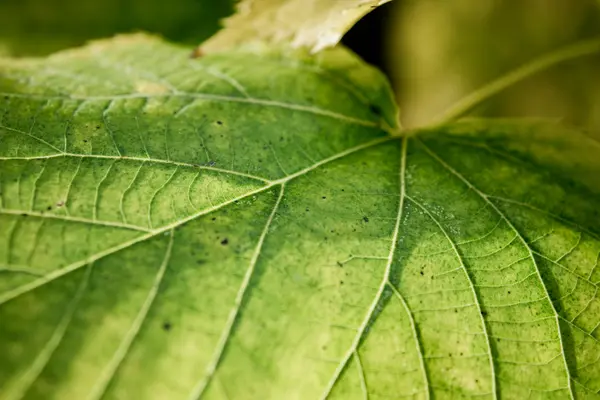
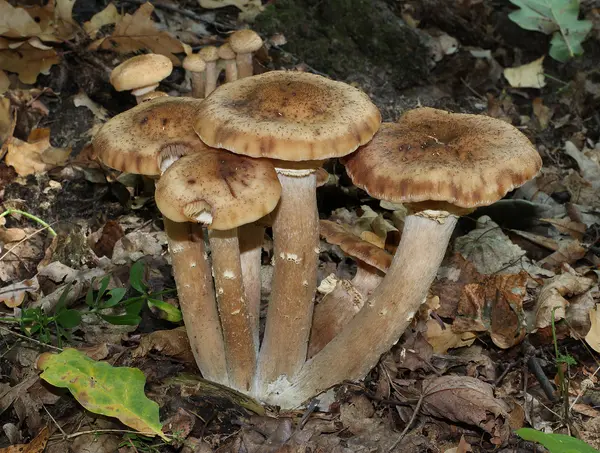
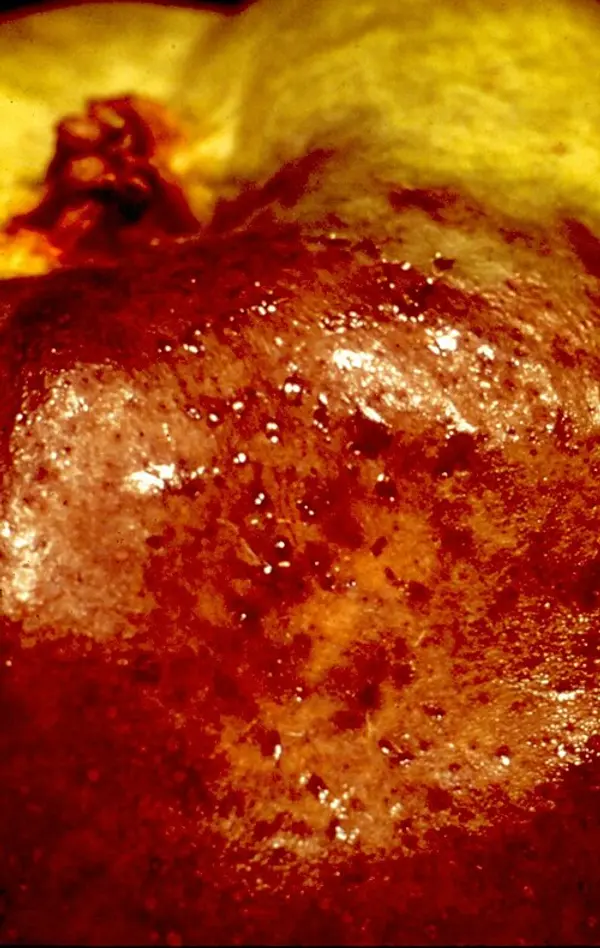

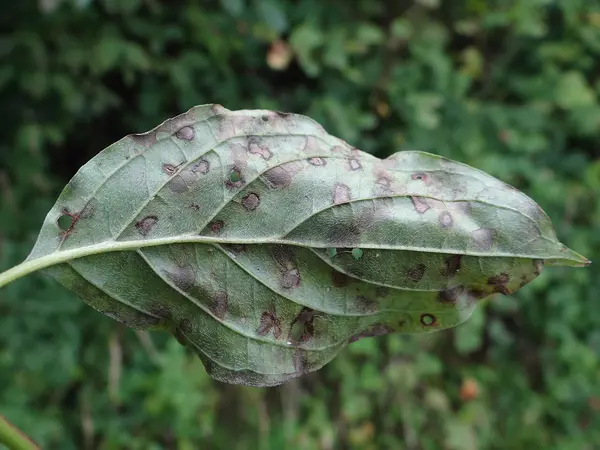
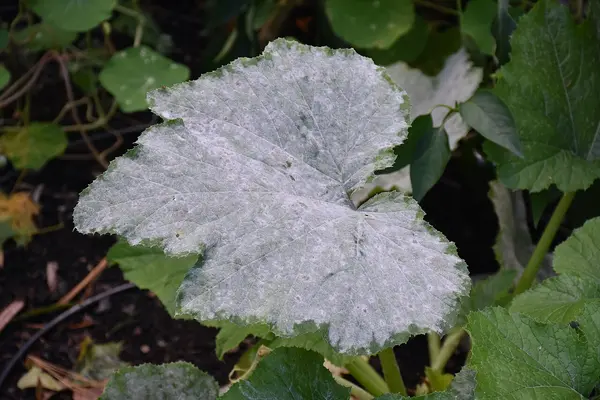
Scouting, thresholds, and IPM for the pests that actually matter here.
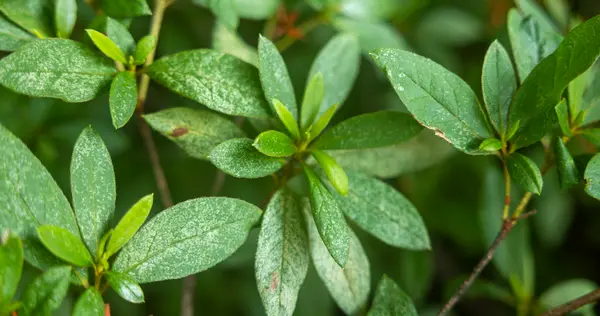
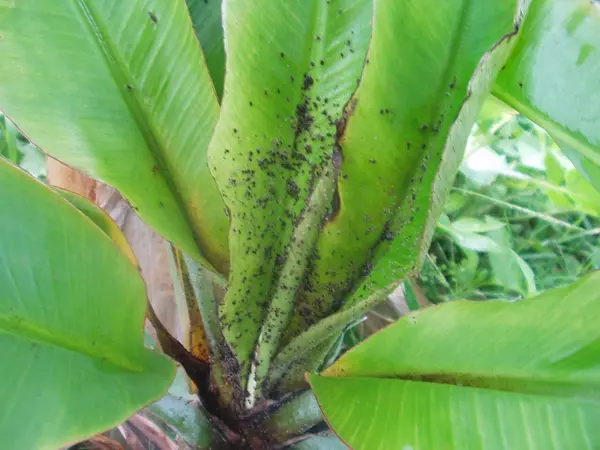
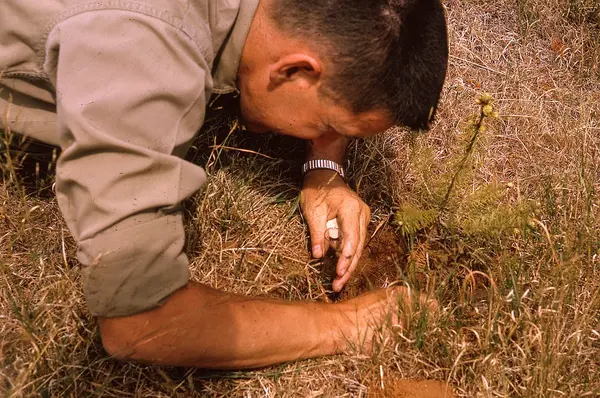
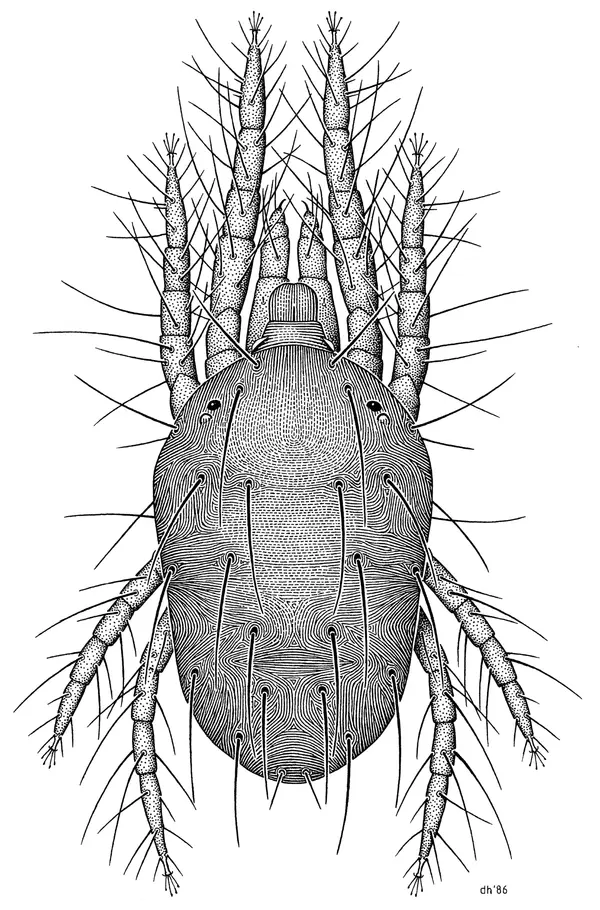
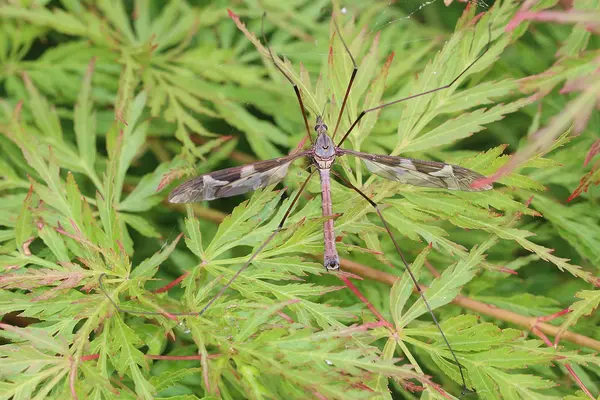
A growing dataset of plants, diseases, and pests tracked for this region. Profiles deepen continuously as site data, phenology, GDD timing, and cultivar performance are verified from extension research and field observation.
Written by Chris Welch. Every recommendation on this site comes from someone who works with these plants in this climate, not a content team repackaging national data.
About HortGuide →