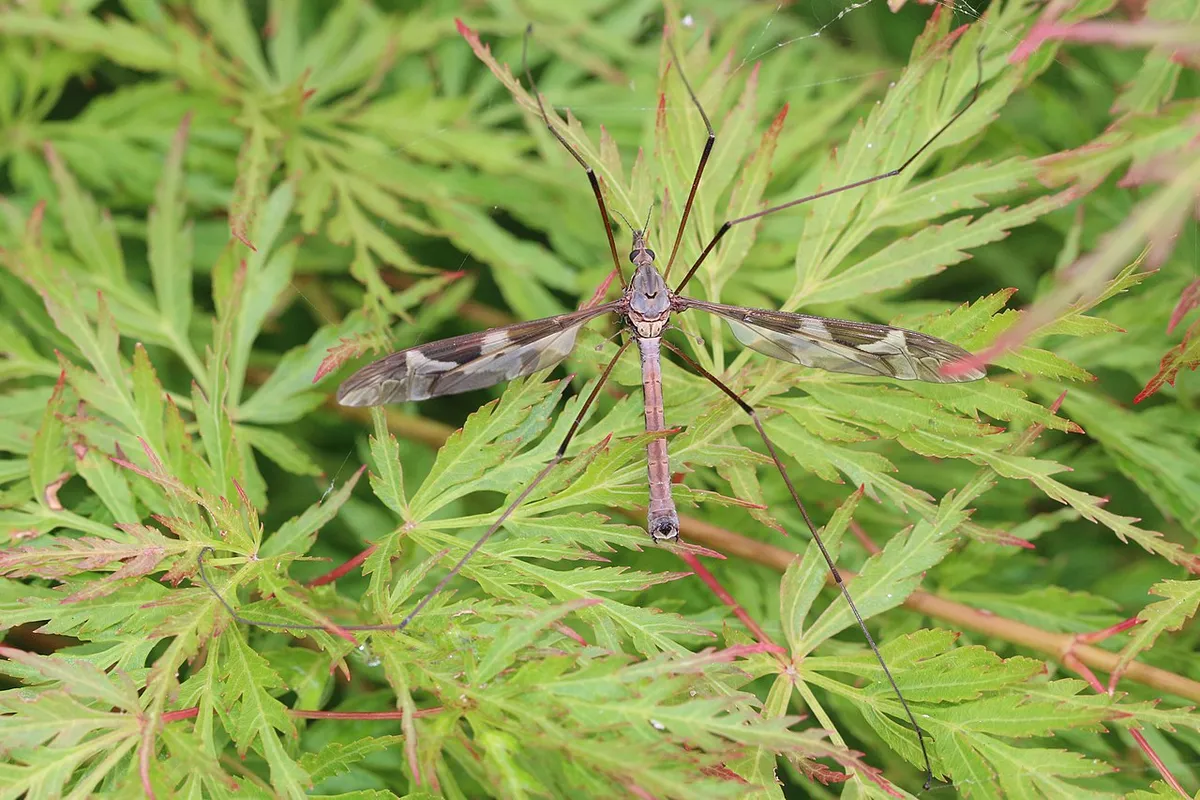
You’re looking at your lawn in late February and noticing irregular brown patches. The grass is thin, dead sections are expanding, and you’re starting to panic. Someone tells you it’s crane flies. Before you reach for chemicals or call in a professional, here’s what you actually need to know: crane flies exist in Western Washington, their larvae do feed on turf, but most lawn damage people attribute to them is caused by something else entirely.
What You’re Really Looking At
Those brown patches in your Puget Sound region lawn are probably not crane fly damage. Here’s why: The internet makes crane flies sound like a lawn apocalypse. The reality in Western Washington is much quieter. Yes, we have European crane flies (Tipula paludosa), and yes, their larvae can damage turf. But the vast majority of lawns showing symptoms in February and March are suffering from compaction, poor drainage, or shade stress instead. Crane fly larvae are definitely present in many local lawns, but they’re usually present well below the damage threshold. This distinction matters because it changes how you respond.
How to Identify Crane Flies
The adult crane fly looks like a giant mosquito. It’s spindly, has impossibly long legs, and measures about 1.5 inches from head to wing tip. The good news: it does not bite. The bad news: you almost never see the damaging stage. What causes the real problem is the larva, called a leatherjacket. It’s gray-brown, wrinkled, legless, and about 1.5 inches long when fully grown. The head is small and dark, and the posterior end is broad and flat.
To confirm you have crane fly larvae, not just assumptions, pull back the turf in the damaged area and dig down 2 to 3 inches. If you find more than 25 leatherjackets per square foot, you’re at the action threshold. If you find fewer, your lawn’s natural vigor will likely outgrow the damage.
European crane flies dominate the Western Washington pest population, though native species are also present. The difference matters less for management purposes; you treat them the same way.
The Crane Fly Life Cycle in Western Washington
Understanding timing is key to distinguishing real crane fly problems from false alarms.
European crane fly adults emerge in September and October in the Puget Sound region. They lay eggs directly in turf, preferring moist soil. The eggs hatch within two to three weeks, and the larvae begin feeding immediately on grass roots and crowns. Here’s the critical part: larvae feed throughout fall, winter, and early spring. Damage is most visible in February and March when the larvae are largest and have been feeding for months.
This region supports one generation per year. There is no spring generation. Larvae pupate in April and May, and by June, the adult emergence period is over for the season.
The timing explains why you see those brown patches in late winter. It also explains why many lawns recover naturally: if the turf is healthy enough to regrow once the larvae pupate, the damage disappears.
Damage and When to Actually Worry
Real crane fly damage looks like irregular brown patches. The turf thins, sections die back, and the lawn looks moth-eaten. When you pull back the dead grass, you’ll see short roots and possibly the leatherjackets themselves.
Here’s the key threshold: 25 or more larvae per square foot is the management action level. At that density, you have enough damage to justify intervention. Below that level, your turf can handle it. A thick, well-maintained lawn often recovers completely even with moderate larval populations present.
Most lawns in Western Washington with what people assume is crane fly damage actually have fewer than 25 larvae per square foot. The real culprits are compacted soil (which prevents root growth), poor drainage (which kills roots through lack of oxygen), or shade stress (which weakens the entire plant). Pull back the turf and count. That number changes everything.
How to Fix the Problem
Start with cultural management. This means the obvious: maintain thick, healthy turf through good mowing height (3 inches for most cool-season grasses), overseed bare spots in fall, and improve drainage if the soil stays soggy for days after rain. A thick stand of grass outcompetes whatever is trying to eat the roots. This approach works against most lawn pests and many diseases.
Biological control is the next step if larval counts genuinely exceed threshold. Beneficial nematodes, specifically Steinernema feltiae, parasitize leatherjackets. Apply them when soil temperature exceeds 42 degrees Fahrenheit. October or early March are the best windows in the Puget Sound region. The larvae must be present for the nematodes to work, so timing matters.
Chemical control is a last resort for home lawns. Chlorantraniliprole and other broad-spectrum insecticides are available, but they disrupt beneficial soil organisms and are rarely necessary. If you’ve confirmed more than 25 larvae per square foot, cultural and biological controls address the problem.
What They Actually Eat
European crane fly larvae primarily feed on the roots and crowns of perennial ryegrass and fine fescues, the grasses common in Western Washington lawns. They also will damage some vegetable seedlings, particularly lettuce and other leafy crops, though this is rarely a serious home garden issue in this region.
Your Seasonal Calendar
| Month | What’s Happening |
|---|---|
| September | Adult emergence begins; check turf for mating adults |
| October | Peak egg laying; adults disappear by month’s end |
| November-January | Larvae feed steadily; visible damage unlikely yet |
| February-March | Larvae reach full size; peak damage appears |
| April-May | Larvae pupate; damage stops expanding |
| June-August | No activity; recovery period |
The Bottom Line
Crane flies are real in the Puget Sound region, but they’re not the lawn emergency the internet suggests. Before you treat, dig and count. Most of the time, you’ll find a healthy lawn is already handling the problem. When counts do exceed threshold, simple cultural practices and beneficial nematodes work better than chemicals anyway. Fix the compaction, improve drainage, and overseed. Your lawn will recover.
Sources
Cranshaw, W., et al. (2015). Management of European Crane Fly. Colorado State University Extension.
Kabir, Z., et al. (2015). European Crane Fly: Integrated Management for Pacific Northwest Turf and Field Crops. Washington State University Extension.
Potter, D.A., & Held, D.W. (2002). Biology and Management of the Japanese Beetle. Annual Review of Entomology 47: 175-205.
Tashiro, H. (1987). Turfgrass Insects of the United States and Canada. Cornell University Press.