Guides

In-depth plant profiles, disease identification, and pest management for Western Washington.

Heat and Growth Metrics: Reading the Season Through Temperature
Concept

Heat and Growth Metrics: Reading the Season Through Temperature

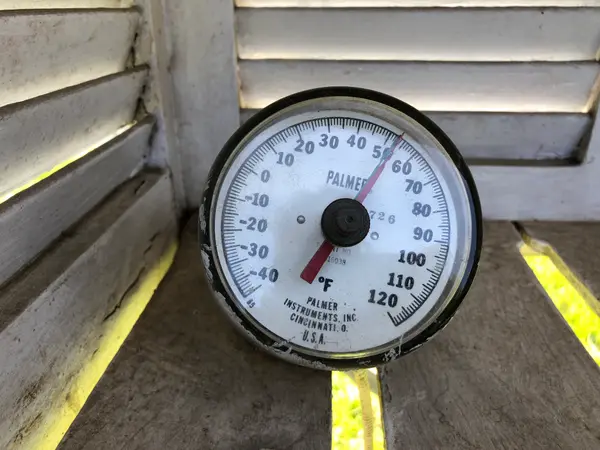
If you track four numbers through the year, you can predict when your fruit trees will break dormancy, when the soil is warm enough to plant, whether your season is running ahead or behind, and how much solar energy your landscape is actually receiving.

Read more →
Water and Disease Metrics: Moisture, Evaporation, and What Makes Plants Sick
Concept

Water and Disease Metrics: Moisture, Evaporation, and What Makes Plants Sick

Every fungal disease that hits your landscape needs the same thing you do: water. Understanding how water moves through your landscape, how much the atmosphere pulls back out, and when conditions favor the pathogens is the foundation of preventive plant health care.

Read more →
Callery Pear (Pyrus calleryana)
Plant Selection

Callery Pear (Pyrus calleryana)

You already have one. That is the starting point for most conversations about Callery pear (Pyrus calleryana) in Western Washington. It sits in your front yard, lines your street, anchors the...

Read more →
Construction Damage to Tree Roots: What You Cannot See Is What Kills the Tree
Site Assessment

Construction Damage to Tree Roots: What You Cannot See Is What Kills the Tree

Two years ago, your contractor promised you the big Douglas-fir would be fine. The tree had shaded your house for forty years, and the remodel was necessary. You watched them work around it. No major...

Read more →
Growing Degree Days: The Number That Tells You What Your Plants Are Actually Doing
Concept

Growing Degree Days: The Number That Tells You What Your Plants Are Actually Doing

If you have ever wondered why your forsythia bloomed three weeks earlier than your neighbor's last year but only five days earlier this year, or why the extension service says to spray dormant oil...

Read more →
Pacific Wax Myrtle (Morella californica)
Plant Selection

Pacific Wax Myrtle (Morella californica)

If you've driven along Washington highways or walked through coastal restoration sites in the Puget Sound region, you've likely seen Pacific Wax Myrtle. It's the dense, deep green shrub that screens...

Read more →
Black Cottonwood (Populus trichocarpa)
Plant Selection

Black Cottonwood (Populus trichocarpa)

The tallest native hardwood in Western Washington, and why you need to understand it before you decide to keep or remove one.

Read more →
Dormant Season Spraying: Your Winter Window for Pest and Disease Control
Plant Health Care

Dormant Season Spraying: Your Winter Window for Pest and Disease Control

The most effective pest and disease treatments happen when your trees look dead. Here is what to spray, when to spray it, and why the timing window matters.

Read more →
Oregon White Oak (Quercus garryana)
Plant Selection

Oregon White Oak (Quercus garryana)

Washington's only native oak species carries the weight of an entire ecosystem. Learn how to recognize, protect, and restore Quercus garryana on your property and in your region.

Read more →
Pacific Dogwood (Cornus nuttallii)
Plant Selection

Pacific Dogwood (Cornus nuttallii)

The native dogwood that lights up Western Washington forests in spring, and the anthracnose threat that changed everything.

Read more →
Pacific Madrone (Arbutus menziesii)
Plant Selection

Pacific Madrone (Arbutus menziesii)

The tree with copper-red peeling bark that clings to rocky Puget Sound bluffs. Learn why Pacific Madrone thrives in dry sites but struggles with transplanting, and how to grow it right.

Read more →
Phytophthora Root Rot: The Water Mold That Loves Your Soil
Pest & Disease

Phytophthora Root Rot: The Water Mold That Loves Your Soil

Why Western Washington's wet winters create perfect conditions for Phytophthora, and how to protect your landscape.

Read more →
Structural Pruning: The First Five Years That Define the Next Fifty
Arboriculture

Structural Pruning: The First Five Years That Define the Next Fifty

How to prune young trees for storm resistance, structural integrity, and decades of trouble-free growth in Western Washington.

Read more →
Western Hemlock (Tsuga heterophylla)
Plant Selection

Western Hemlock (Tsuga heterophylla)

Washington's state tree and the shade-tolerant climax species that defines old-growth forests in the Pacific Northwest.

Read more →
Western Redcedar (Thuja plicata)
Plant Selection

Western Redcedar (Thuja plicata)

The iconic tree of Pacific Northwest forests. Learn why Western Redcedar is the hedging standard in Western Washington, what it needs to thrive, and how to prevent the problems that plague it in our region.

Read more →
Western Serviceberry (Amelanchier alnifolia)
Plant Selection

Western Serviceberry (Amelanchier alnifolia)

The four-season native that flowers, fruits, and colors up while asking almost nothing in return.

Read more →
Anthracnose: Two Diseases, One Name
Pest & Disease

Anthracnose: Two Diseases, One Name

Learn the difference between cosmetic leaf spot anthracnose and destructive dogwood canker disease. Regional strategy for the Pacific Northwest.

Read more →
Aphids: Why Spraying Is Usually the Wrong First Move
Pest & Disease

Aphids: Why Spraying Is Usually the Wrong First Move

Aphids are everywhere in our region's gardens. The best response is usually no response at all. Here is how to tell when that changes.

Read more →
Armillaria Root Rot: Prevention in a Fungus-Loaded Landscape
Pest & Disease

Armillaria Root Rot: Prevention in a Fungus-Loaded Landscape

Armillaria root rot kills trees silently for years before symptoms appear. There is no cure. Learn what happens underground, why prevention is your only option, and how to protect your plantings.

Read more →
Catawba Rhododendron (Rhododendron catawbiense)
Plant Selection

Catawba Rhododendron (Rhododendron catawbiense)

Catawba rhododendron in the Puget Sound region: hardiness, shade performance, what kills them, and how to prevent root rot in maritime gardens.

Read more →
Cherry Laurel (Prunus laurocerasus)
Plant Selection

Cherry Laurel (Prunus laurocerasus)

The evergreen hedge everywhere in the Puget Sound region: what it tolerates, what threatens it, and the invasiveness problem nobody talks about.

Read more →
Eriophyid Mites: The Invisible Pest Behind Galls, Blisters, and Distorted Growth
Pest & Disease

Eriophyid Mites: The Invisible Pest Behind Galls, Blisters, and Distorted Growth

Those strange galls on your maple leaves and blistered pear foliage are caused by mites too small to see. Most of the time, the plant does not care. Here is what you need to know.

Read more →
Fire Blight vs. Pseudomonas: Diagnosing Spring Shoot Blight
Pest & Disease

Fire Blight vs. Pseudomonas: Diagnosing Spring Shoot Blight

Most spring shoot blight on pears and apples in the Pacific Northwest is Pseudomonas, not fire blight. Learn to distinguish the two and manage them correctly.

Read more →
Leafminers: The Pest You Can Almost Always Ignore
Pest & Disease

Leafminers: The Pest You Can Almost Always Ignore

Those winding trails and blotches inside your leaves look alarming. On most landscape plants, leafminers are cosmetic damage that requires no treatment. Here is how to tell the difference.

Read more →
Ponderosa Pine (Pinus ponderosa)
Plant Selection

Ponderosa Pine (Pinus ponderosa)

Ponderosa pine in maritime gardens: why this east-side native demands deliberate siting, disease management strategies, and what to expect in the Puget Sound region.

Read more →
Root Weevil: The Night Shift Pest in Every Western Washington Garden
Pest & Disease

Root Weevil: The Night Shift Pest in Every Western Washington Garden

Root weevils are the most common landscape pest in this region. The notched leaves are cosmetic. The larvae eating your roots are not. Here is what to do about both.

Read more →
Spider Mites: The Pest That Thrives When Your Plants Are Already Stressed
Pest & Disease

Spider Mites: The Pest That Thrives When Your Plants Are Already Stressed

Spider mites explode in hot, dry conditions. In this region, that means July and August are your risk window. Here is how to spot them early and what actually works.

Read more →
Strawberry Tree (Arbutus unedo)
Plant Selection

Strawberry Tree (Arbutus unedo)

Strawberry tree in the Puget Sound region: the Mediterranean evergreen that thrives in clay and drought. Why it outperforms our native Pacific madrone.

Read more →
Verticillium Wilt: The Soil Disease That Outlasts Everything
Pest & Disease

Verticillium Wilt: The Soil Disease That Outlasts Everything

Verticillium wilt lives in soil for decades and has no cure. In Western Washington, it dominates maple disease diagnoses. Learn to recognize it, manage around it, and choose plants that resist it.

Read more →
Gulf Stream Nandina (Nandina domestica 'Gulf Stream')
Plant Selection

Gulf Stream Nandina (Nandina domestica 'Gulf Stream')

You have seen this shrub a hundred times without registering it. It is the one in the foundation bed at the dentist's office, the one lining the entrance to the grocery store parking lot, the compact...

Read more →
Vine Maple (Acer circinatum)
Plant Selection

Vine Maple (Acer circinatum)

Vine maple in the Pacific Northwest: native shade tolerance, fall color potential, disease management, and how to preserve the layered form that makes it distinctive.

Read more →
Black Spot on Kelsey's Dogwood: Diagnose, Treat, Prevent
Pest & Disease

Black Spot on Kelsey's Dogwood: Diagnose, Treat, Prevent

Kelsey's dogwood is one of the most reliable native shrubs you can plant in Western Washington. This compact cultivar of red-osier dogwood thrives in rain gardens, mass plantings, and riparian...

Read more →
Rose of Sharon (Hibiscus syriacus)
Plant Selection

Rose of Sharon (Hibiscus syriacus)

When you're standing in your garden in late August and the spring bloomers have faded, the early perennials are looking tired, and the hydrangeas are reaching the end of their show, Rose of Sharon...

Read more →
Red-Flowering Currant 'King Edward VII' (Ribes sanguineum)
Plant Selection

Red-Flowering Currant 'King Edward VII' (Ribes sanguineum)

When you see the first crimson flower clusters hanging from bare branches in early March, you know spring is arriving in Western Washington. That's Ribes sanguineum, the red-flowering currant, and...

Read more →
Karl Foerster Feather Reed Grass (Calamagrostis x acutiflora 'Karl Foerster')
Plant Selection

Karl Foerster Feather Reed Grass (Calamagrostis x acutiflora 'Karl Foerster')

You've probably noticed Karl Foerster feather reed grass in every new development, streetscape project, and designer garden throughout Western Washington over the past two decades. The tall, columnar...

Read more →
Red Alder (Alnus rubra)
Plant Selection

Red Alder (Alnus rubra)

The nitrogen-fixing pioneer that rebuilds disturbed landscapes across Western Washington, and what it means for your property.

Read more →
Creeping Oregon Grape (Mahonia repens)
Plant Selection

Creeping Oregon Grape (Mahonia repens)

You've stood under your mature Douglas-fir and watched the lawn struggle. You've tried shade-tolerant grasses. You've mulched generously. You've accepted the bare patches. But there's a native...

Read more →
Pruning Clematis: The Three Groups and When to Cut
Cultural Practices

Pruning Clematis: The Three Groups and When to Cut

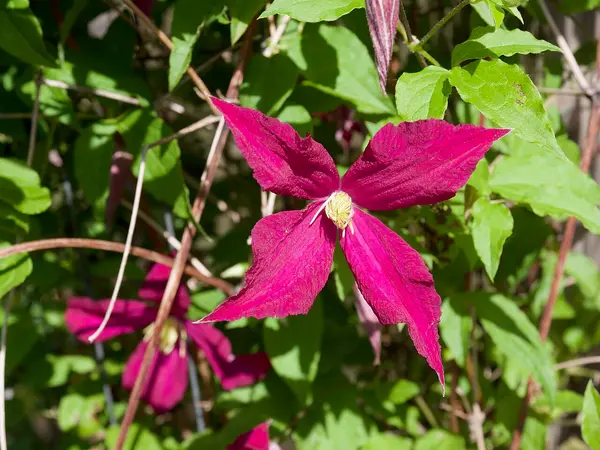
Clematis confusion starts the moment you bring one home. You've got a beautiful vine covered in flowers, and then someone tells you to prune it. Cut it back hard? Light prune? Wait until next year?...

Read more →
Red Obelisk Beech (Fagus sylvatica 'Red Obelisk')
Plant Selection

Red Obelisk Beech (Fagus sylvatica 'Red Obelisk')

When you drive through the older neighborhoods of Western Washington, you'll spot them immediately: those massive, fountain-shaped European beeches with trunks the size of car hoods and branch...

Read more →
Frost Cracks: Why Your Tree Split Open Overnight
Site Assessment

Frost Cracks: Why Your Tree Split Open Overnight

You step outside the morning after a cold snap in January and stop cold. A vertical crack runs down the trunk of your maple or cherry, splitting the bark from somewhere high up and descending several...

Read more →
Sky Pencil Holly (Ilex crenata 'Sky Pencil')
Plant Selection

Sky Pencil Holly (Ilex crenata 'Sky Pencil')

If you drive through any new residential development in Western Washington, you'll spot Sky Pencil Holly. It's become the go-to plant for narrow spaces, and for good reason: it grows 6 to 10 feet...

Read more →
Kinnikinnick (Arctostaphylos uva-ursi)
Plant Selection

Kinnikinnick (Arctostaphylos uva-ursi)

You have driven past this plant a hundred times without registering it. It is the low, glossy-leaved mat hugging the sandy shoulders along the I-90 corridor at Snoqualmie Pass, carpeting the bluffs...

Read more →
Circling Roots: What Happens When You Plant a Pot-Bound Tree
Site Assessment

Circling Roots: What Happens When You Plant a Pot-Bound Tree

You walk into your local nursery in the Puget Sound region and find a 15-gallon Douglas-fir or Japanese maple. The tag reads "ready to plant." You load it into your truck, dig a hole in your yard,...

Read more →
Cripps Golden Hinoki Cypress (Chamaecyparis obtusa 'Crippsii')
Plant Selection

Cripps Golden Hinoki Cypress (Chamaecyparis obtusa 'Crippsii')

If you're looking for a golden conifer that won't overwhelm your Western Washington garden, Cripps Golden Hinoki Cypress deserves your attention. This cultivar gives you the architectural presence of...

Read more →
Sitka Spruce (Picea sitchensis)
Plant Selection

Sitka Spruce (Picea sitchensis)

You know this tree. You've walked beneath them at Kalaloch and Ruby Beach, stood in the dripping shade of the Hoh Rainforest canopy where Sitka spruces stretch skyward like the columns of a...

Read more →
Dormant Oil Sprays: Timing, Products, and the Window You Cannot Miss
Pest & Disease

Dormant Oil Sprays: Timing, Products, and the Window You Cannot Miss

You're standing in your orchard in mid-March, watching your apple and pear trees prepare to leaf out. The buds are swelling, and you remember that dormant oil spray you meant to apply. You pick up...

Read more →
Silk Tree (Albizia julibrissin)
Plant Selection

Silk Tree (Albizia julibrissin)

If you have seen a tree with feathery, fern-like leaves topped with fluffy pink flower puffs blooming in midsummer, you have encountered a silk tree. This Asian native shows up in gardens, parking...

Read more →
Right Tree, Right Place
Site Assessment

Right Tree, Right Place

You can eliminate most tree problems before you plant a single sapling. Match the tree to the site, and you won't spend the next twenty years fighting with dead branches, structural failure, or roots...

Read more →
Invasive Plants in the Puget Sound Region: What to Watch For and What to Do
Pest & Disease

Invasive Plants in the Puget Sound Region: What to Watch For and What to Do

If you've noticed your landscape getting harder to manage or watched a single plant gradually take over a section of your yard, you've likely encountered an invasive species. In Western Washington,...

Read more →
Bigleaf Maple (Acer macrophyllum)
Plant Selection

Bigleaf Maple (Acer macrophyllum)

The moss-covered canopy giant of Western Washington forests. Massive leaves, fast growth, and a growing decline you need to understand before planting.

Read more →
Bitter Cherry (Prunus emarginata)
Plant Selection

Bitter Cherry (Prunus emarginata)

If you've driven past a clearcut or logged forest in Western Washington, you've seen bitter cherry. The distinctive reddish-brown trunks with horizontal striping appear almost overnight in disturbed...

Read more →
Paperbark Maple (Acer griseum)
Plant Selection

Paperbark Maple (Acer griseum)

When November arrives and the deciduous trees shed their leaves, your landscape enters a four-month period of dormancy. Everything turns gray. The evergreens dominate. The structure of deciduous...

Read more →
Judas Tree (Cercis siliquastrum)
Plant Selection

Judas Tree (Cercis siliquastrum)

If you've grown eastern redbud (Cercis canadensis) in Western Washington, you've already proven you can succeed with the genus. The Judas tree is its Mediterranean cousin, and it offers something...

Read more →
Pagoda Dogwood (Cornus alternifolia)
Plant Selection

Pagoda Dogwood (Cornus alternifolia)

You're not going to find Pagoda Dogwood crowded into the ornamental section of your local nursery. It's not the tree garden centers push in spring marketing blitzes. But if you're looking for...

Read more →
Flowering Dogwood (Cornus florida)
Plant Selection

Flowering Dogwood (Cornus florida)

If you've spent time in the eastern United States during spring, you've seen flowering dogwood. Its white or pink "flowers" (actually colorful bracts surrounding small true flowers) have made it one...

Read more →
Powdery Mildew: Why Your Climate Gives You an Advantage
Pest & Disease

Powdery Mildew: Why Your Climate Gives You an Advantage

Powdery mildew in the Pacific Northwest: why it is naturally suppressed here, which plants need treatment, and how to manage it without overspraying.

Read more →
Japanese Maple (Acer palmatum)
Plant Selection

Japanese Maple (Acer palmatum)

You already own one. Or you are about to. Japanese maple is the most planted ornamental tree in residential landscapes across the Puget Sound lowlands, and for a reason that has nothing to do with...

Read more →
Japanese Maple (Acer palmatum)
Plant Selection

Japanese Maple (Acer palmatum)

Regional guide to Japanese maple in Western Washington: cultivar selection, disease management, siting decisions, and seasonal care grounded in WSU and PNW handbook data.

Read more →
Douglas-fir (Pseudotsuga menziesii)
Plant Selection

Douglas-fir (Pseudotsuga menziesii)

The iconic conifer that defines the Pacific Northwest landscape, challenging to grow well but irreplaceable as a timber tree and ecological cornerstone.

Read more →
Crane Flies: What They Are and What They Actually Do to Your Lawn
Pest & Disease

Crane Flies: What They Are and What They Actually Do to Your Lawn

You're looking at your lawn in late February and noticing irregular brown patches. The grass is thin, dead sections are expanding, and you're starting to panic. Someone tells you it's crane flies....

Read more →
Watering New Trees: The First Three Years Are Everything
Cultural Practices

Watering New Trees: The First Three Years Are Everything

You plant a tree in October. The rain starts in November, and you think you're done. The soil stays wet through winter and spring. By June, you've forgotten about that tree entirely. Then July hits,...

Read more →
Soil Compaction: The Number One Urban Tree Stressor
Soil Science

Soil Compaction: The Number One Urban Tree Stressor

You're looking at a street tree in Seattle or Tacoma that should be thriving. Instead, the canopy is thin, the leaves turned color six weeks early, and the tree drops branches every other year. The...

Read more →
Pruning Japanese Maples: Timing, Technique, and Tools
Cultural Practices

Pruning Japanese Maples: Timing, Technique, and Tools

You've probably seen it: a perfectly good Japanese maple butchered into a sphere. No branches visible. No architecture. No grace. Just a dense green meatball. This is the #1 pruning mistake in...

Read more →
Topping: The Harmful Pruning Practice That Persists
Arboriculture

Topping: The Harmful Pruning Practice That Persists

Walk through any Western Washington neighborhood in early spring, and you'll spot the evidence: trees that look like they've been given blunt haircuts, their canopies reduced to stumpy branches with...

Read more →