Pest & Disease

Identification, lifecycle, and management strategies for common pests and diseases in our region.

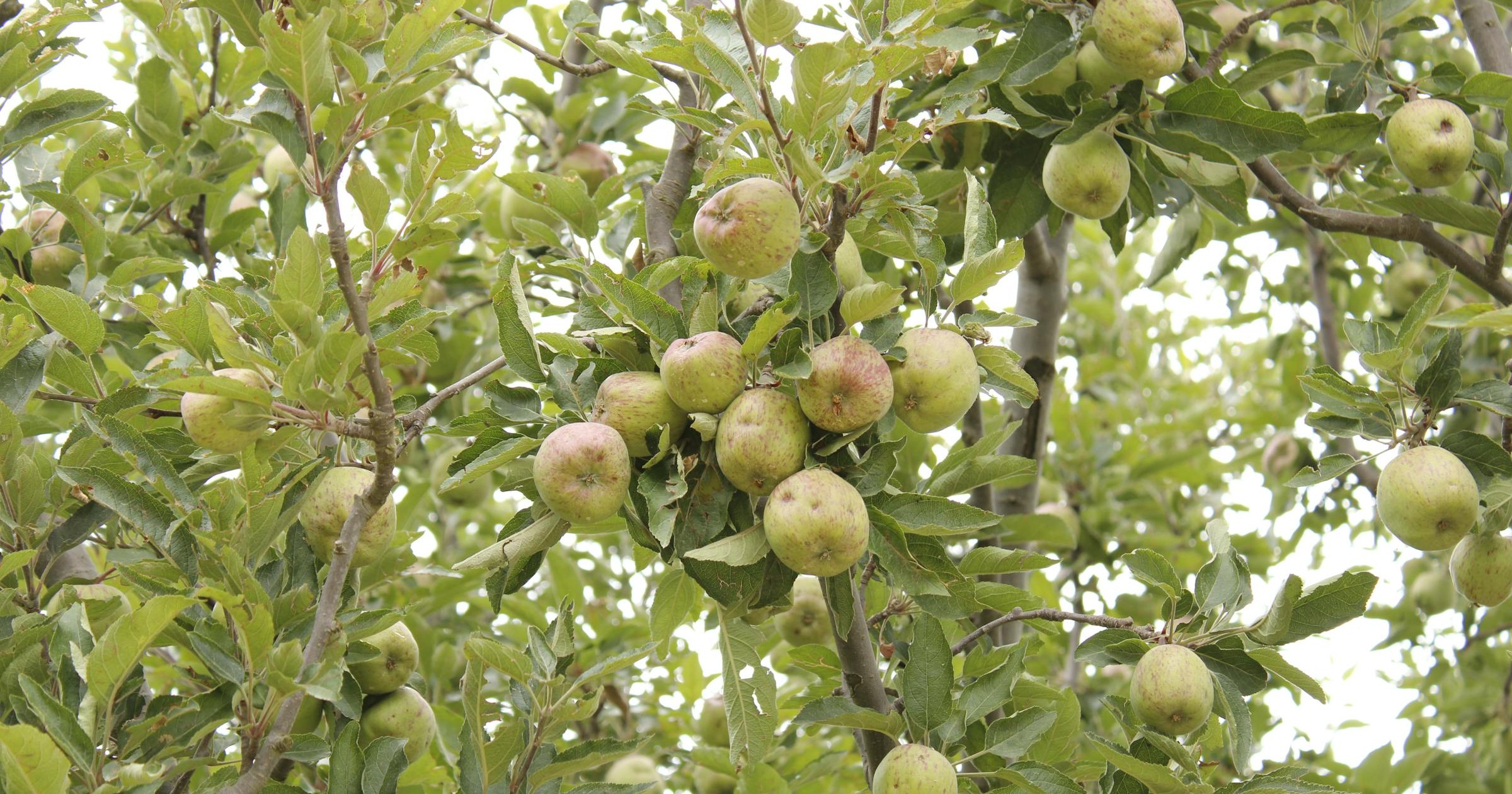
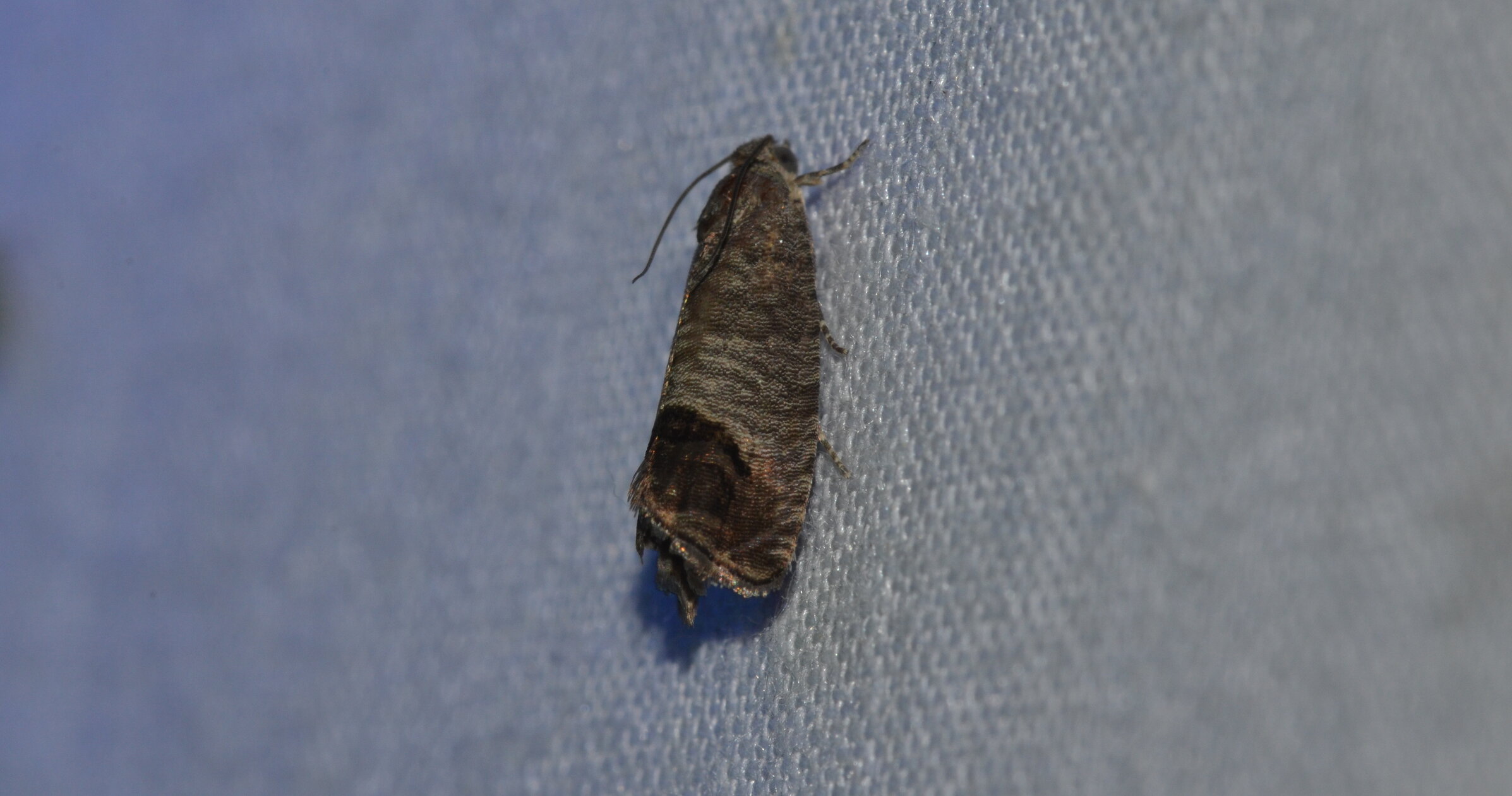
Codling Moth: Protecting Your Harvest From the Inside Out
Pest & Disease

Codling Moth: Protecting Your Harvest From the Inside Out

The codling moth larva bores into apples and pears, feeding on the core while the fruit looks fine from outside. Learn the one-day management window, degree-day timing for the Puget Sound region, and how to combine sanitation, bagging, CpGV, and targeted sprays to protect your harvest.

Read more →
Tent Caterpillars: What the Webs Mean and When to Act
Pest & Disease

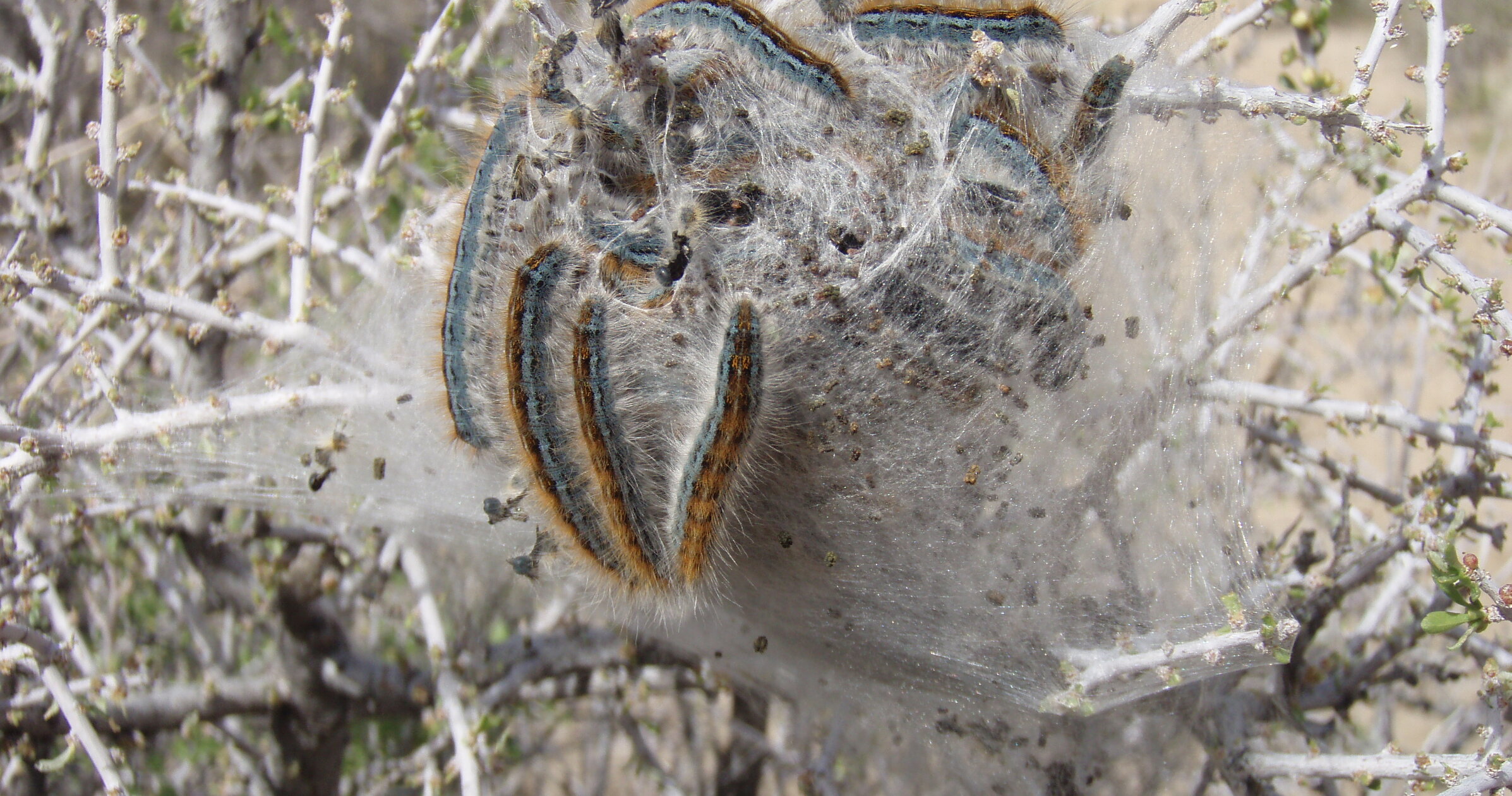
Tent Caterpillars: What the Webs Mean and When to Act

Thick silken webs in your cherry or crabapple every spring are tent caterpillars. Learn the three species in the Puget Sound region, why outbreaks crash on their own, when intervention actually helps, and why doing nothing is usually the strongest long-term play.

Read more →
Gray Mold: The Disease Your Climate Was Designed For
Pest & Disease

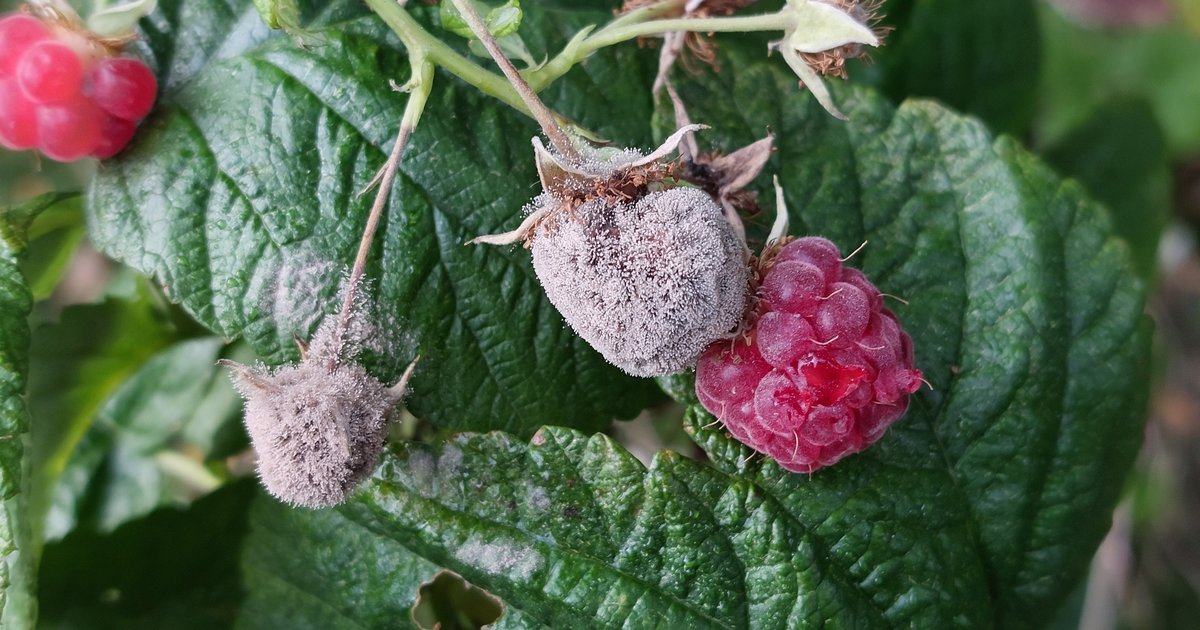
Gray Mold: The Disease Your Climate Was Designed For

Gray mold (Botrytis cinerea) infects 200+ species and thrives in Puget Sound's cool, wet springs. Identification on fruit, flowers, and vegetables; the wetness-duration infection model; cultural controls that outperform sprays; and the fungicide resistance story reshaping professional programs.

Read more →
Apple Scab: The Disease You Can Plan Against
Pest & Disease

Apple Scab: The Disease You Can Plan Against

Apple scab is the most reliable fungal disease on any Malus in the Puget Sound lowlands. Identification, the Mills table, cultivar resistance ratings, fall sanitation, and protectant vs. kickback spray timing for Western Washington fruit growers and landscapers.

Read more →
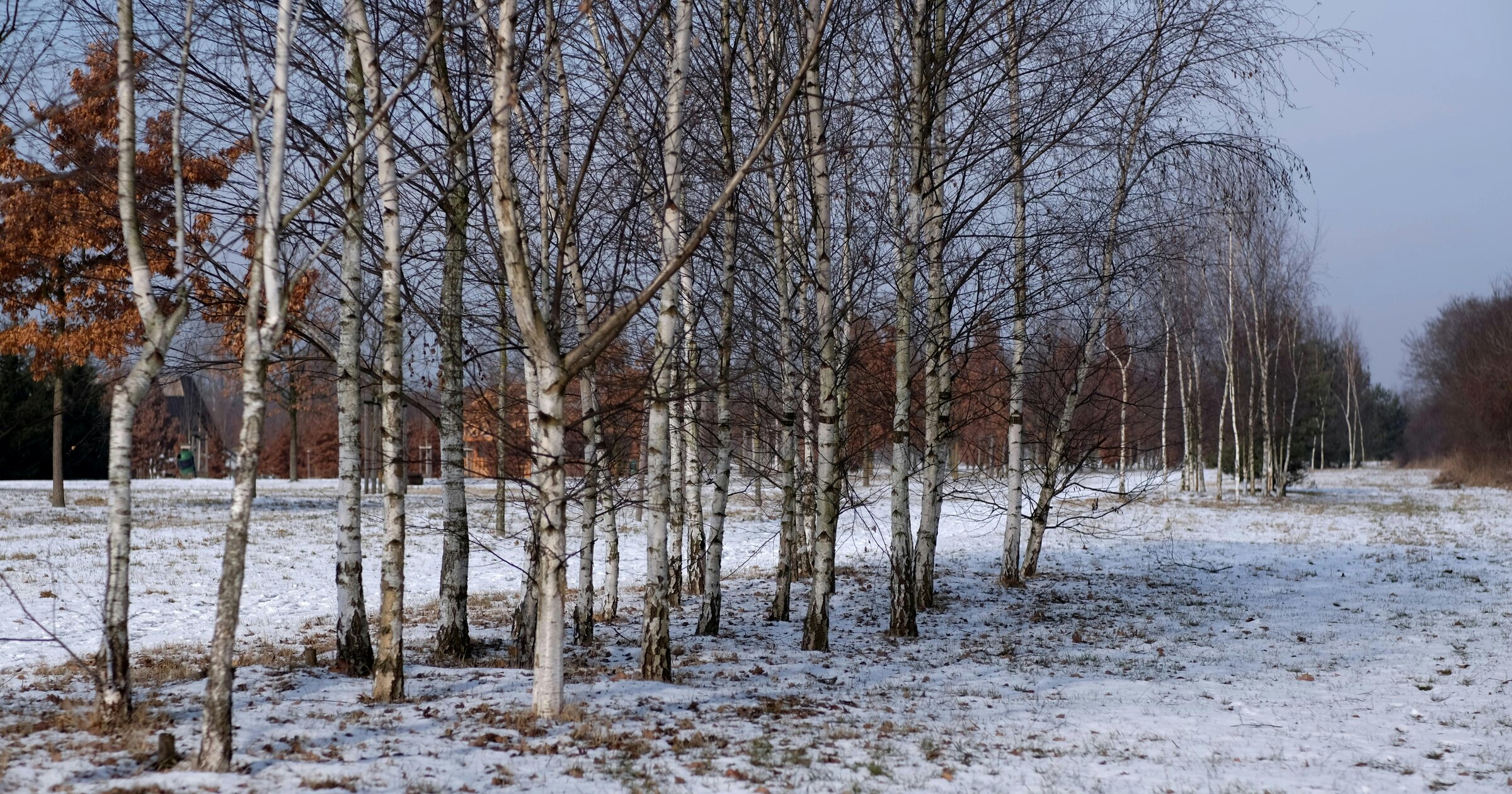
Bronze Birch Borer: Why Your Birch Is Dying from the Top Down
Pest & Disease

Bronze Birch Borer: Why Your Birch Is Dying from the Top Down

Bronze birch borer kills stressed birches from the canopy down, and understanding the delay between drought stress and visible damage is the key to saving trees that can still be saved. GDD timing, resistance chemistry, treatment thresholds, and species substitution for the Puget Sound lowlands.

Read more →
Scale Insects: Identifying and Managing the Two Types That Damage Landscape Plants
Pest & Disease

Scale Insects: Identifying and Managing the Two Types That Damage Landscape Plants

Armored and soft scale insects look similar on bark but require completely different management. Learn the field test that separates them, when crawlers emerge by GDD, and why ant exclusion may be the most effective single intervention.

Read more →
Phytophthora Root Rot: The Water Mold That Loves Your Soil
Pest & Disease

Phytophthora Root Rot: The Water Mold That Loves Your Soil

Why Western Washington's wet winters create perfect conditions for Phytophthora, and how to protect your landscape.

Read more →
Anthracnose: Two Diseases, One Name
Pest & Disease

Anthracnose: Two Diseases, One Name

Learn the difference between cosmetic leaf spot anthracnose and destructive dogwood canker disease. Regional strategy for the Pacific Northwest.

Read more →
Aphids: Why Spraying Is Usually the Wrong First Move
Pest & Disease

Aphids: Why Spraying Is Usually the Wrong First Move

Aphids are everywhere in our region's gardens. The best response is usually no response at all. Here is how to tell when that changes.

Read more →
Armillaria Root Rot: Prevention in a Fungus-Loaded Landscape
Pest & Disease

Armillaria Root Rot: Prevention in a Fungus-Loaded Landscape

Armillaria root rot kills trees silently for years before symptoms appear. There is no cure. Learn what happens underground, why prevention is your only option, and how to protect your plantings.

Read more →
Eriophyid Mites: The Invisible Pest Behind Galls, Blisters, and Distorted Growth
Pest & Disease

Eriophyid Mites: The Invisible Pest Behind Galls, Blisters, and Distorted Growth

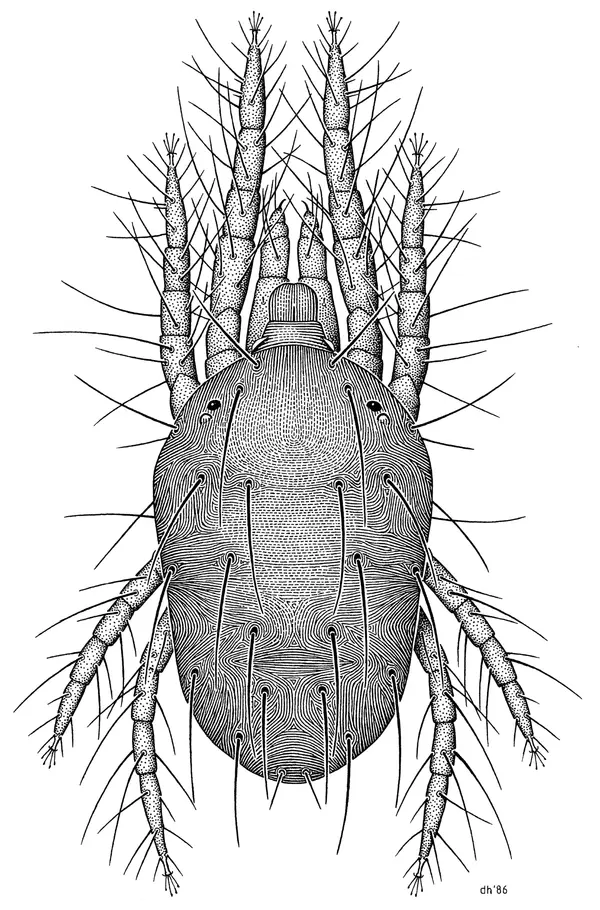
Those strange galls on your maple leaves and blistered pear foliage are caused by mites too small to see. Most of the time, the plant does not care. Here is what you need to know.

Read more →
Fire Blight vs. Pseudomonas: Diagnosing Spring Shoot Blight
Pest & Disease

Fire Blight vs. Pseudomonas: Diagnosing Spring Shoot Blight

Most spring shoot blight on pears and apples in the Pacific Northwest is Pseudomonas, not fire blight. Learn to distinguish the two and manage them correctly.

Read more →
Leafminers: The Pest You Can Almost Always Ignore
Pest & Disease

Leafminers: The Pest You Can Almost Always Ignore

Those winding trails and blotches inside your leaves look alarming. On most landscape plants, leafminers are cosmetic damage that requires no treatment. Here is how to tell the difference.

Read more →
Root Weevil: The Night Shift Pest in Every Western Washington Garden
Pest & Disease

Root Weevil: The Night Shift Pest in Every Western Washington Garden

Root weevils are the most common landscape pest in this region. The notched leaves are cosmetic. The larvae eating your roots are not. Here is what to do about both.

Read more →
Spider Mites: The Pest That Thrives When Your Plants Are Already Stressed
Pest & Disease

Spider Mites: The Pest That Thrives When Your Plants Are Already Stressed

Spider mites explode in hot, dry conditions. In this region, that means July and August are your risk window. Here is how to spot them early and what actually works.

Read more →
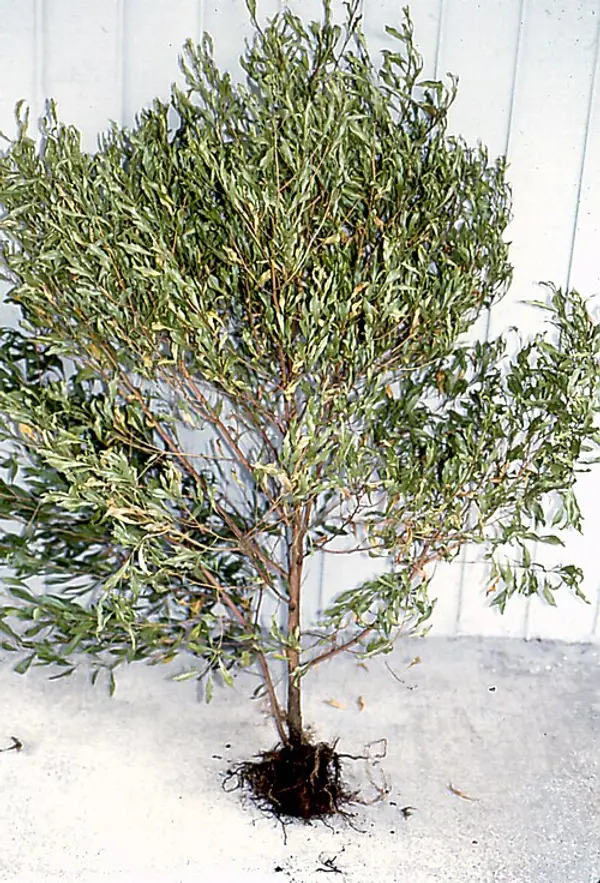
Verticillium Wilt: The Soil Disease That Outlasts Everything
Pest & Disease

Verticillium Wilt: The Soil Disease That Outlasts Everything

Verticillium wilt lives in soil for decades and has no cure. In Western Washington, it dominates maple disease diagnoses. Learn to recognize it, manage around it, and choose plants that resist it.

Read more →
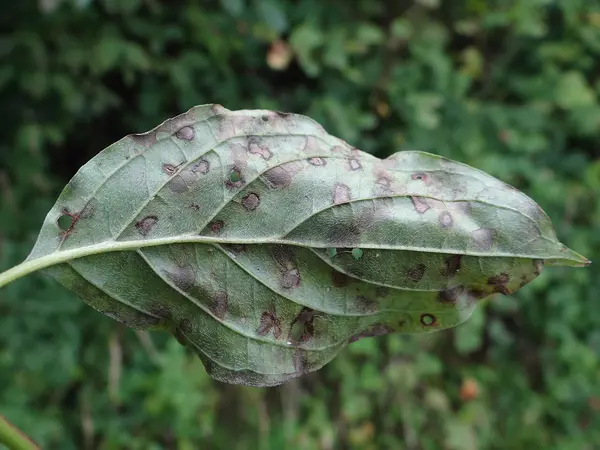
Black Spot on Kelsey's Dogwood: Diagnose, Treat, Prevent
Pest & Disease

Black Spot on Kelsey's Dogwood: Diagnose, Treat, Prevent

Kelsey's dogwood is one of the most reliable native shrubs you can plant in Western Washington. This compact cultivar of red-osier dogwood thrives in rain gardens, mass plantings, and riparian...

Read more →
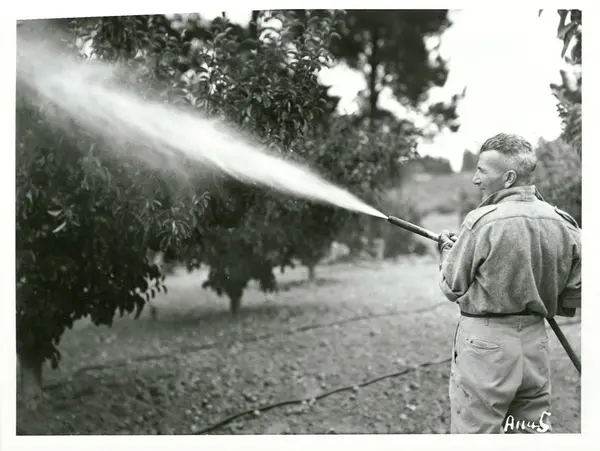
Dormant Oil Sprays: Timing, Products, and the Window You Cannot Miss
Pest & Disease

Dormant Oil Sprays: Timing, Products, and the Window You Cannot Miss

You're standing in your orchard in mid-March, watching your apple and pear trees prepare to leaf out. The buds are swelling, and you remember that dormant oil spray you meant to apply. You pick up...

Read more →
Invasive Plants in the Puget Sound Region: What to Watch For and What to Do
Pest & Disease

Invasive Plants in the Puget Sound Region: What to Watch For and What to Do

If you've noticed your landscape getting harder to manage or watched a single plant gradually take over a section of your yard, you've likely encountered an invasive species. In Western Washington,...

Read more →
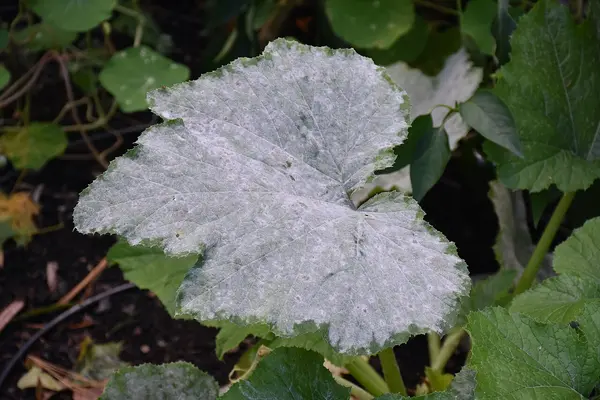
Powdery Mildew: Why Your Climate Gives You an Advantage
Pest & Disease

Powdery Mildew: Why Your Climate Gives You an Advantage

Powdery mildew in the Pacific Northwest: why it is naturally suppressed here, which plants need treatment, and how to manage it without overspraying.

Read more →
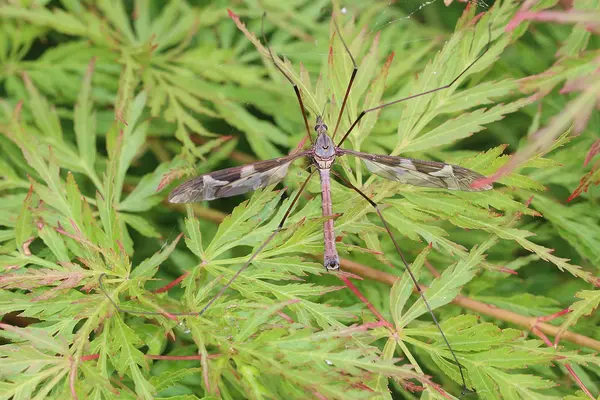
Crane Flies: What They Are and What They Actually Do to Your Lawn
Pest & Disease

Crane Flies: What They Are and What They Actually Do to Your Lawn

You're looking at your lawn in late February and noticing irregular brown patches. The grass is thin, dead sections are expanding, and you're starting to panic. Someone tells you it's crane flies....

Read more →