Western Spicebush Western Sweetbush
Calycanthus occidentalis
Calycanthaceae · broadleaf deciduous shrub · native
Last updated
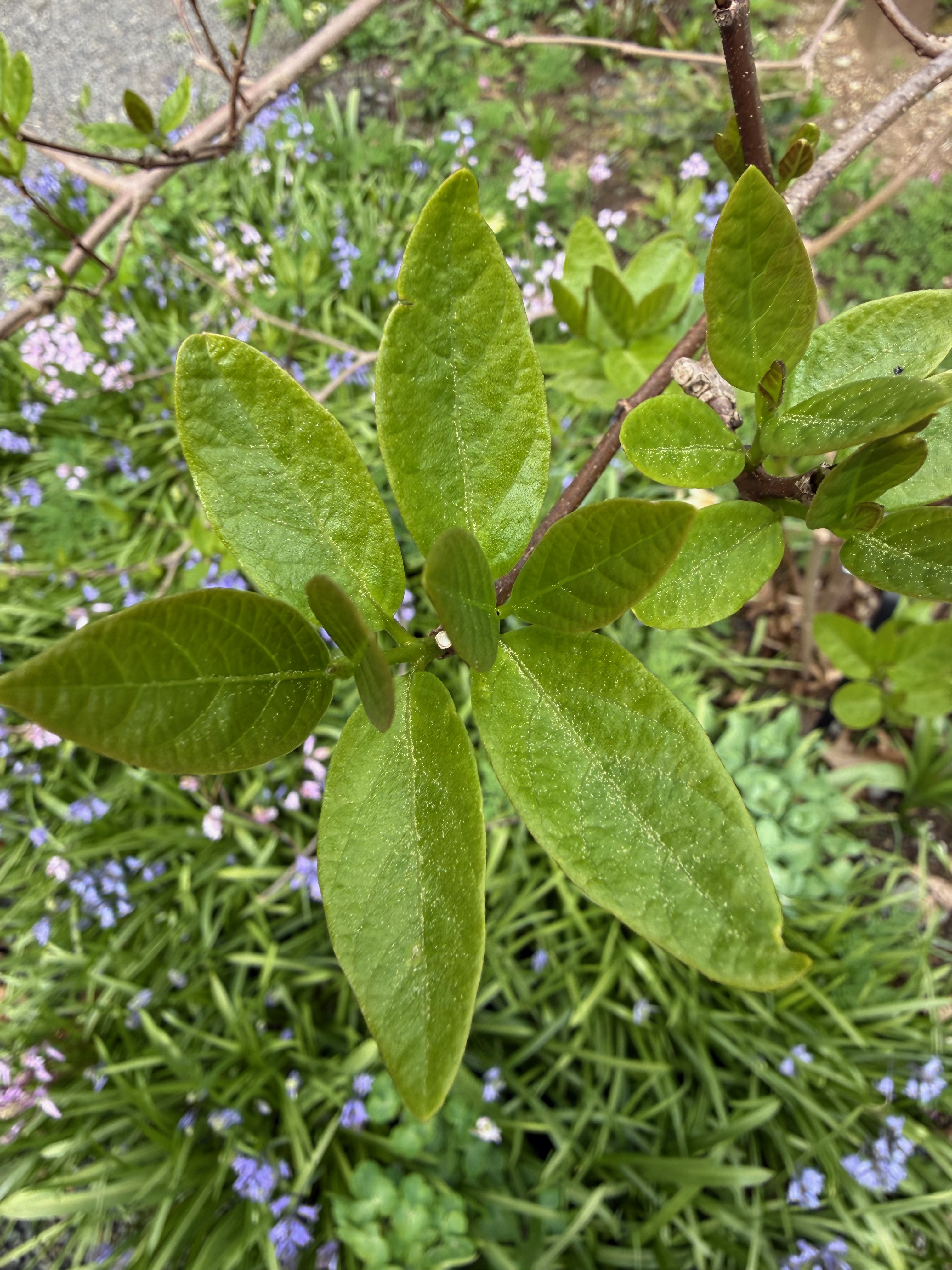
Western spicebush (Calycanthus occidentalis, Calycanthaceae) is a fast-growing deciduous shrub native to the southern Cascade Range, California coast ranges, and Sierra Nevada foothills at elevations of 200 to 1,600 meters. It reaches 4 to 12 feet tall with a multi-stemmed, suckering habit that forms thickets. Opposite, simple, ovate to elliptical leaves (8 to 20 centimeters) are dark green and rough above, turning yellow in fall. Solitary purple-brown flowers (5 to 7 centimeters wide), described as smelling like an old wine barrel, appear from June through August.
Western spicebush grows in full sun to full shade on a wide range of soils (pH 4.5 to 8.5), preferring rich moist loams, hardy in Zones 7a to 8b. It naturally occurs along stream banks, ponds, and moist canyons. Maintenance is low; prune after flowering to maintain shape and remove root suckers if naturalization is not desired. No significant pest or disease issues are documented. The plant contains calycanthine, an alkaloid toxic to humans and livestock. No cultivars are in the trade.
Quick Facts
Field Observations
Phenological Calendar
| Stage | Typical Window |
|---|---|
| Leaf emergence BBCH 11 | — |