Pest & Disease
Rhododendron Lace Bug
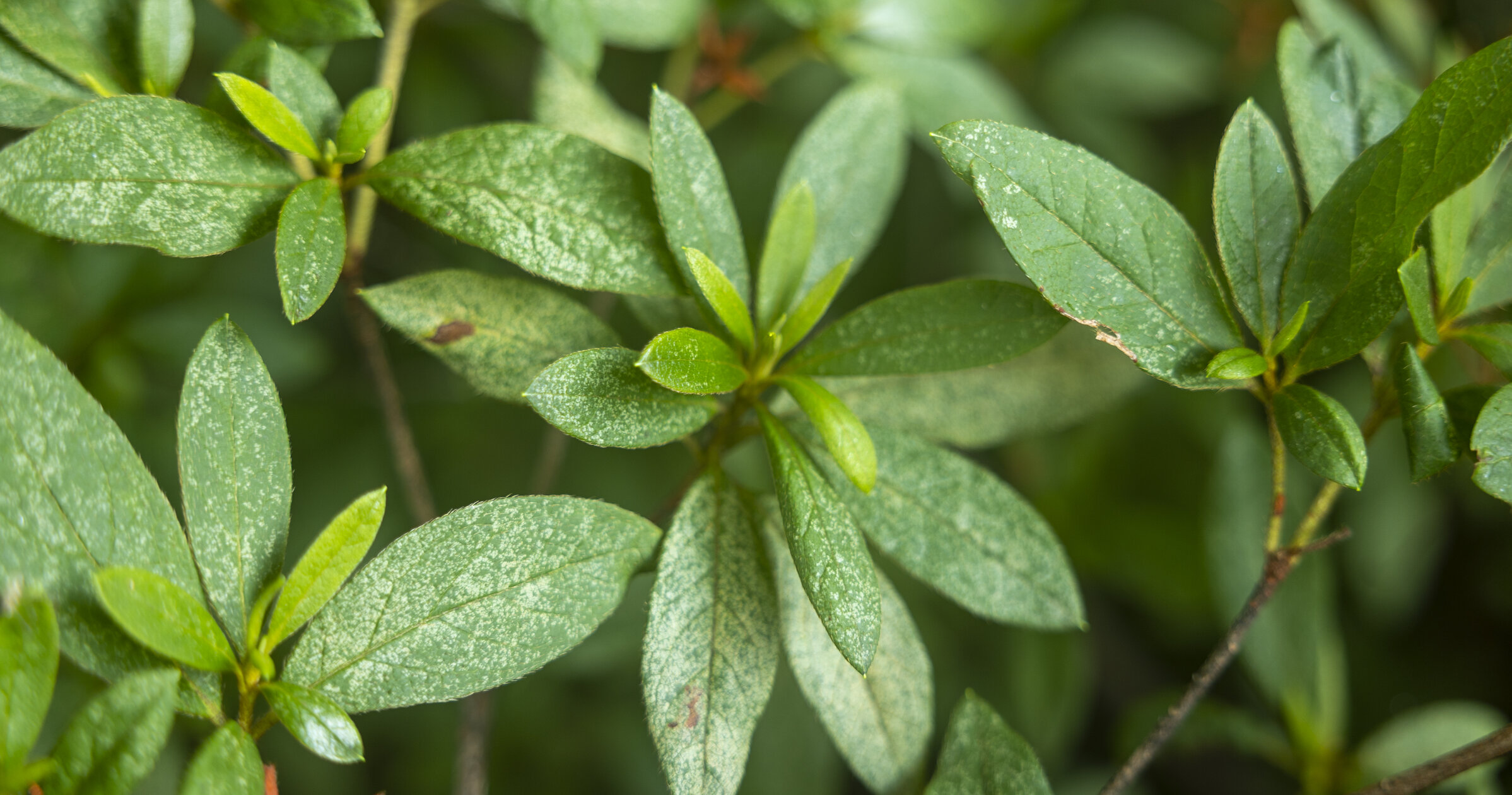
The pest most gardeners here call rhododendron lace bug is actually the azalea lace bug. How to tell the three species apart and time your response.
Read more →Identification, lifecycle, and management strategies for common pests and diseases in our region.
The pest most gardeners here call rhododendron lace bug is actually the azalea lace bug. How to tell the three species apart and time your response.
Read more →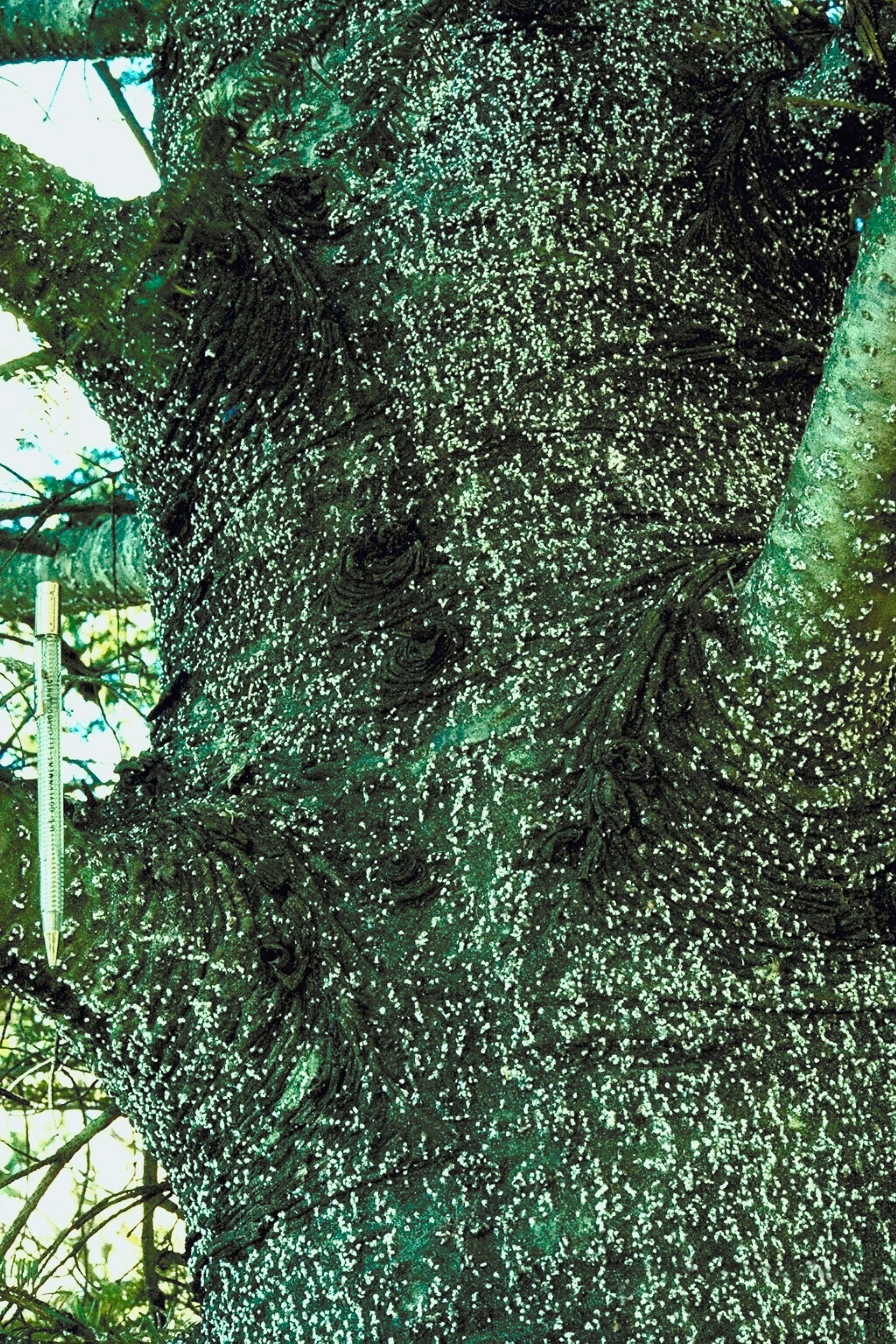
Balsam woolly adelgid has been in the Pacific Northwest since 1930, quietly removing grand fir from lowland landscapes. Most gardeners have never heard of it. If you have a true fir, you should know what it is and what to look for.
Read more →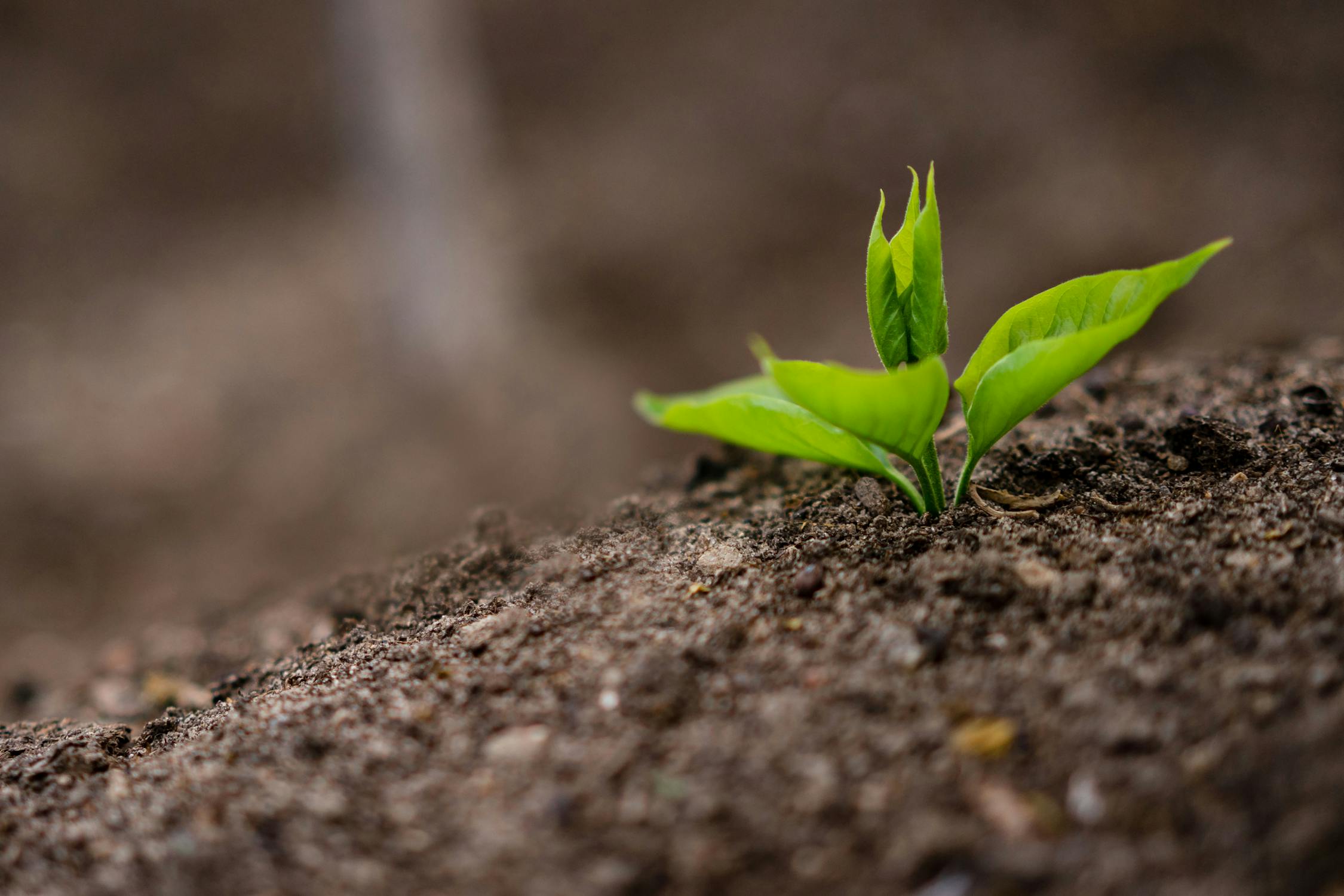
Three problems kill spring vegetable seedlings in the Puget Sound lowlands: damping off, cutworms, and slugs. Each leaves a different signature and demands a different fix. Learn to read the stem, the soil, and the damage pattern before you reach for a product.
Read more →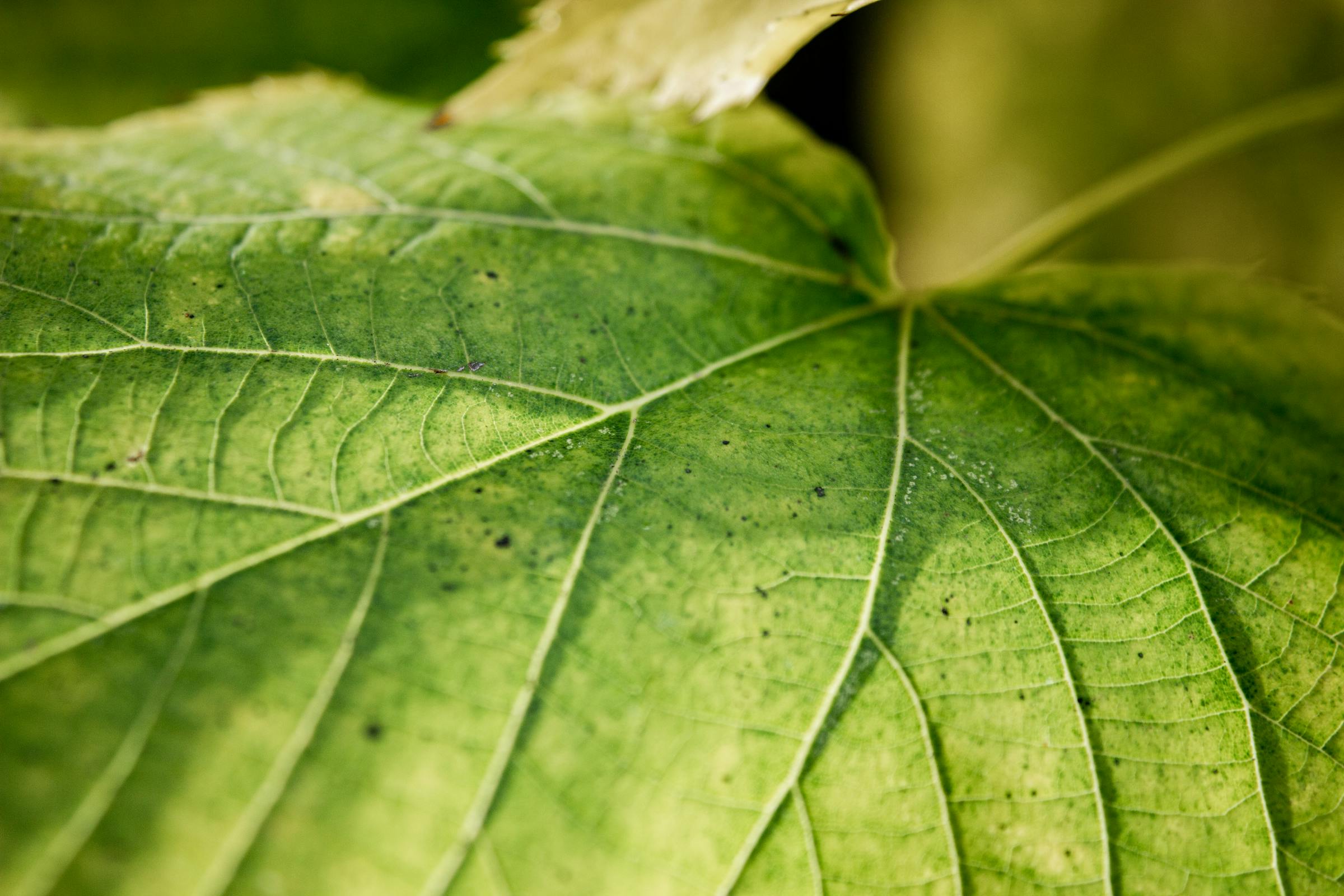
Most leaf spots on established plants are cosmetic. Learn to tell the difference between harmless spotting and the few leaf spot diseases that actually threaten plant health in the Puget Sound lowlands.
Read more →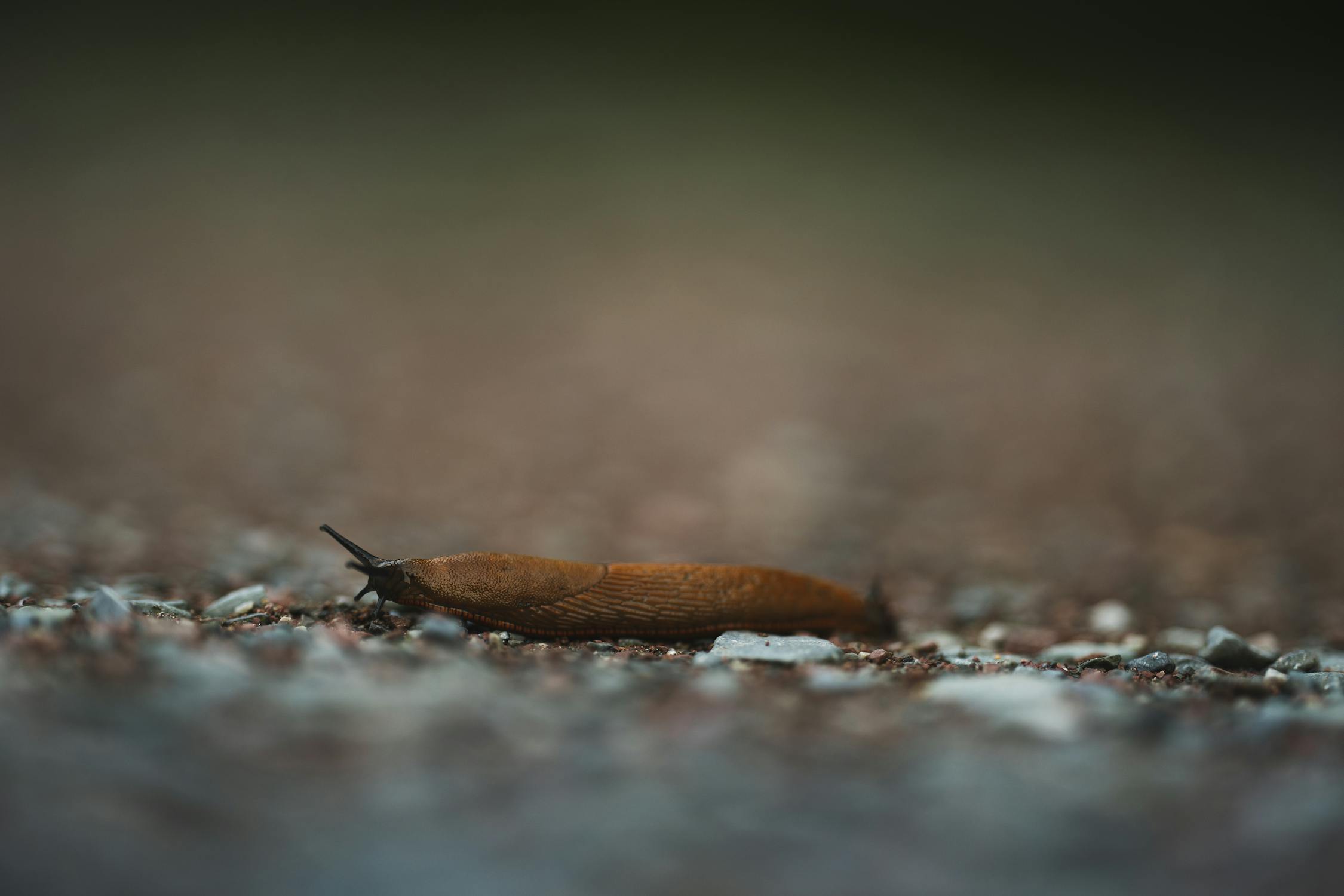
Identify the three slug species that matter in the Puget Sound lowlands, understand why national advice fails here, and build a seasonal management plan anchored by fall baiting and iron phosphate.
Read more →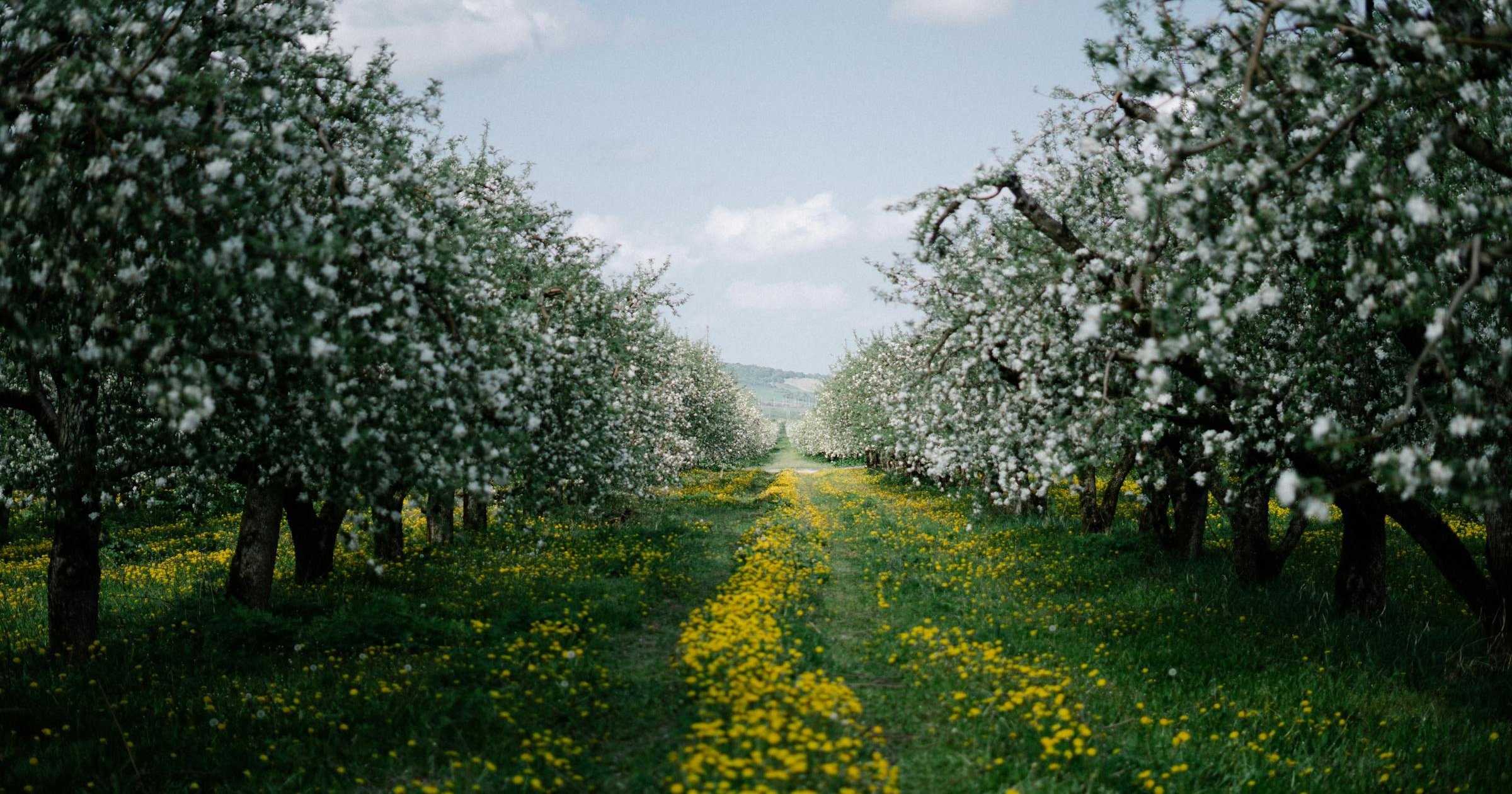
How to read fire blight infection risk during bloom using the CougarBlight model, when to apply Bacillus subtilis, and how to respond to shoot blight with proper pruning technique.
Read more →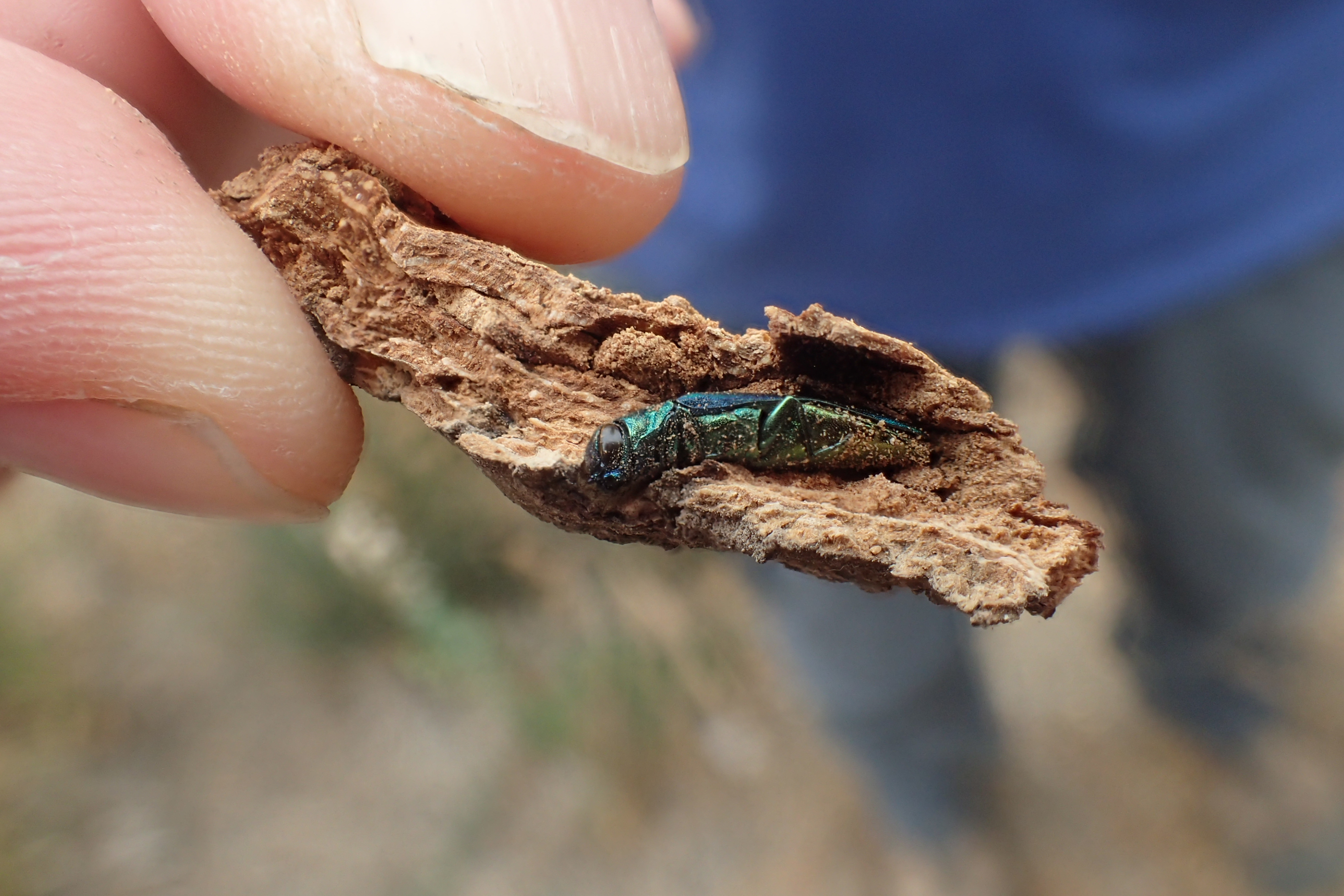
In July 2025, a private arborist in Portland noticed stress symptoms on a green ash near a swimming pool parking lot.The crown was thinning from the top.
Read more →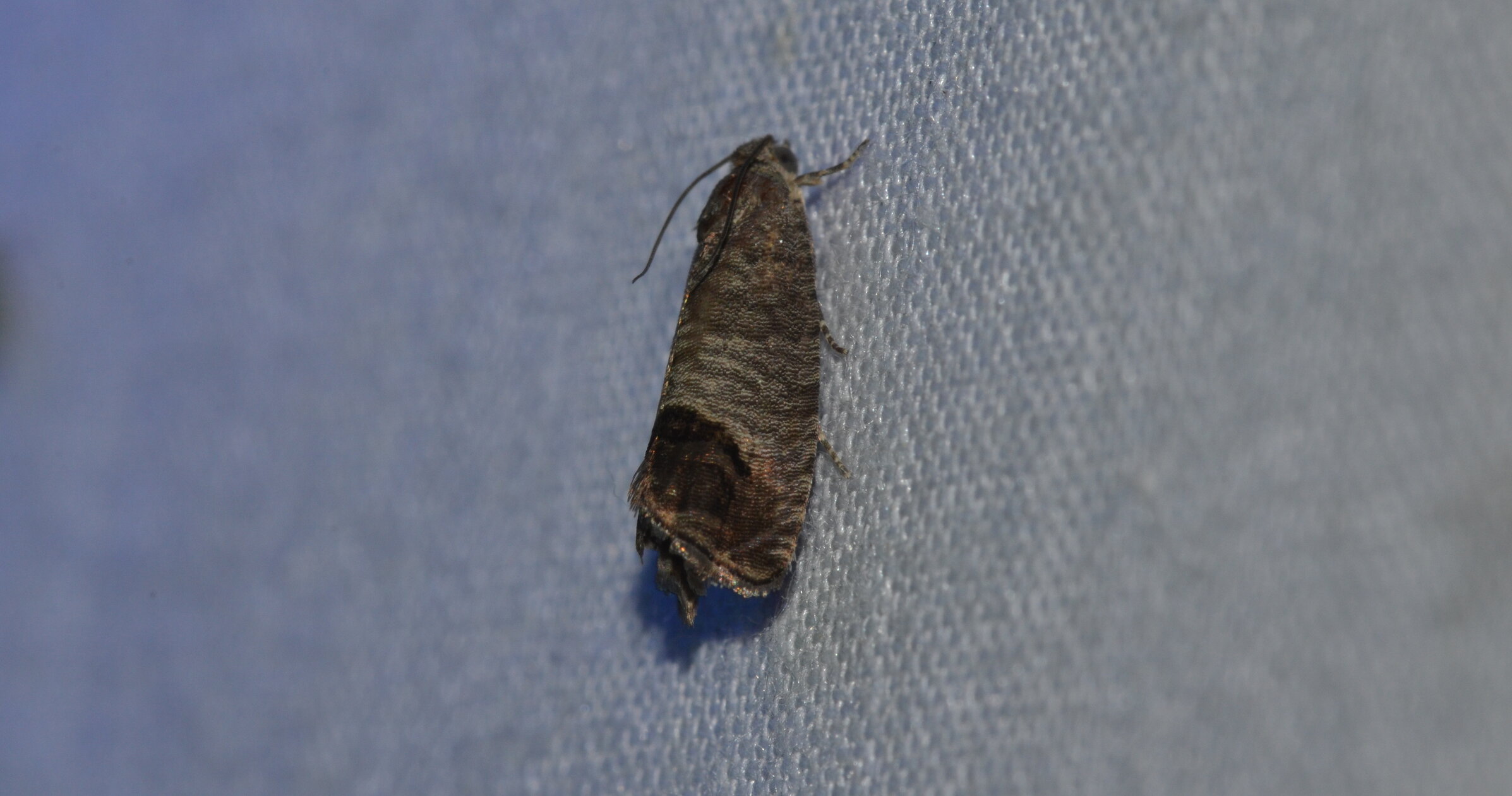
You cut into an apple from your backyard tree and find a brown, frass-filled tunnel running straight to the core.
Read more →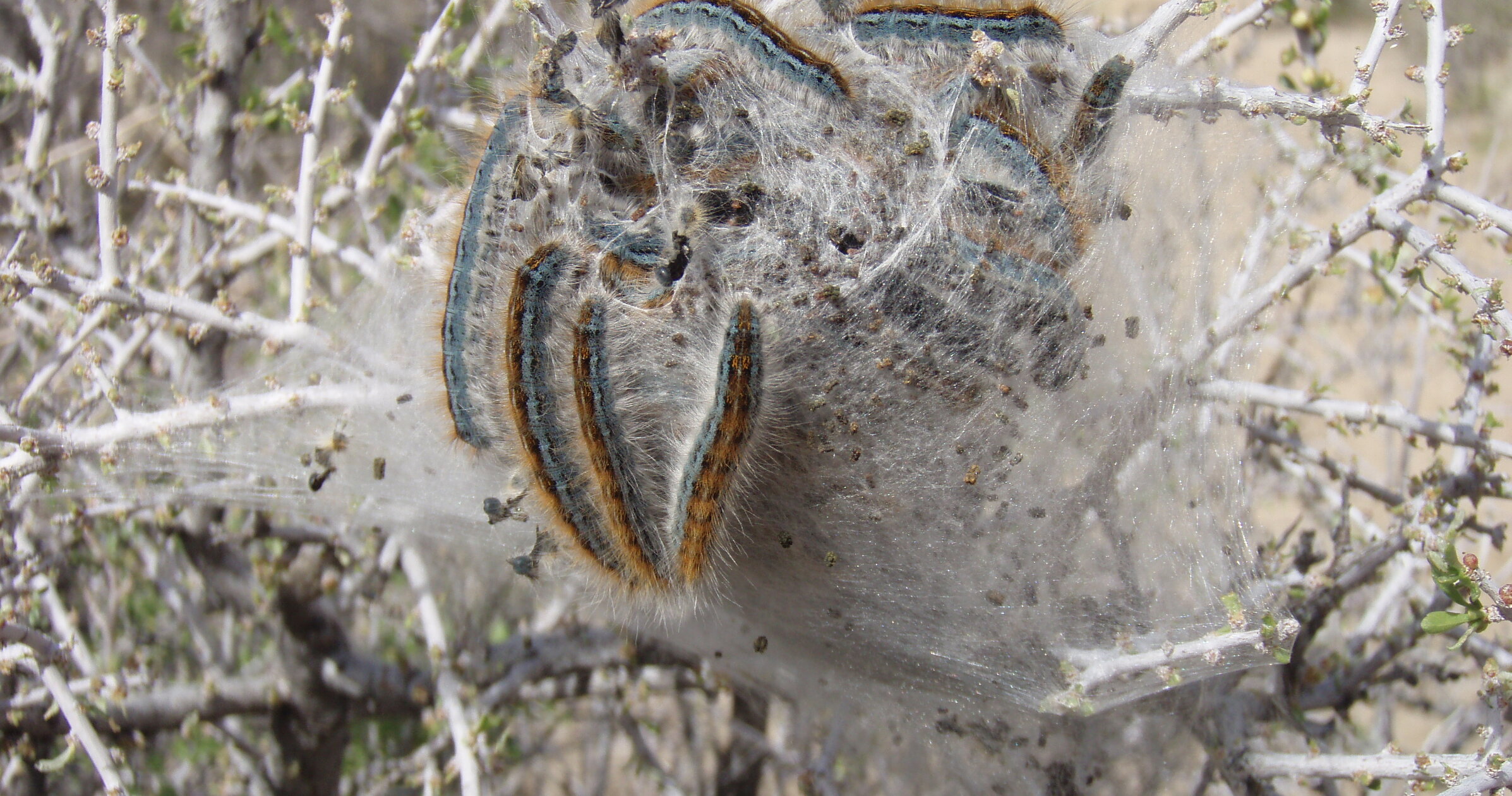
Sometime in late April or early May, you walk outside and notice thick, cottony webs bunched in the branch forks of your cherry tree or crabapple.
Read more →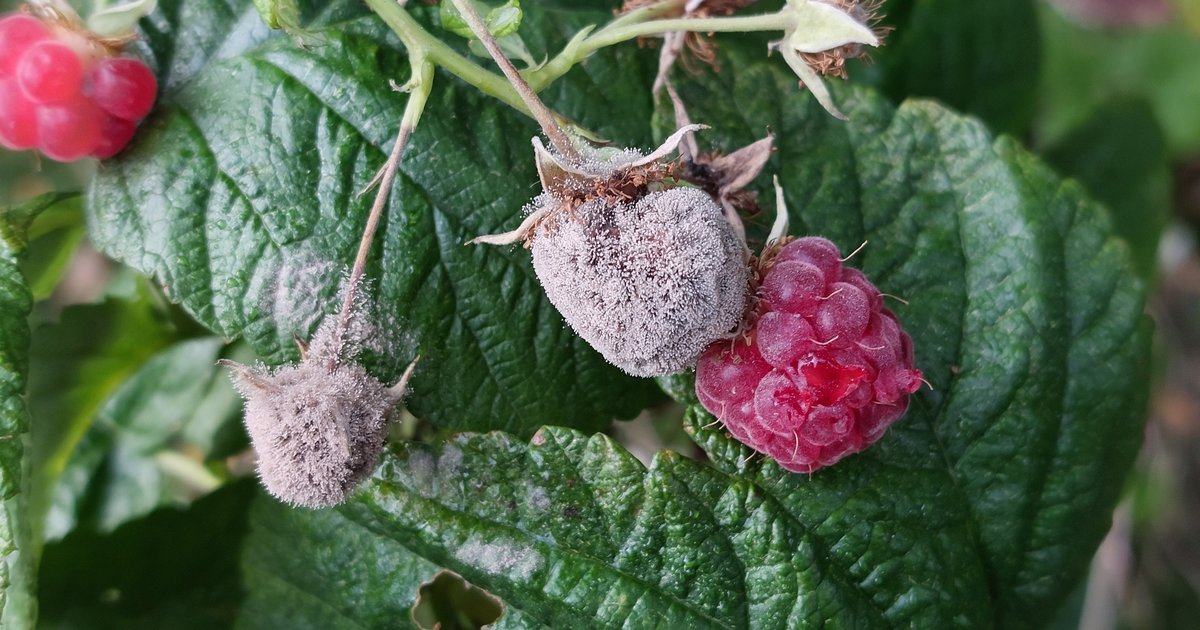
You find it on a Monday morning in May. The strawberry you were planning to pick tomorrow is covered in a gray, dusty fur.
Read more →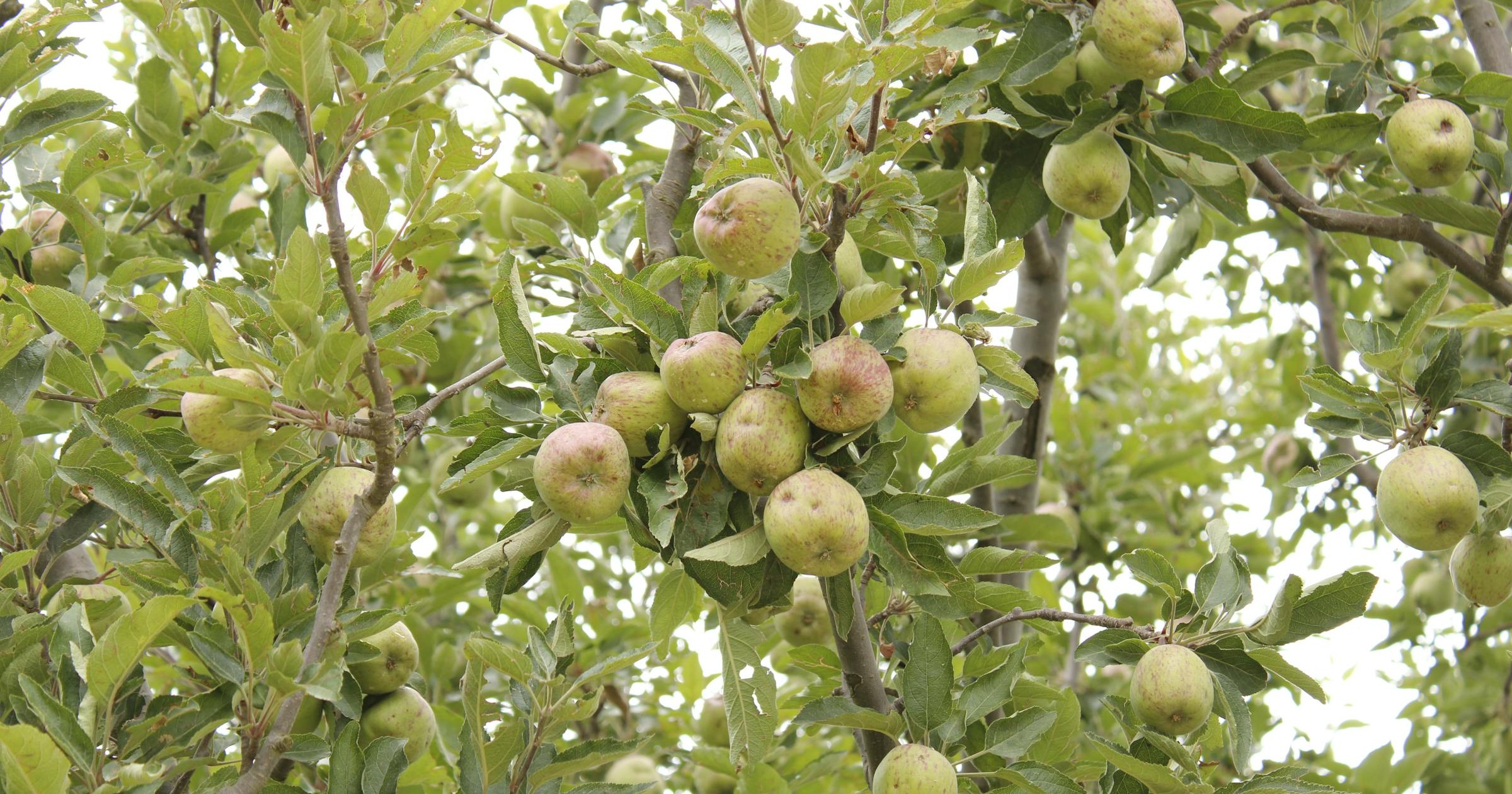
You notice it in May.Olive-green spots on the upper surface of your apple leaves, each one the size of a pencil eraser, with edges that look a little smoky.
Read more →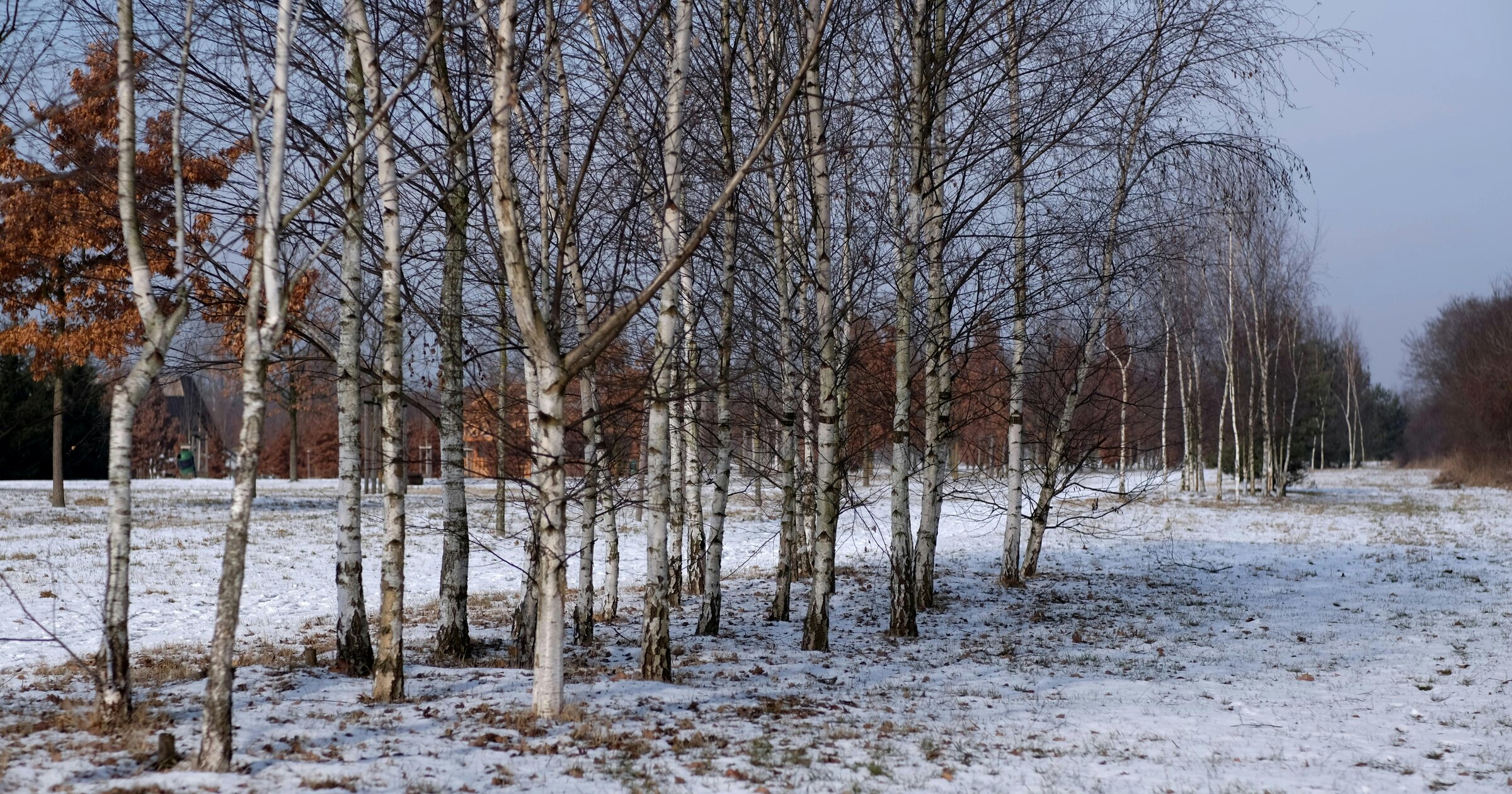
You planted a European white birch because you wanted that white bark against a dark fence, or because the developer put one in twenty years ago and you inherited it.
Read more →
You notice the sticky residue first.Something is dripping onto your car, your patio furniture, the hosta leaves underneath the dogwood.
Read more →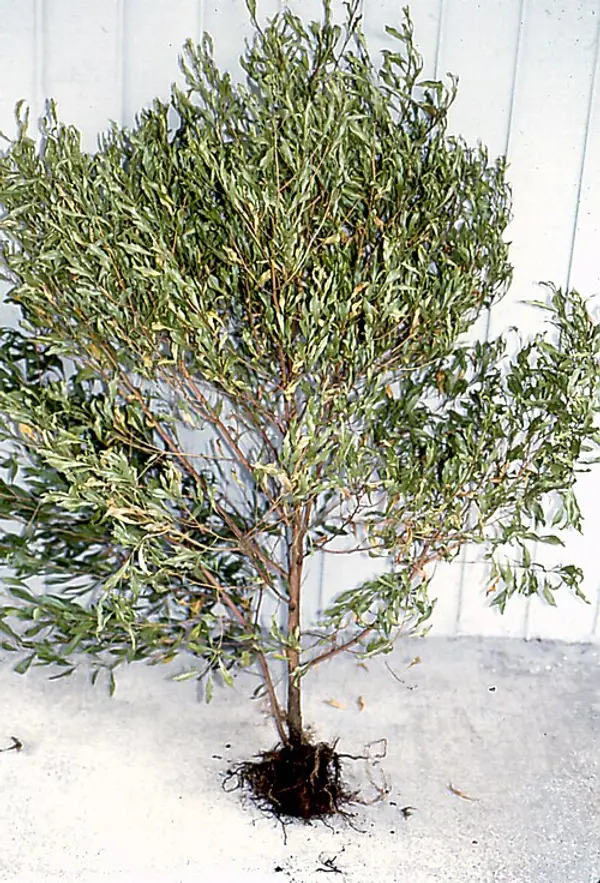
Why our wet winters create perfect conditions for Phytophthora, and how to protect your landscape.
Read more →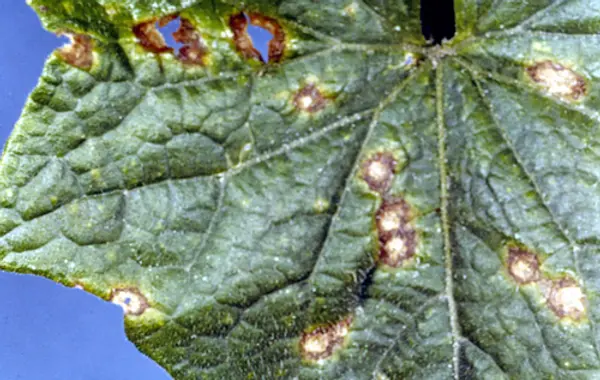
Learn the difference between cosmetic leaf spot anthracnose and destructive dogwood canker disease. Regional strategy for the Pacific Northwest.
Read more →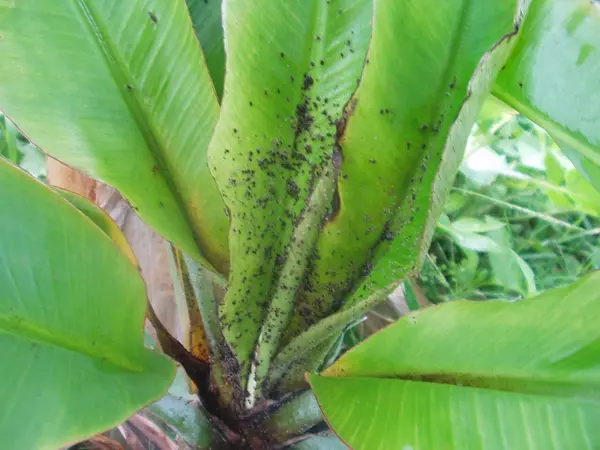
Aphids are everywhere in our region's gardens. The best response is usually no response at all. Here is how to tell when that changes.
Read more →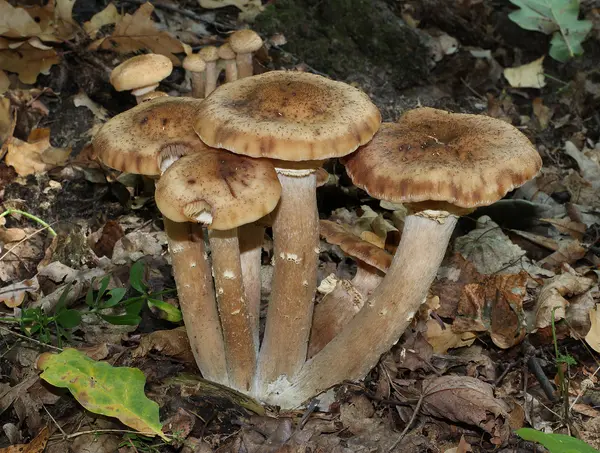
Armillaria root rot is a fungal disease that weakens tree health through decay of roots and the base. Learn identification, prevention, and management.
Read more →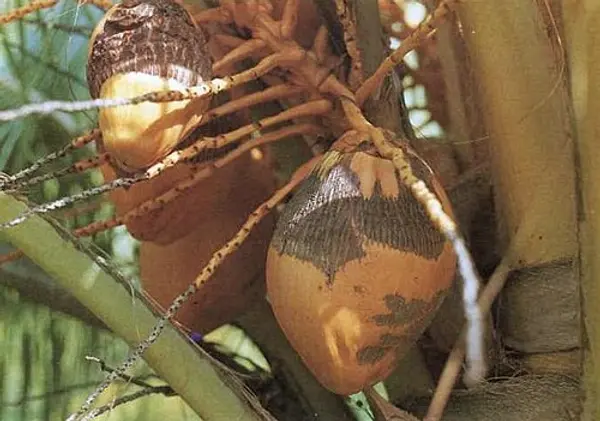
Those strange galls on your maple leaves and blistered pear foliage are caused by mites too small to see. Most of the time, the plant does not care.
Read more →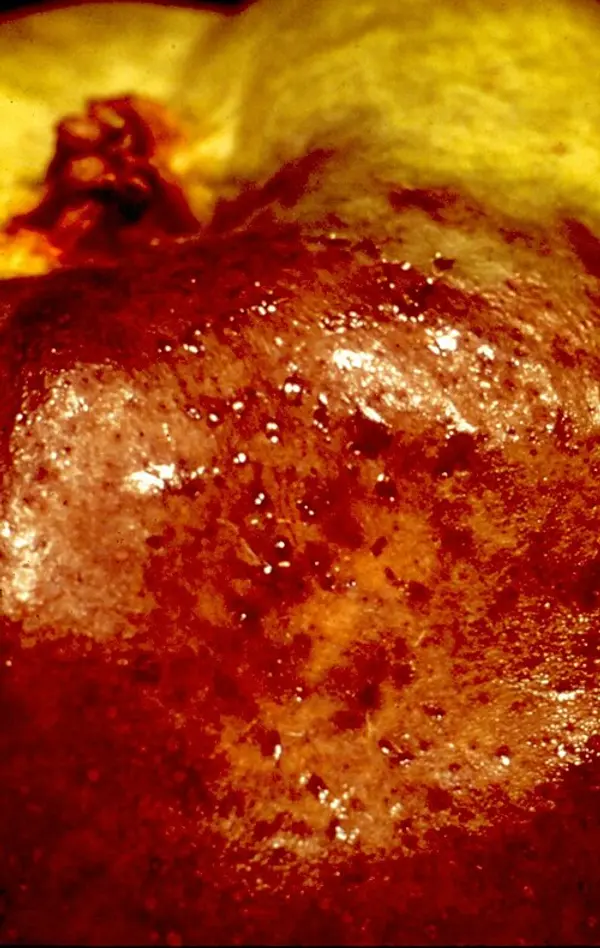
Most spring shoot blight on pears and apples in the Pacific Northwest is Pseudomonas, not fire blight. Learn to distinguish the two and manage them correctly.
Read more →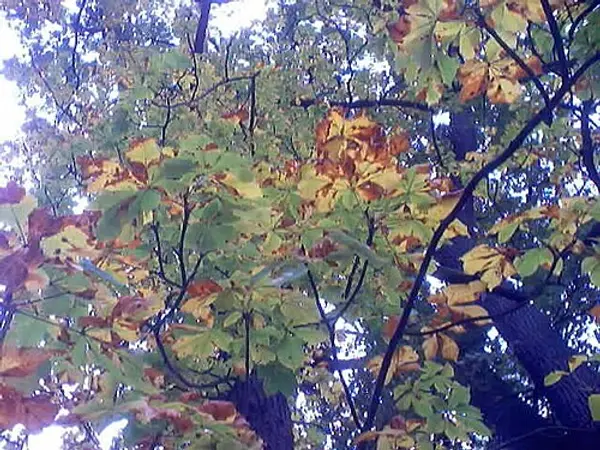
Those winding trails and blotches inside your leaves look alarming. On most landscape plants, leafminers are cosmetic damage that requires no treatment.
Read more →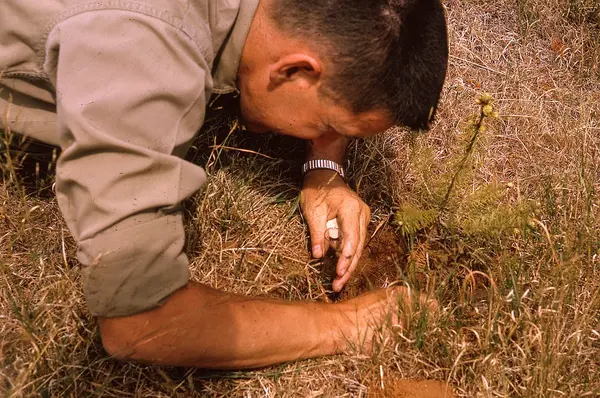
Root weevils are the most common landscape pest in this region. The notched leaves are cosmetic. The larvae eating your roots are not. Here is what to do about both.
Read more →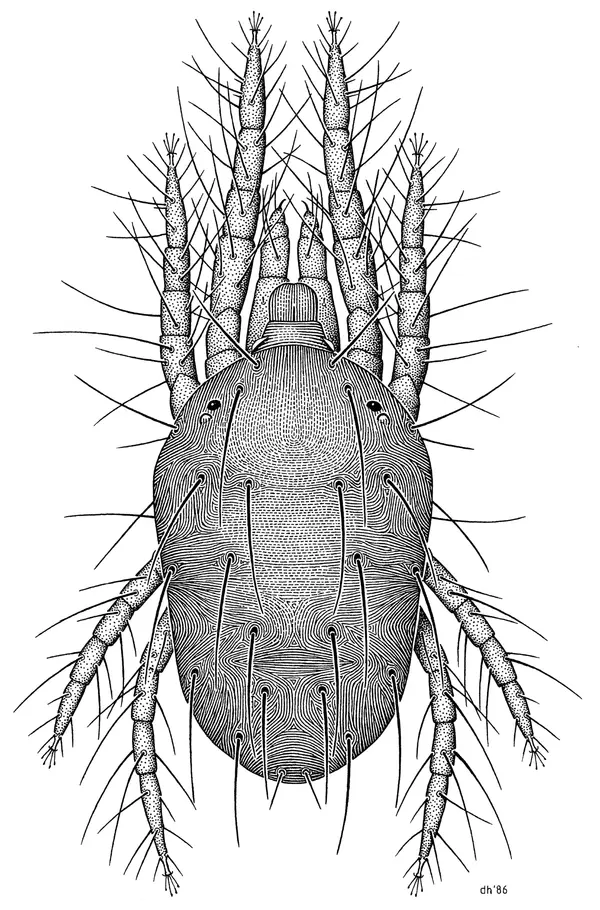
Spider mites explode in hot, dry conditions. In this region, that means July and August are your risk window. Here is how to spot them early and what actually works.
Read more →
You notice it on a Tuesday in July.One side of your [Japanese maple](/guides/japanese-maple/) wilts while the other side looks fine.
Read more →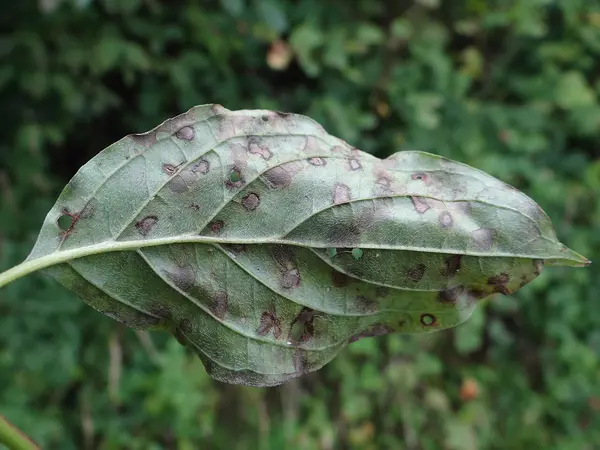
Kelsey's Dogwood Black Spot is a fungal disease affecting dogwoods in humid maritime climates. Identification, prevention, and treatment are covered.
Read more →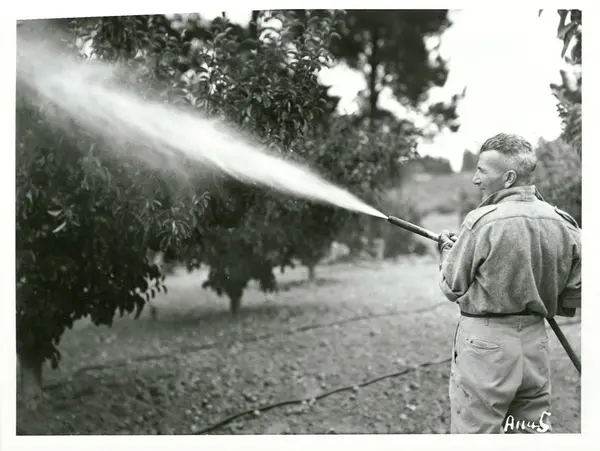
You're standing in your orchard in mid-March, watching your apple and pear trees prepare to leaf out.
Read more →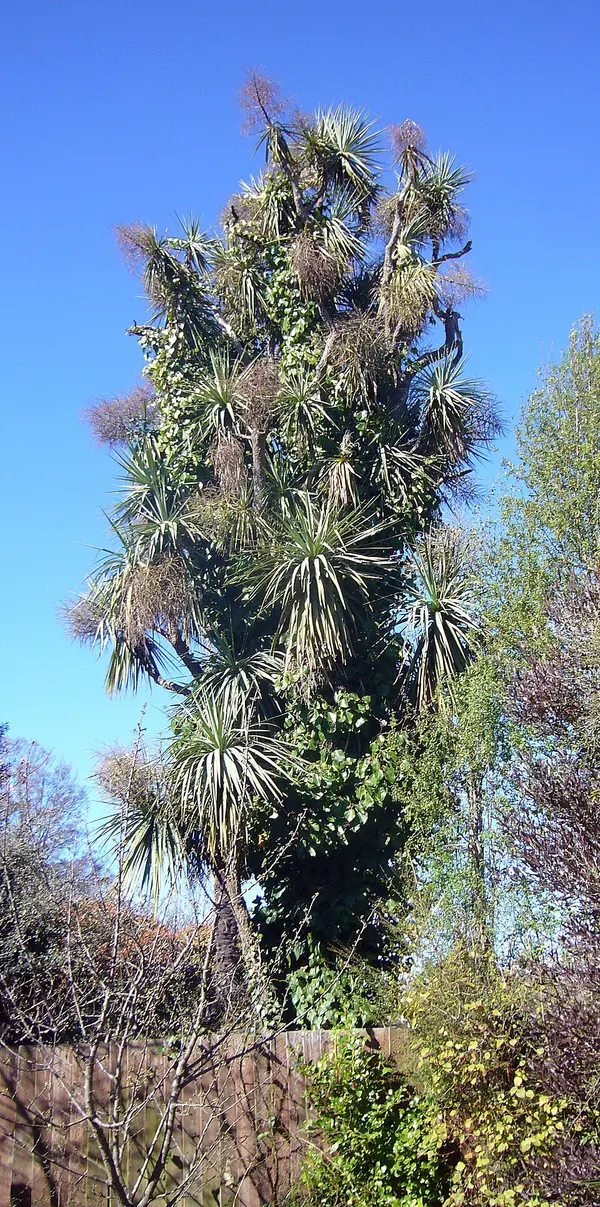
Learn which non-native plant species pose the greatest ecological threat in the Puget Sound lowlands and what properties to avoid when selecting plants.
Read more →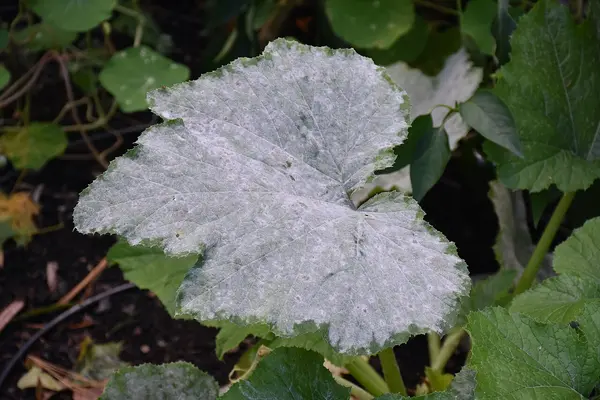
Powdery mildew in the maritime Pacific Northwest behaves differently than national guides assume. Learn why the wet spring sets up the June explosion, which plants need treatment, and how to read the temperature window that triggers it.
Read more →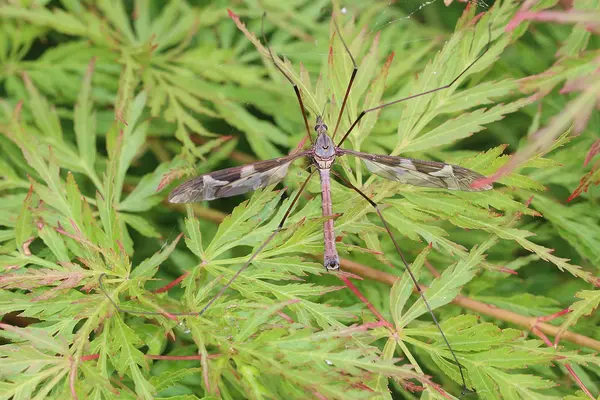
You're looking at your lawn in late February and noticing irregular brown patches.The grass is thin, dead sections are expanding, and you're starting to panic.
Read more →