
Latest Plant Selection
Pacific Dogwood (Cornus nuttallii)
Why Pacific Dogwood is declining in the wild, why it can still thrive in cultivation, and how to choose between the native species and disease-resistant hybrids.
Read more →In-depth plant profiles, disease identification, and pest management for Western Washington.
Why Pacific Dogwood is declining in the wild, why it can still thrive in cultivation, and how to choose between the native species and disease-resistant hybrids.
Read more →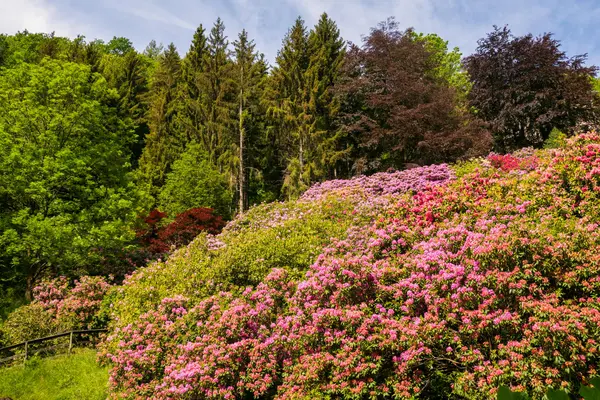
The two weeks after bloom are the most important weeks of the rhododendron year. How to read three diagnostic signals and act before the window closes.
Read more →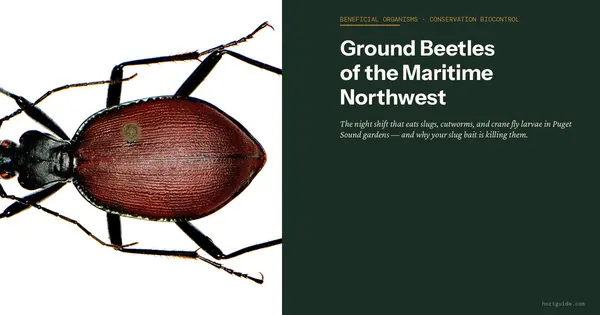
Ground beetles (family Carabidae) are the largest predator group working your soil surface in the Puget Sound lowlands. They eat slugs and slug eggs, cutworms, crane fly larvae, and root maggots, and they do it year-round.
Read more →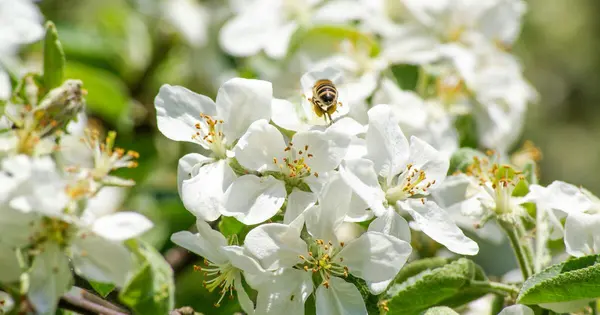
Most people think supporting pollinators means keeping honeybees.It is an understandable assumption: honeybees are the pollinators with the public relations department.
Read more →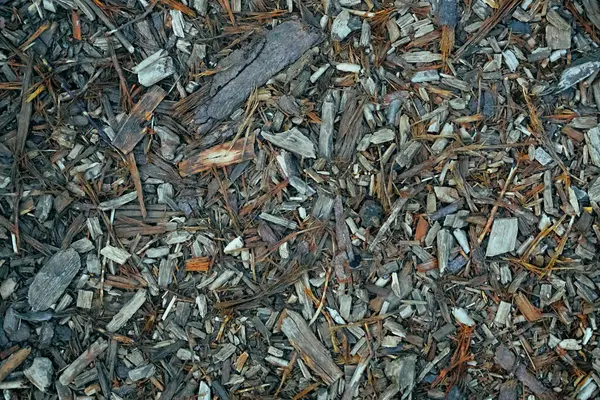
Wood chips don't deplete soil nitrogen. Learn how to use them effectively as mulch without harming tree health or plant growth.
Read more →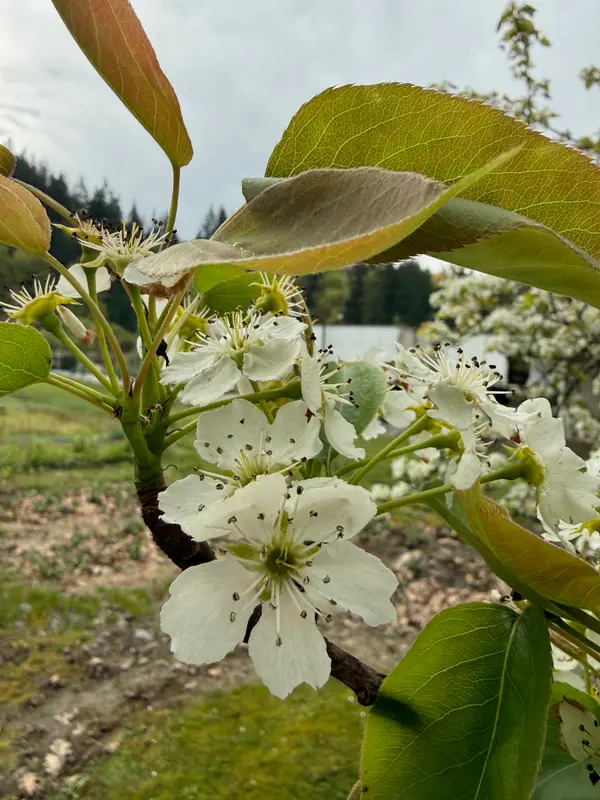
Asian pears are easier to grow than European pears here, but the disease that actually kills them in maritime springs is not the one the cultivar tags warn you about. A regional cultivar selection guide built on the Hartman pollination chart and the PNW Handbook.
Read more →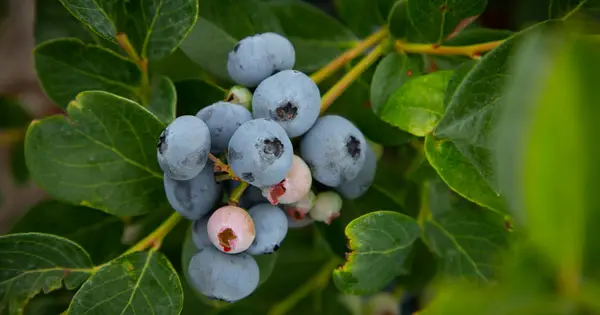
Your soil is closer to right than you think, but the cultivar you choose and whether you address drainage before planting determines whether blueberries thrive or decline. A selection guide built on PNW 656 cultivar data crossed with soil tolerance and disease resistance for the Puget Sound lowlands.
Read more →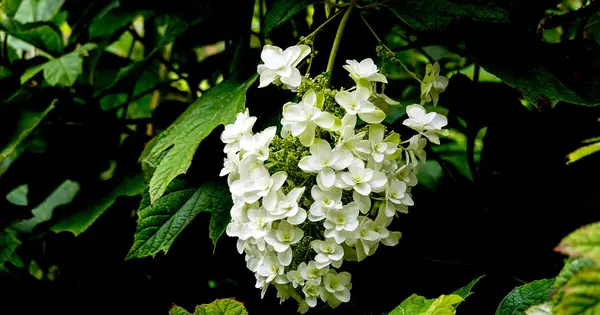
Your hydrangea will not bloom, or it scorched in the heat, or you cannot tell the nursery benches apart. Here is how to match hydrangea species and cultivar to the site you actually have in the Puget Sound lowlands.
Read more →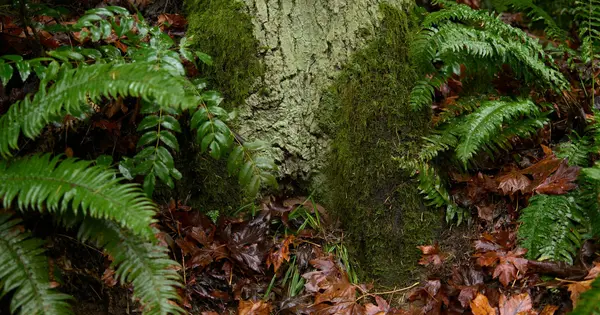
Native groundcovers provide ecological function, reduce maintenance needs, and create resilient landscape solutions for Western Washington gardens.
Read more →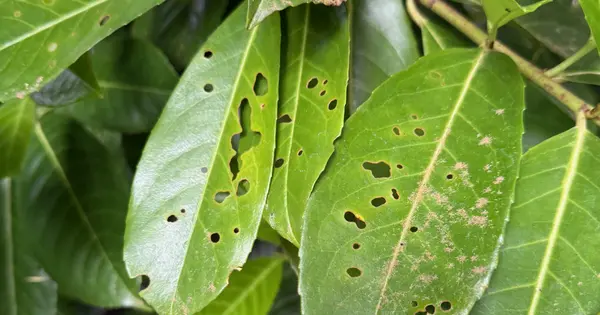
English laurel shothole has four distinct causes, and only one responds to fungicide. Learn to diagnose fungal, bacterial, physiological, and copper-induced shothole, and when to leave it alone.
Read more →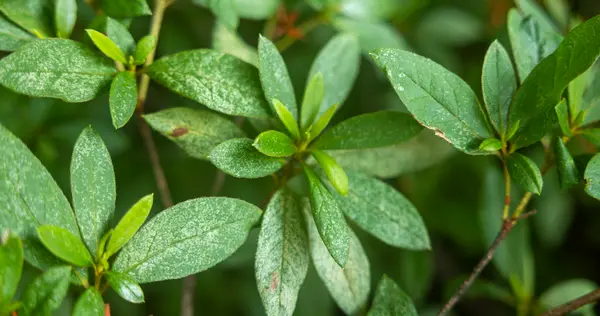
The pest most gardeners here call rhododendron lace bug is actually the azalea lace bug. How to tell the three species apart and time your response.
Read more →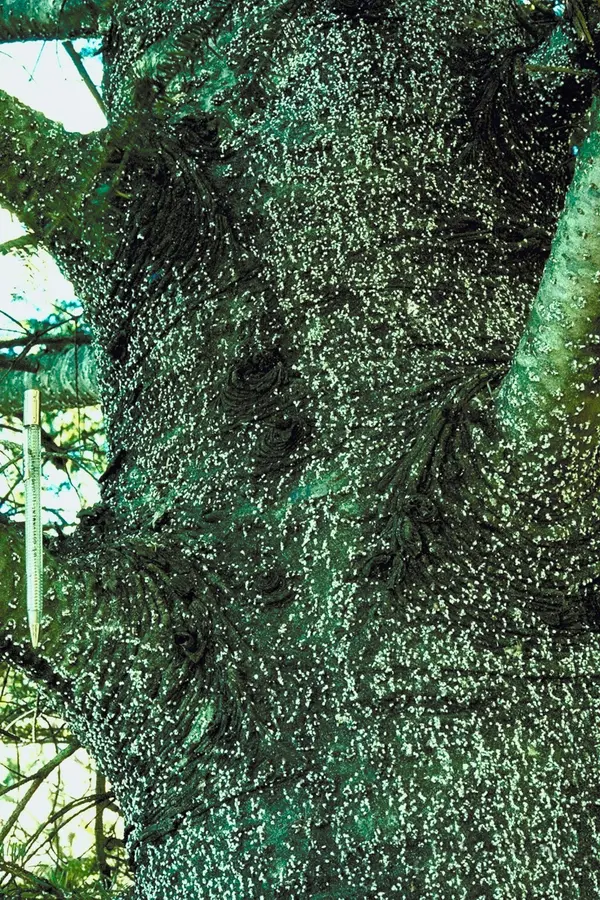
Balsam woolly adelgid has been in the Pacific Northwest since 1930, quietly removing grand fir from lowland landscapes. Most gardeners have never heard of it. If you have a true fir, you should know what it is and what to look for.
Read more →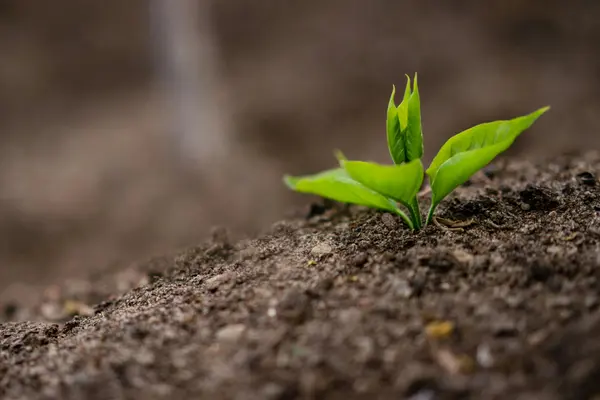
Three problems kill spring vegetable seedlings in the Puget Sound lowlands: damping off, cutworms, and slugs. Each leaves a different signature and demands a different fix. Learn to read the stem, the soil, and the damage pattern before you reach for a product.
Read more →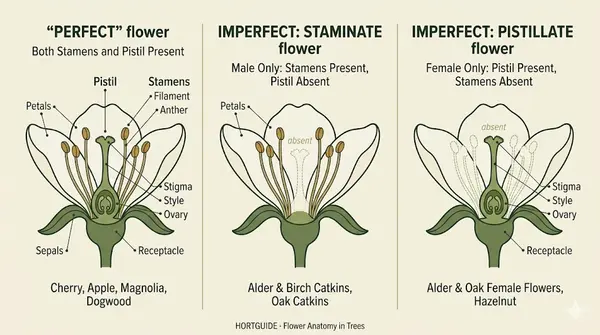
Tree flowers explained from the four whorls outward: perfect vs. imperfect, monoecious vs. dioecious, gymnosperm cones, wind vs. insect pollination, and what flower anatomy means for cultivar selection, fruit set, allergies, and disease management.
Read more →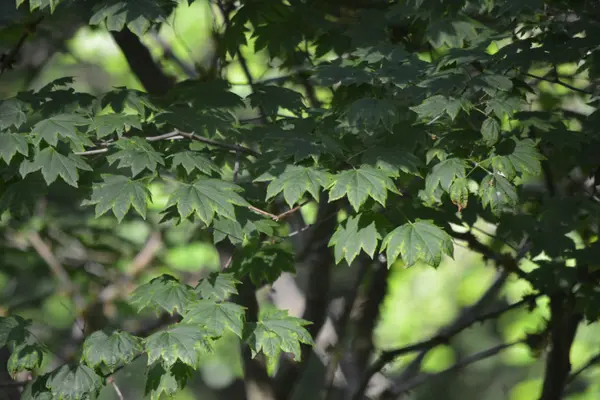
The internal architecture of a broad leaf: epidermis and cuticle, palisade and spongy mesophyll, chloroplasts, stomata and guard cells, transpiration, antitranspirants, and the controlled shutdown of abscission.
Read more →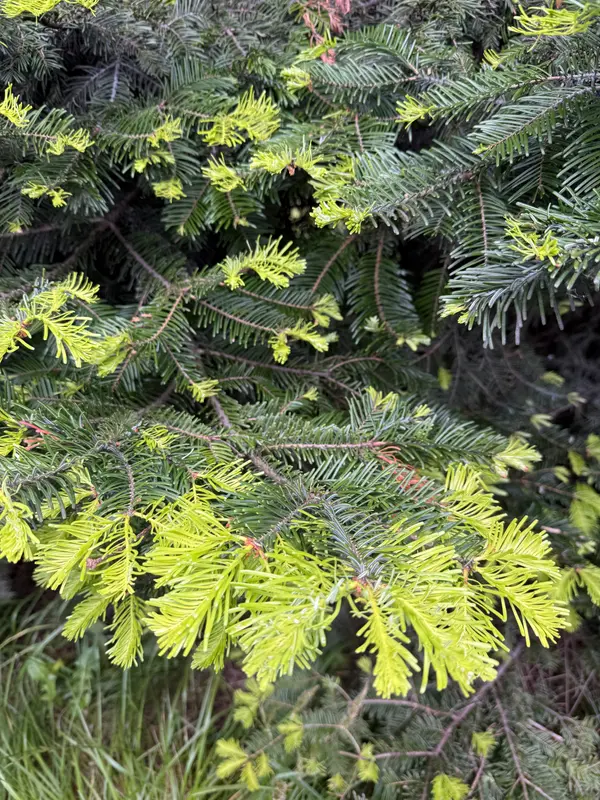
The internal architecture of conifer needles and awl leaves: thick cuticle, sunken stomata, compact mesophyll, and the water-conservation engineering that lets conifers photosynthesize through a Puget Sound winter.
Read more →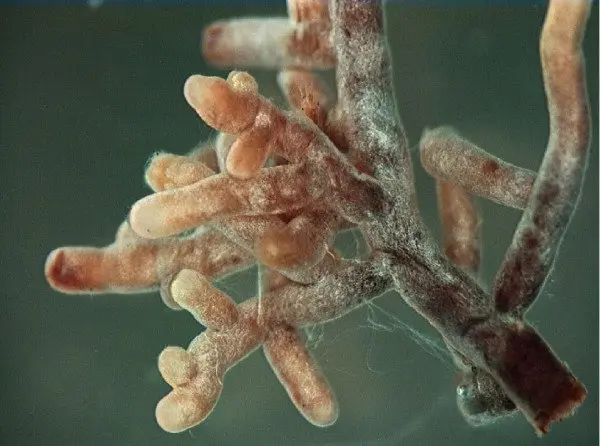
The underground fungal economy that determines how trees thrive: how mycorrhizal partnerships work, what common landscape practices destroy them, and why the most effective management strategy is a list of things to stop doing.
Read more →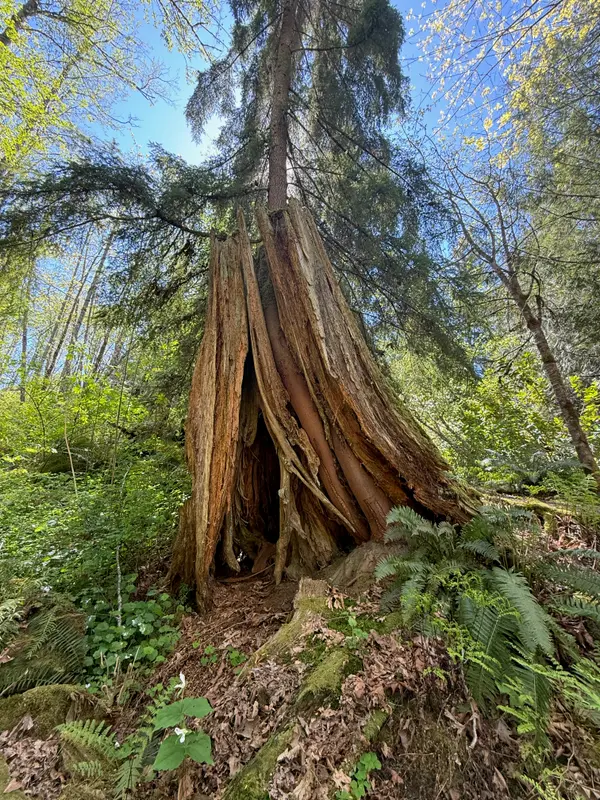
Nurse stumps and nurse logs are the primary way old-growth forests regenerate in the Pacific Northwest. Learn how decomposing wood grows new trees, what stilt roots and colonnades reveal about forest history, and how to bring the same ecology into your garden.
Read more →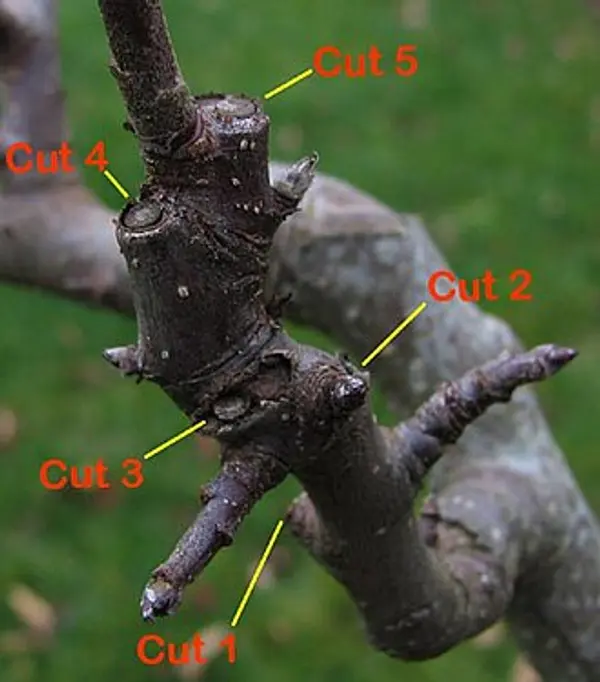
How to prune young trees for storm resistance, structural integrity, and decades of trouble-free growth in the Puget Sound region.
Read more →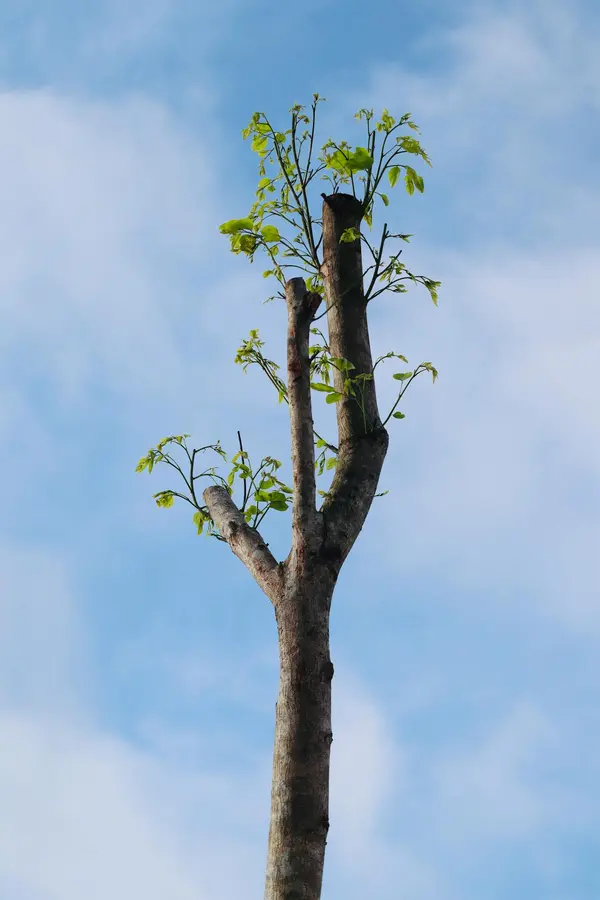
Walk through any Western Washington neighborhood in early spring, and you'll spot the evidence: trees that look like they've been given blunt haircuts,
Read more →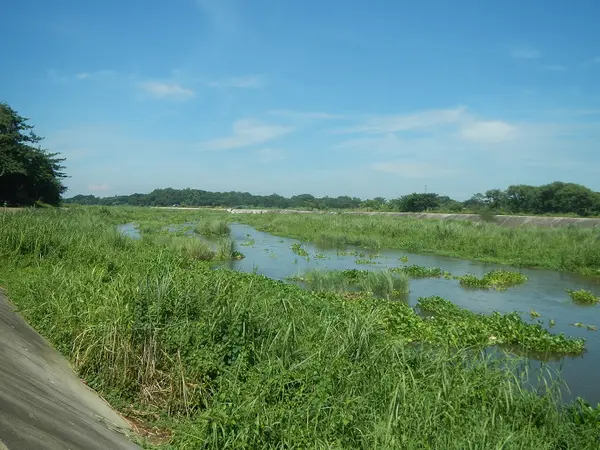
Two years ago, your contractor promised you the big Douglas-fir would be fine.The tree had shaded your house for forty years, and the remodel was necessary.
Read more →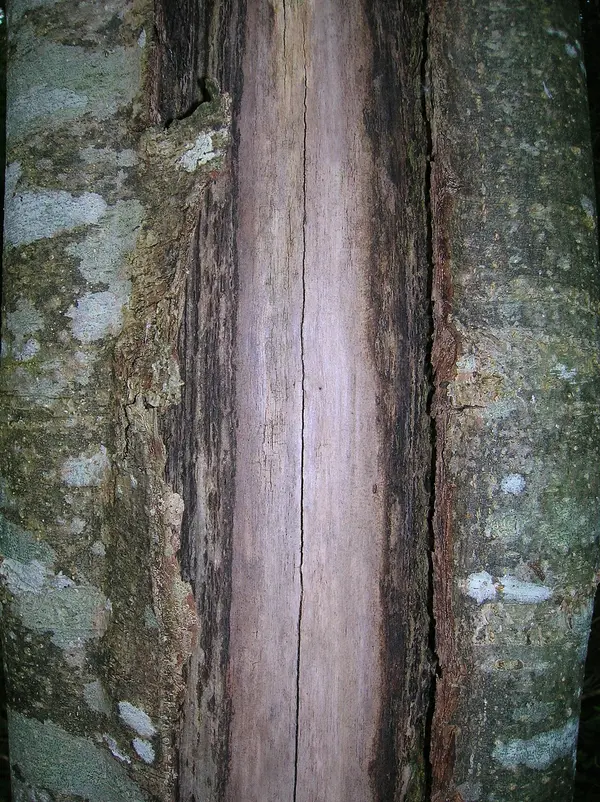
Frost cracks are radial bark separations in tree trunks caused by rapid temperature fluctuations. Learn how to prevent them and what to do if they occur.
Read more →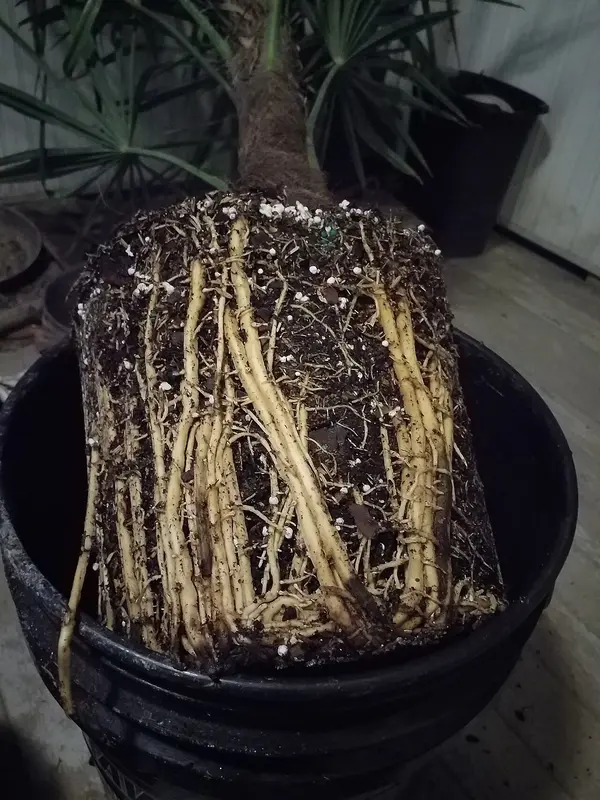
You walk into your local nursery in the Puget Sound region and find a 15-gallon Douglas-fir or Japanese maple.
Read more →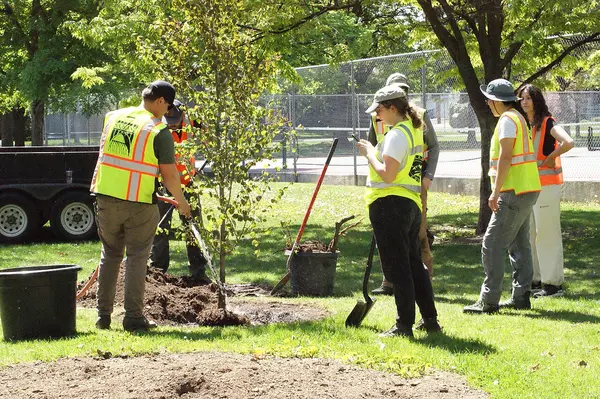
Selecting the right tree starts with understanding your site conditions: light, water, soil, exposure, and space. Match these to the tree's requirements.
Read more →
The six weeks after bloom are when next year's flowers are made. Here is why spring bulb foliage matters, what kills re-bloom, and how to design plantings so the ugly phase never bothers you.
Read more →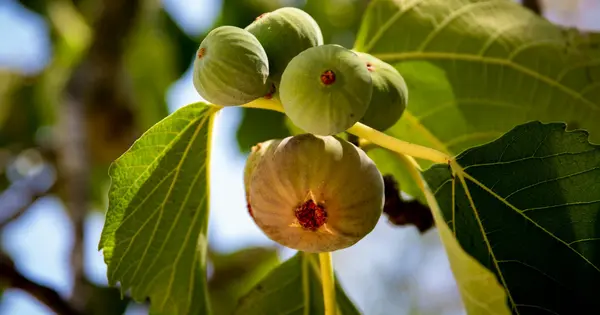
If you have been pruning your fig tree the way the internet tells you to and wondering why you get leaves but almost no fruit, the problem is not your tree.
Read more →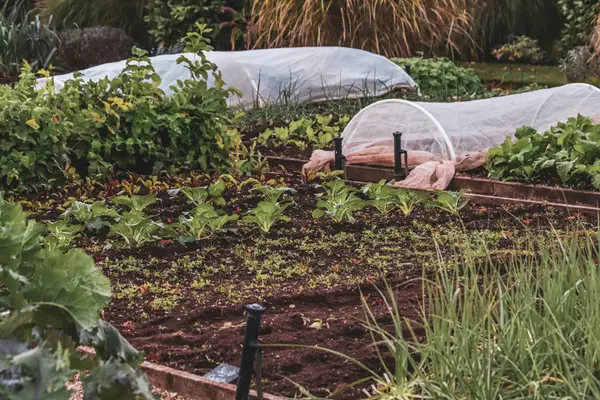
Soil temperature controls seed germination and transplant survival in spring. Know the minimum soil temperatures for your vegetables.
Read more →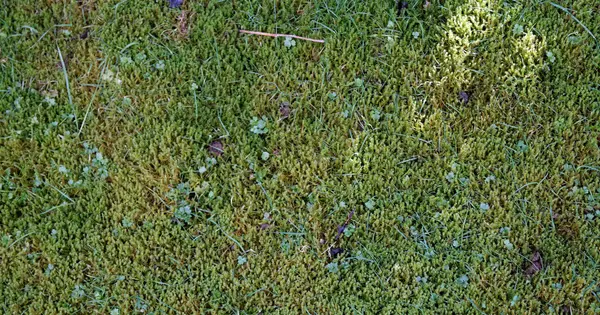
National spring lawn advice assumes winter dormancy. Puget Sound lawns skip that step. Here is what to do about moss, compaction, and clay soil damage instead.
Read more →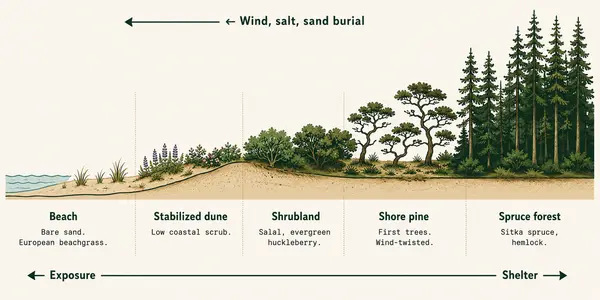
A coastal drive from the redwoods to Willapa Bay reveals how wind, salt, and fog shape plant communities, and why the invasive species you see on the Oregon coast are already in your Puget Sound neighborhood.
Read more →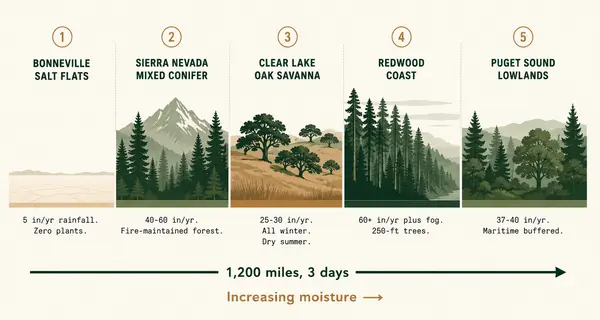
A 1,200-mile drive from the Bonneville Salt Flats to the redwood coast reveals how climate shapes plant communities, and how to read the same patterns in your Puget Sound garden.
Read more →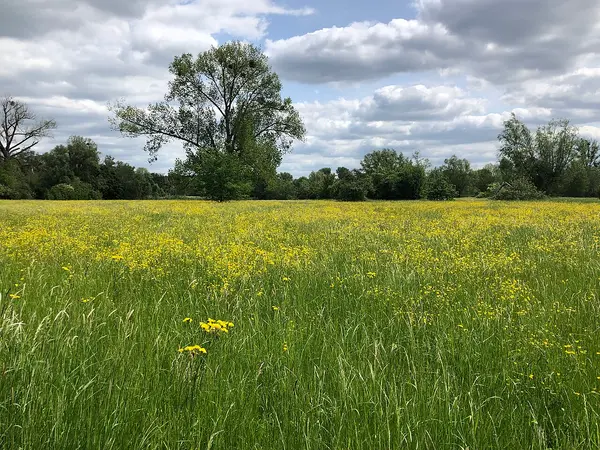
Growing degree days are the accumulated heat units that drive every biological event in your landscape. HortGuide uses base 32°F for maritime climates.
Read more →
You are reading a pest profile, a nursery tag, or a soil report and you hit it: *Otiorhynchus* sp.Or maybe *Otiorhynchus* spp. One *p* or two.
Read more →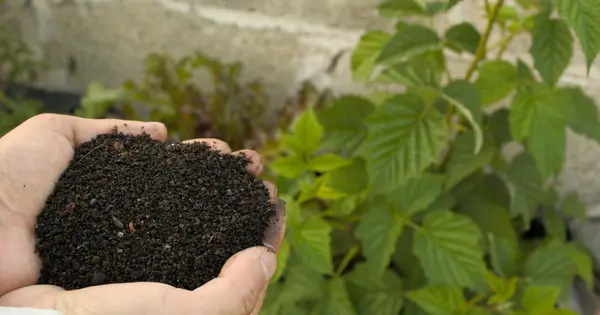
Your Puget Sound soil is already acidic, and most of the time that is exactly right. Learn when pH actually needs changing, which amendments work on which soil types, and how to stop chasing a number.
Read more →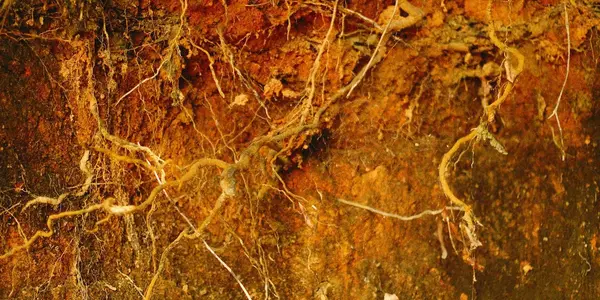
You dig a hole for a new shrub in April and the bottom fills with water.You wait two weeks, try again, and get the same result.
Read more →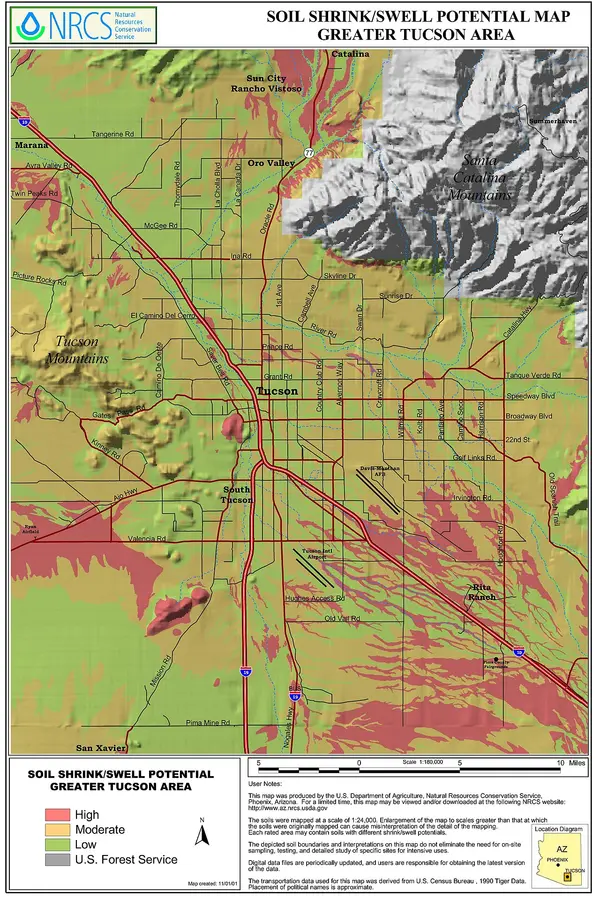
Soil compaction reduces root growth, drainage, and water availability. Learn how to identify compacted soils and improve them for tree health.
Read more →