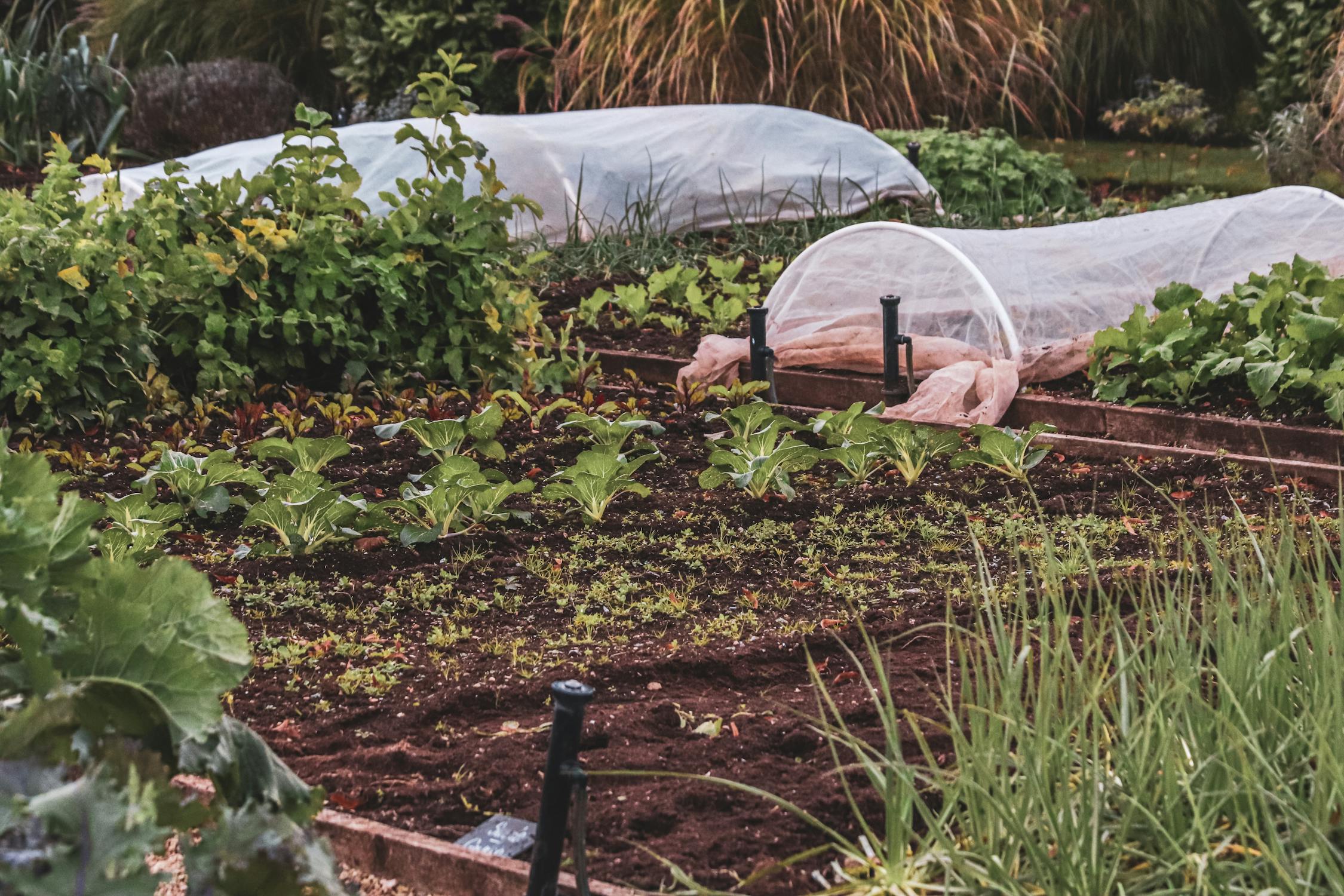
You planted your tomatoes on Memorial Day weekend because a gardening website told you to. Two weeks later they look exactly the same as the day they went in: stunted, slightly yellow, not growing. The soil was 55°F when you planted. The roots sat in cold, wet clay and did nothing.
That is the most common spring planting failure in the Puget Sound region, and it comes down to a single number most gardeners never check. Air temperature tells you what the weather is doing. Soil temperature tells you what your seeds and roots are actually experiencing. They are not the same number, and the gap between them costs more failed plantings than any pest or disease.
Why Soil Temperature Matters More Than the Calendar
The internet says “plant tomatoes after the last frost.” That advice assumes your soil warms at the same rate as the air above it. It does not. Soil typically lags air temperature by roughly two to three weeks in spring. A 65°F afternoon in late April can sit on top of 48°F soil. Your transplant feels the soil, not the sunshine.
Seeds are even more particular. A pea seed dropped into 40°F soil will germinate, slowly but reliably. A bean seed dropped into the same soil will rot before it sprouts. The difference is not opinion; it is the biology of germination. Every vegetable species has a minimum soil temperature below which germination fails, an optimum range where it happens quickly, and a maximum above which it shuts down. These thresholds do not change based on where you live. What changes is when your soil reaches them.
In this region, two factors slow spring soil warming compared to most of the country. The first is moisture. Puget Sound lowland soils hold winter rainfall well into April. Water has a high specific heat, which means wet soil absorbs a lot of energy before its temperature budges. The second is soil type. Clay soils, which dominate the valley floors from Kent through Puyallup and into the South Sound, can run several degrees cooler than sandy soils in spring. A sandy loam bed reading 50°F on a given morning may sit noticeably warmer than a clay bed next door. If you garden in native clay, expect to be one to two weeks behind gardeners working in amended raised beds.
How to Measure
You need a soil thermometer. They cost less than a packet of tomato seeds and last for years. The basic probe type works fine; digital models with long probes are slightly easier to read.
Where you measure matters. For direct-seeded crops (peas, lettuce, beans, carrots), push the probe one to two inches deep, where seeds actually sit. For transplants (tomatoes, peppers, squash), measure four to six inches down, where roots establish. These are different zones with different temperatures, and the distinction matters: surface soil warms days ahead of deeper soil.
Cornell Extension recommends measuring at 9 AM for seven consecutive days. Morning readings capture the soil’s baseline after overnight cooling, before afternoon sun skews the number. Seven days shows you a trend rather than a single-day spike. If your readings hold above the threshold for a full week, the soil is ready. If they bounce above and below, wait.
Cool-Season Crops: What You Can Plant Now
If your soil thermometer reads 40 to 50°F consistently, your first wave of crops is ready. These are the species that evolved to germinate in cool conditions and tolerate light frost without damage.
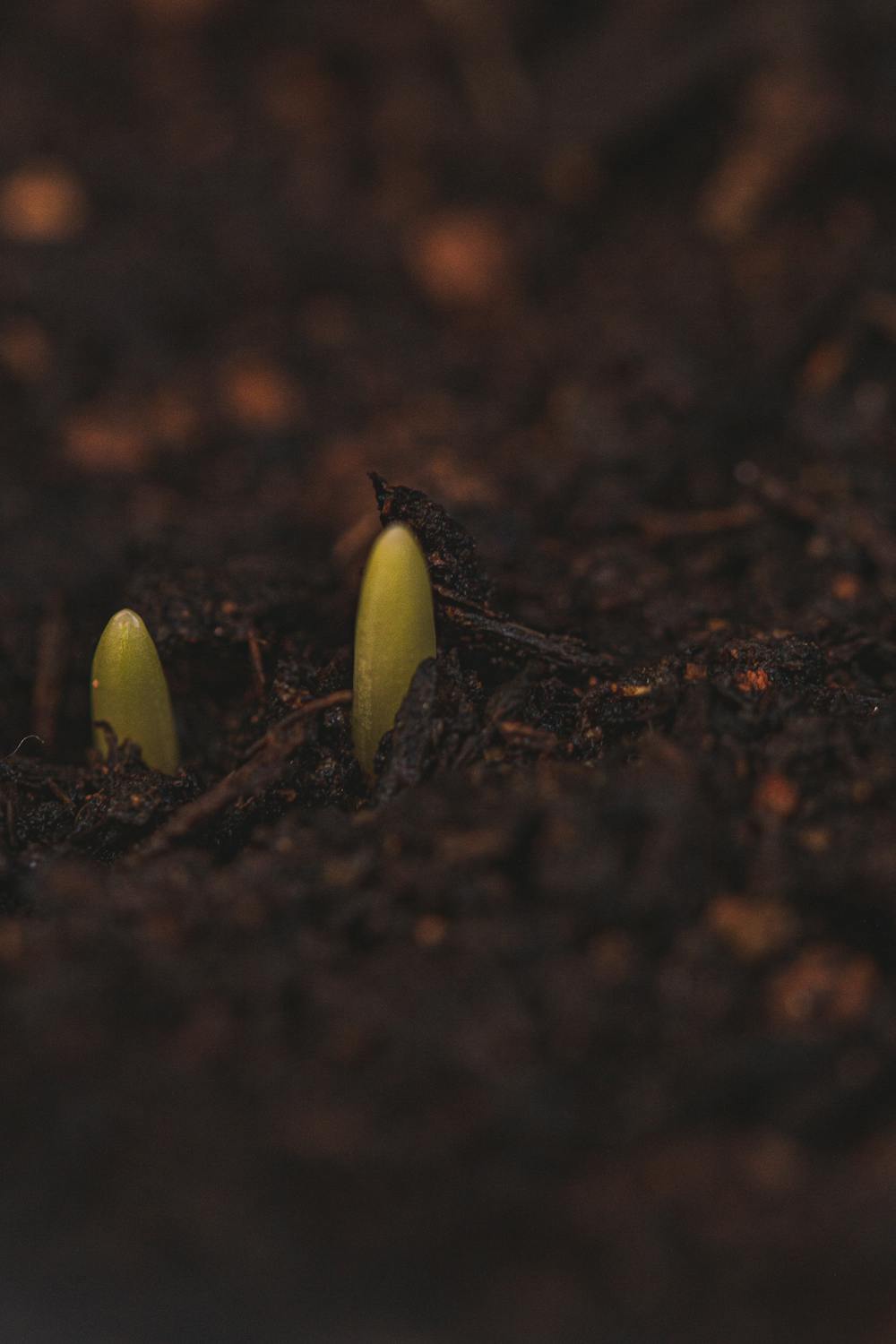 Photo by Lucas Pezeta / Pexels
At 40°F and above, direct seed peas, spinach, lettuce, arugula, and radishes. These are the hardiest vegetables you can grow. Pea seeds germinate at 40°F and handle frost on emerging seedlings without blinking. Lettuce germinates as low as 35°F. Spinach is nearly as tough. All of them prefer cool weather and will bolt (go to seed prematurely) once summer heat arrives, so early planting is not just possible, it is the strategy. Get them in the ground in March or early April, and you harvest before the heat shuts them down.
Succession plant lettuce and radishes every two to three weeks through spring for continuous harvest rather than one overwhelming flush. A radish goes from seed to plate in 25 to 30 days. Plant a short row every other weekend from March through May and you never run out.
At 50°F and above, add carrots, beets, broccoli, cabbage, cauliflower, kale, and onion sets. These crops germinate in cooler soil but establish faster once temperatures climb into the 50s. Carrots deserve a note: they are slow germinators regardless of temperature (12 to 24 days even in ideal conditions) and need loose, well-draining soil. Heavy clay without amendment will produce forked, stunted roots. If your native soil is dense, grow carrots in raised beds or containers.
Broccoli and cabbage transplants are a smart shortcut for this group. You can direct seed them, but transplants establish faster and let you harvest weeks earlier. Start them indoors under lights six weeks before your intended transplant date, or buy starts from a local nursery in March.
Warm-Season Crops: When to Wait
This is where most of the failures happen. Warm-season crops are tropical or subtropical plants adapted to hot soils. They do not just slow down in cold ground; their roots stop functioning, diseases move in, and the plant sits there losing ground instead of gaining it.
Beans and sweet corn need soil at 60°F minimum. Sweet corn can technically germinate at 50°F, but at that temperature it takes three weeks or more and seeds are likely to rot in wet soil before they sprout. Beans need warmer soil than corn; their germination floor is closer to 60°F. Wait until late May when your soil reliably holds above 60°F. Direct seed beans; they do not transplant well. Corn benefits from succession planting every two weeks through June for an extended harvest.
Cucumbers and squash need 65 to 70°F. In most years, that means late May to early June for direct seeding. Row covers can push the window a week or two earlier by trapping daytime heat against the soil surface: a lightweight cover (0.5 oz per square yard) adds about 2°F, while a heavyweight cover (1.5 to 2 oz) adds 6 to 10°F. If you use covers, check underneath on warm afternoons because temperatures can spike 15°F above ambient and cook young seedlings.
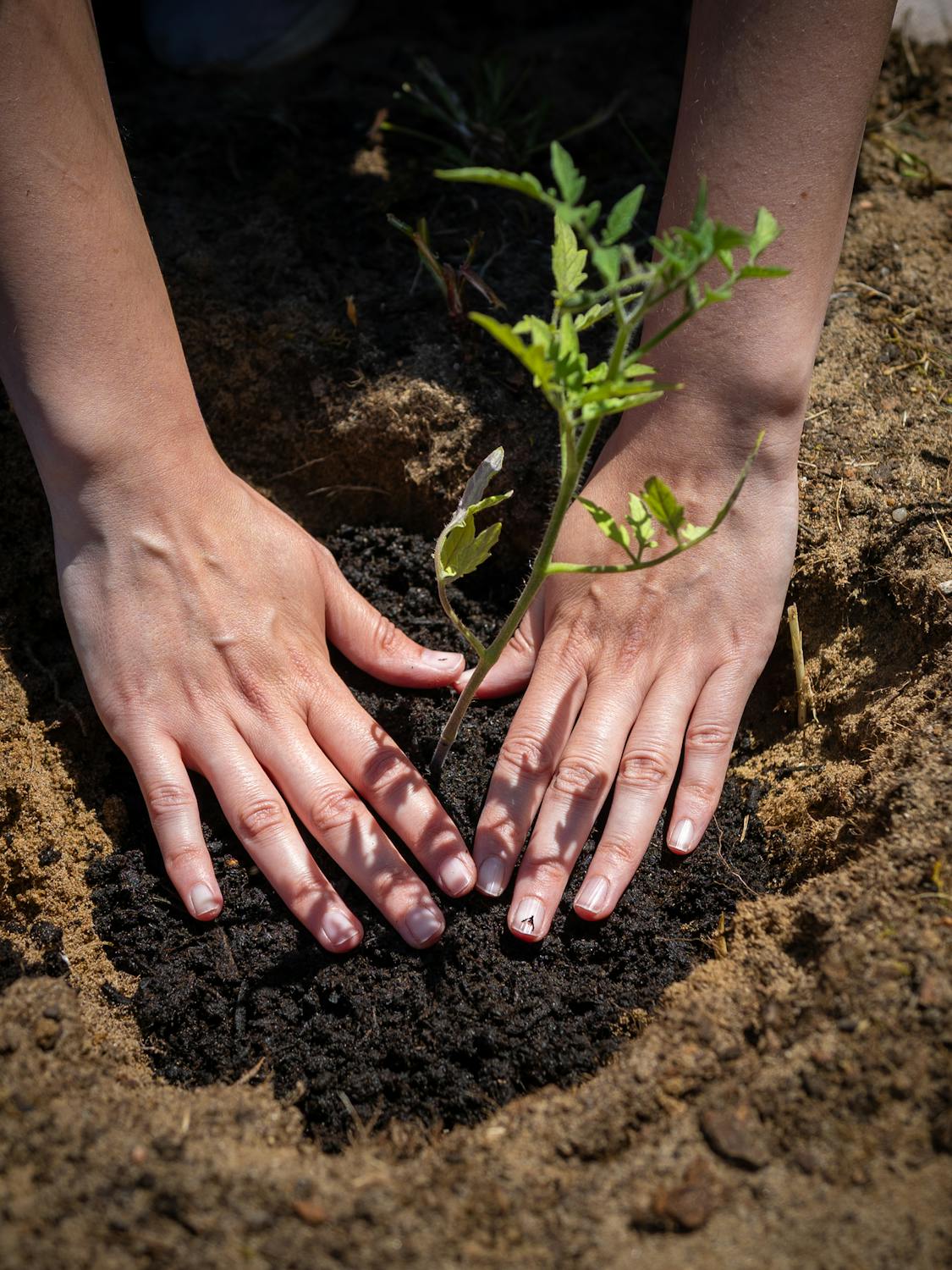 Photo by Marta Nogueira / Pexels
Tomatoes, peppers, and eggplant need the warmest soil of all. Tomatoes survive at 60°F but do not actually grow until soil reaches 65 to 70°F. The optimum range for germination is 70 to 95°F. At 50°F, a tomato seed takes over 40 days to germinate. At 70°F, it takes less than a week. That difference tells you everything about why early planting fails.
Peppers are even more demanding. They need 80 to 90°F air temperatures for best growth, which makes them the most challenging warm-season crop in this climate. In most years, June is the earliest realistic transplant date for tomatoes and peppers in the Puget Sound region. Eggplant is marginal here in all but the warmest summers.
The practical rule: do not plant warm-season transplants until your soil thermometer reads 60°F or above at four to six inches deep for seven consecutive mornings. For tomatoes and peppers specifically, 65°F is a better target.
Short-Season Varieties That Work Here
The growing season between warm soil arrival and first fall frost is tight in this region. Choosing varieties bred for short seasons is not a luxury; it is the difference between ripe tomatoes and green ones still hanging when October rain arrives.
Oregon State University’s vegetable breeding program has produced six tomato cultivars specifically adapted for the Pacific Northwest’s cool springs. All are determinate types, meaning they reach a fixed size and set fruit in a concentrated period rather than continuing to grow and fruit until frost. Determinate plants bloom earlier and ripen faster, which is exactly what you need when your growing window is compressed.
Gold Nugget is the earliest at 60 days from transplant, a yellow cherry tomato that starts producing before anything else in the garden. Legend matures in 60 to 65 days and carries resistance to some forms of late blight, a meaningful trait in our damp autumns. Oregon Spring (60 to 70 days) is the reliable all-purpose slicer. Santiam, Oroma, and Siletz round out the lineup at 65 to 75 days with options for fresh eating and paste.
One practical note from OSU: add 10 to 14 days to the days-to-maturity figure on the seed packet if you garden in a cooler microclimate (north-facing slope, heavy shade, cold air drainage, or proximity to Puget Sound water).
For peppers, choose varieties under 75 days to maturity. Shishito (60 days) and Lipstick (60 to 65 days) are among the earliest sweet peppers and both produce well in our conditions. Carmen, a red Italian frying pepper at about 70 days, ripens more easily than standard bell types because its elongated shape exposes more surface to the sun. For hot peppers, Early Jalapeno (65 days) and Padron (60 days) are proven performers.
Transplants, Direct Seed, and Hardening Off
Every warm-season crop you grow here should start as a transplant, either purchased or started indoors. Direct seeding tomatoes, peppers, and eggplant outdoors is not viable in this climate because the soil does not reach germination temperatures early enough for the plant to mature before fall.
Start tomato and pepper seeds indoors six weeks before your planned transplant date. If you are targeting a June 1 transplant, that means starting seeds around April 15 to 20. Cucumber and squash seeds need only three weeks of indoor time before transplanting.
The transition from indoors to outdoors requires hardening off. WSU Extension recommends a four- to seven-day acclimation process with four steps, each taking one to two days. First, reduce watering to one light application per day. Second, move plants to a covered outdoor area during the day but bring them in at night. Third, leave them outside day and night with a cover. Fourth, remove the cover permanently. Then transplant, ideally in the late afternoon or on an overcast day to reduce shock. Water immediately and apply a dilute starter fertilizer around each transplant.
Direct seeding is the right choice for the crops that prefer it. Peas, beans, corn, carrots, radishes, and spinach all do better sown directly into garden soil than transplanted. For these crops, your only gating criterion is soil temperature. Direct seeding is also significantly cheaper: a single packet of pea seeds produces dozens of plants for what one transplant costs at the nursery.
Soil Type, Drainage, and Raised Beds
If you garden in native clay soil, you are dealing with two compounding problems in spring: cold soil and wet soil. Clay holds moisture, and moisture holds cold. The soil stays waterlogged weeks after the last heavy rain, and every drop of water that sits in the soil absorbs heat energy that would otherwise warm the root zone.
Raised beds solve both problems at once. Elevated soil drains faster, which means it dries faster, which means it warms faster. A raised bed filled with a loam and compost mix can be workable and plantable two to three weeks ahead of adjacent ground-level clay. WSU Extension specifically recommends raised beds for areas with heavy rainfall and poorly drained soil, which describes most residential sites in the Puget Sound lowlands.
You do not need elaborate structures. A simple 3- to 4-foot-wide frame built up 8 to 12 inches with amended soil gives you dramatically better drainage and soil temperature. The width matters: you need to reach the center from either side without stepping on the bed and re-compacting the soil you just improved.
Row covers add another tool. Even a lightweight spun-bonded fabric (brands like Agribon or Reemay, about half an ounce per square yard) traps enough heat to raise soil temperature a few degrees and protect transplants from a late frost event. Heavyweight covers push that advantage to 6 to 10°F but block more light, so they work best as a short-term boost rather than a permanent installation. Cool-season transplants like broccoli, cabbage, and kale tolerate light frost (down to about 28°F) without covers. Warm-season transplants cannot tolerate any frost at all; covers buy you insurance, but they are not a substitute for waiting until the soil is ready.
Quick Reference: What to Plant and When
| Soil Temp | What to Plant | Method | Notes |
|---|---|---|---|
| 40-45°F | Peas, spinach, lettuce, arugula, radish | Direct seed | Earliest wave; frost-tolerant |
| 45-50°F | Kale, onion sets, parsley, parsnips | Direct seed or transplant | Still cool-season; no rush |
| 50-55°F | Carrots, beets, broccoli, cabbage, cauliflower, chard | Direct seed or transplant | Transplants faster for brassicas |
| 60°F+ | Beans, sweet corn | Direct seed | Wait for sustained warmth; no rush |
| 65-70°F+ | Cucumbers, squash, zucchini | Direct seed or transplant | Row covers help |
| 65-70°F+ | Tomatoes, peppers | Transplant only | OSU short-season varieties preferred |
| 70°F+ | Eggplant, melons, basil | Transplant only | Marginal here; warmest site possible |
Using the Weather Network to Time Your Planting
You do not have to guess when your soil is ready. The hortguide.com weather dashboard tracks daily conditions at seven stations spanning the Puget Sound lowlands: Kent, Seattle, Tacoma, Olympia, Bellingham, Sequim, and Issaquah. Each station collects temperature data from the same Open-Meteo grid, and the site compiles that into a side-by-side comparison so you can see exactly where your closest station stands.
The stations reveal how much planting timing varies across the region. Seattle’s urban heat island pushes soil temperatures a few degrees ahead of surrounding areas. Olympia, sitting in the Deschutes valley, pools cold air on clear nights and runs behind. Bellingham, nearly 1.5 degrees of latitude farther north, typically reaches warm-season thresholds two to three weeks after Kent. Sequim, in the Olympic rain shadow, gets more sunshine but cold clear nights slow its accumulation. These differences are not trivial. A gardener in Seattle may be transplanting tomatoes while a gardener in Bellingham is still waiting for bean soil.
The practical move is to identify which station is closest to your garden and check its data before you plant. If you are in the Green River valley (Kent, Auburn, Renton), use the Kent station. If you are on the Eastside foothills (Issaquah, Sammamish, Snoqualmie), use Issaquah. The Field Brief newsletter delivers a weekly seven-station comparison table during the growing season, sorted by growing degree days, so you can watch the planting windows open in real time from south to north.
Where Things Stand Right Now
As of late March 2026, the Kent reference station shows soil temperature at six centimeters depth (roughly 2.4 inches) holding in the 47 to 48°F range. That is a useful regional proxy for tracking warming trends, but it reads shallower than the four- to six-inch depth you would measure for transplant timing in your own beds. That puts us squarely in cool-season planting territory. Peas, spinach, lettuce, and radishes are green-lighted. Carrots and beets are on the edge, likely ready by mid-April if the warming trend holds.
Warm-season crops are weeks away. Do not let a sunny April afternoon tempt you into planting tomatoes early. Watch the soil thermometer, not the sky. When it reads 65°F at four inches deep for a solid week, usually sometime in late May or early June, that is your signal.
Sources
- WSU Extension EM057E, “Home Vegetable Gardening in Washington” (Carol Miles, Ph.D.; Kumar et al. 2009). Tables 4 and 5: germination temperatures and planting calendar for Washington.
- Alabama Cooperative Extension System ANR-1061, “Soil Temperature Conditions for Vegetable Seed Germination” (Auburn University). Definitive germination temperature reference for 27 vegetables.
- OSU Extension Service EM 9476 and EM 9688 (April and May landscape calendars). Soil temperature thresholds for warm-season crops.
- UC Davis, J.F. Harrington, Department of Vegetable Crops. Foundational germination speed research (1954).
- Cornell Cooperative Extension. Soil temperature measurement protocol.
- Iowa State University Extension. Soil vs. air temperature lag (2-3 weeks).
- UNH Extension, “Using Row Covers in the Garden” (2020). Frost protection by row cover weight.
- MSU Extension, “Row Covers for Frost Protection and Earliness in Vegetable Production”.
- OSU Extension, “Eight OSU-developed Tomatoes to Try”. Short-season variety data.
- Portland Edible Gardens, “Top 10 Pepper Varieties to Grow in Pacific Northwest Gardens”.
- KSU Agronomy, “Spring Planting Update: Soil Temperature and Moisture” (Kansas State University). Soil texture and moisture effects on spring soil warming.
- Kent, WA weather station data (hortguide.com), March 2026.
Always read and follow the pesticide label. The label is the law. Product registrations and approved uses vary by state.