Plant Health Care
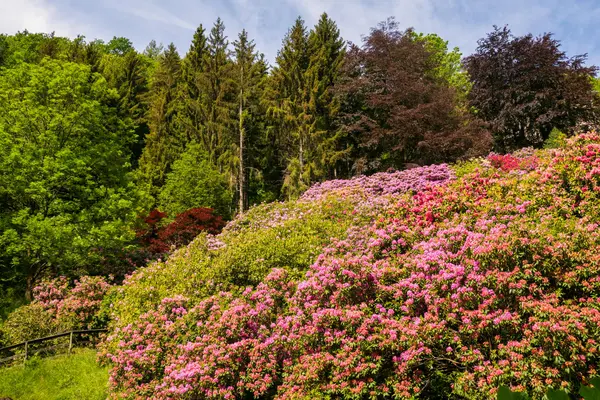
Rhododendron Post-Bloom Care
The two weeks after bloom are the most important weeks of the rhododendron year. How to read three diagnostic signals and act before the window closes.
Read more →Preventive care, spray timing, fertilization, and integrated approaches to keeping plants healthy.
The two weeks after bloom are the most important weeks of the rhododendron year. How to read three diagnostic signals and act before the window closes.
Read more →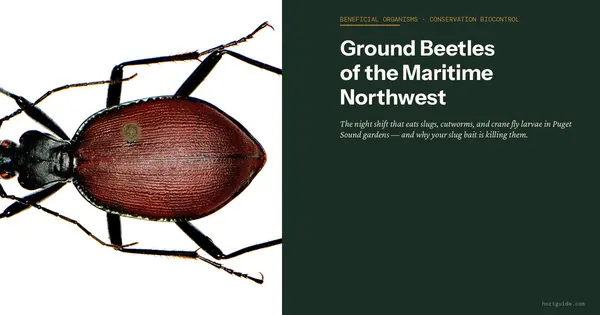
Ground beetles (family Carabidae) are the largest predator group working your soil surface in the Puget Sound lowlands. They eat slugs and slug eggs, cutworms, crane fly larvae, and root maggots, and they do it year-round.
Read more →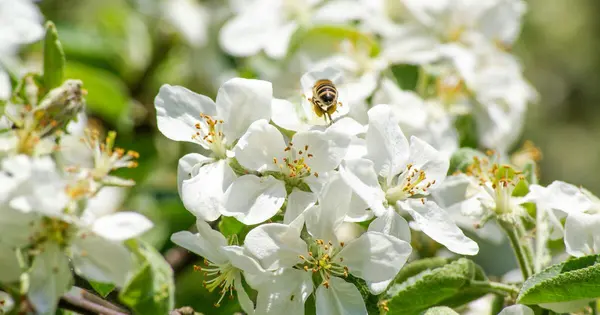
Most people think supporting pollinators means keeping honeybees.It is an understandable assumption: honeybees are the pollinators with the public relations department.
Read more →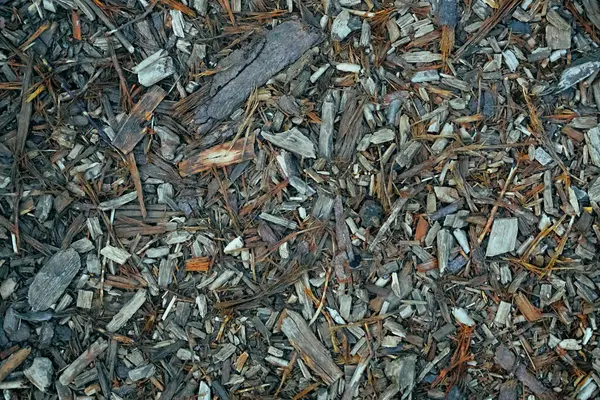
Wood chips don't deplete soil nitrogen. Learn how to use them effectively as mulch without harming tree health or plant growth.
Read more →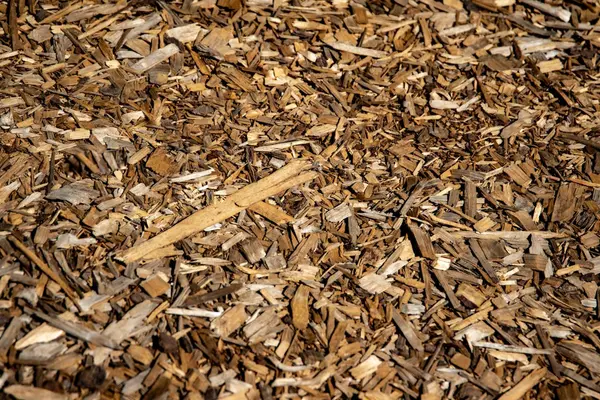
You've probably seen a mulch volcano and helped create one. Here's what that pile is doing to your tree, and how to mulch correctly for the soil under your feet.
Read more →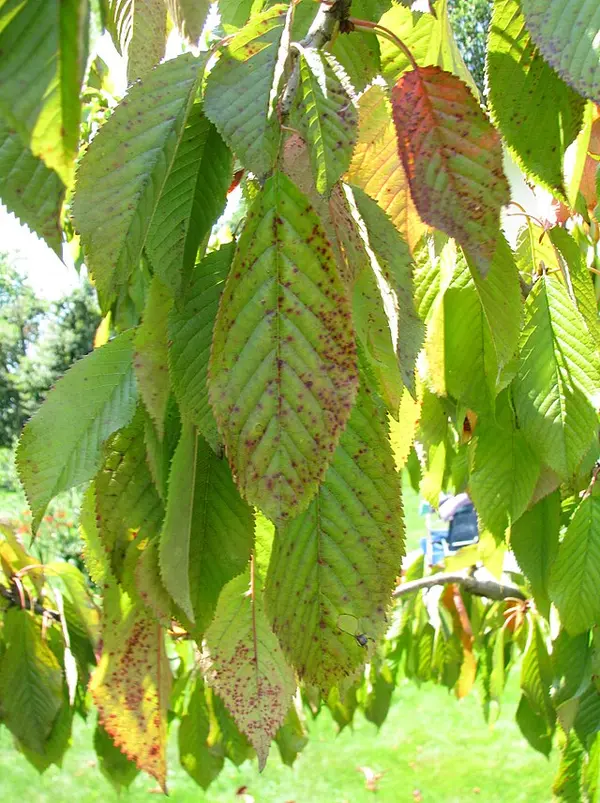
Copper fungicide is a preventive tool for managing bacterial canker on cherries, pears, and other stone fruits. Timing and application technique determine effectiveness.
Read more →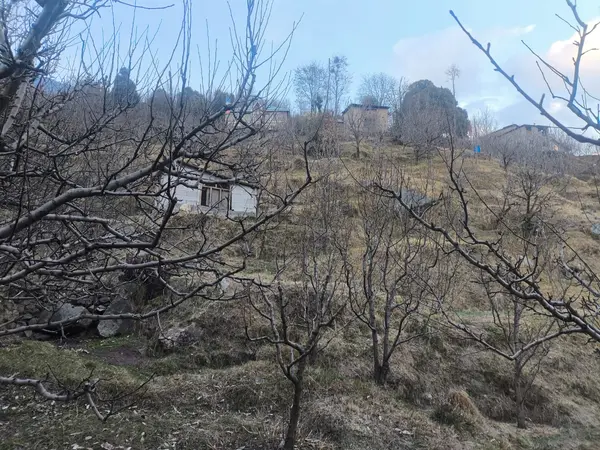
The most effective pest and disease treatments happen when your trees look dead. Here is what to spray, when to spray it, and why the timing window matters.
Read more →